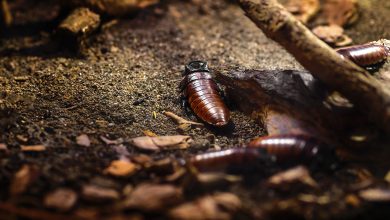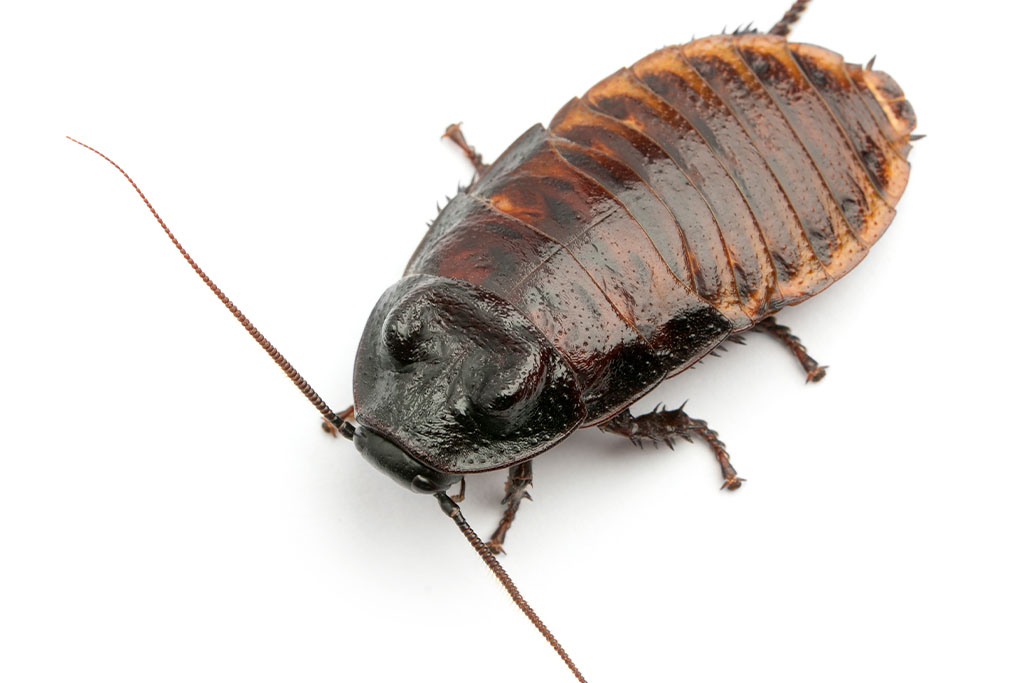
Madagascan hissing cockroaches (Gromphadorhina portentosa) are fascinating creatures that make for popular pets and educational displays. Their unique behaviours, coupled with their relatively simple care requirements, make them an excellent choice for both beginner and experienced keepers. However, maintaining a healthy terrarium environment is crucial for their well-being. One of the key aspects of terrarium care is cleaning, which raises the question: how often should you clean your Madagascan hissing cockroach terrarium? This article will explore the cleaning frequency, methods, and best practices for keeping your cockroach habitat clean and healthy.
Understanding the Madagascan Hissing Cockroach
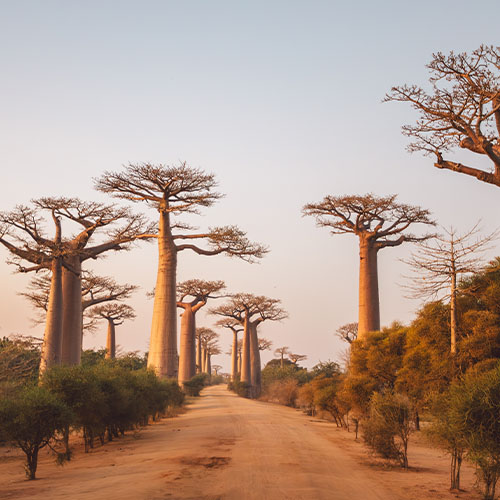
Before diving into cleaning schedules, it’s important to understand the natural habitat and behaviour of Madagascan hissing cockroaches. Native to Madagascar, these cockroaches thrive in humid, decaying leaf litter and forest floors. They are nocturnal, social insects that communicate through hissing sounds produced by forcing air through tiny openings in their abdomen. In captivity, they require a terrarium that mimics their natural environment, including appropriate humidity, temperature, and substrate.
Importance of Cleaning
Cleaning your Madagascan hissing cockroach terrarium is essential for several reasons:
- Hygiene: Over time, waste products from the cockroaches can accumulate, leading to unpleasant odours and unsanitary conditions. Regular cleaning helps prevent the build-up of bacteria and fungi that can harm the cockroaches’ health.
- Pest Control: A clean terrarium reduces the likelihood of attracting unwanted pests, such as mites or flies, which can negatively impact the cockroaches and their environment.
- Preventing Disease: Regular maintenance can help prevent diseases caused by waste accumulation, which can affect not only the cockroaches but also any other creatures sharing the habitat.
- Maintaining a Natural Environment: A clean terrarium mimics the cockroaches’ natural habitat, ensuring they remain healthy and active.
Cleaning Frequency
The cleaning frequency of a Madagascan hissing cockroach terrarium can depend on several factors, including the size of the enclosure, the number of cockroaches, and the substrate used. Here’s a general guideline:
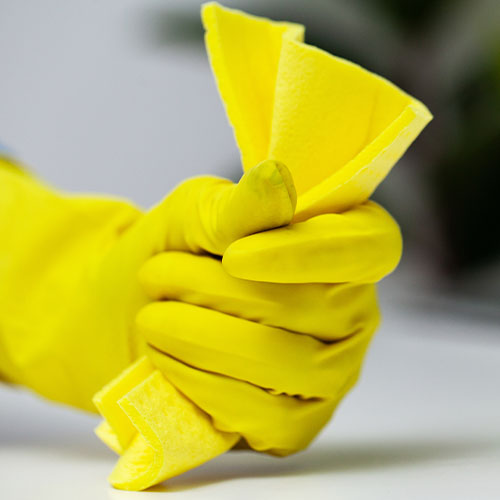
Spot Cleaning (Daily): It’s advisable to perform daily spot cleaning to remove any visible waste or uneaten food. This helps maintain hygiene and prevents odours from developing. Simply use a small scoop or spatula to collect waste and discard it. This task should take only a few minutes and can significantly improve the overall environment.
Partial Cleaning (Weekly): Once a week, you should conduct a more thorough cleaning. This involves removing any uneaten food, replacing or refreshing the substrate, and cleaning decorations or hiding spots. A typical partial cleaning schedule might look like this:
Remove and dispose of any uneaten food.
Replace about 25-50% of the substrate, depending on how soiled it is.
Wipe down surfaces and decorations with a damp cloth or sponge. Avoid using chemicals, as these can be harmful to the cockroaches.
Ensure all hiding places are clean and dry, promoting a healthy environment.
Deep Cleaning (Monthly): A full deep clean should be performed every month. This includes all the tasks outlined in the weekly cleaning but with additional steps:
Remove all cockroaches and place them in a temporary holding container (with some of their original substrate to minimise stress).
Take out all substrate and clean the terrarium with hot water. You may choose to use a small amount of vinegar to disinfect surfaces, but ensure it is thoroughly rinsed away before returning the cockroaches.
Inspect the terrarium for any damage or signs of pests. If you notice any issues, address them immediately.
Replace all substrate and rearrange decorations, ensuring the habitat remains interesting for the cockroaches.
Best Practices for Cleaning
- Choose the Right Substrate: Using a suitable substrate can minimise the amount of waste and odours produced. Coconut fibre, peat moss, or leaf litter can be good options, as they absorb moisture and provide a more natural environment.
- Avoid Chemicals: Never use chemical cleaners in the terrarium, as these can be harmful to your cockroaches. Stick to warm water and natural disinfectants like vinegar or baking soda if needed.
- Maintain Humidity: During the cleaning process, be mindful of the terrarium’s humidity levels. After cleaning, check the moisture of the substrate and mist the enclosure if necessary to maintain optimal humidity levels (between 60-80%).
- Provide Hiding Spaces: Cockroaches need hiding spots to feel secure. When cleaning, ensure that you replace these items to provide a safe environment for your cockroaches.
- Monitor Health: Keep an eye on your cockroaches’ behaviour and appearance during and after cleaning. If you notice any signs of stress, such as lethargy or lack of appetite, consider adjusting your cleaning routine or consulting an expert.
Signs That Cleaning is Needed
While following a regular cleaning schedule is important, it’s also essential to be observant of your terrarium’s condition. Here are some signs that indicate a need for cleaning:
Odours: A strong smell emanating from the terrarium usually signals the presence of waste that needs to be cleaned.
Visible Waste: If you notice a significant build-up of droppings or uneaten food, it’s time for a thorough clean.
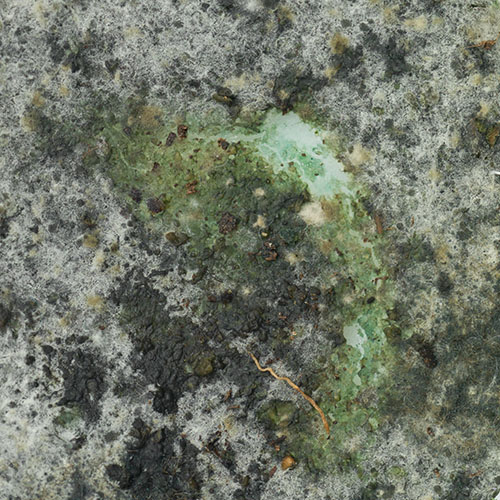
Mould or Fungi Growth: The presence of mould or fungi can indicate excess moisture or decaying food, necessitating immediate cleaning to protect the cockroaches.
Pest Sightings: The appearance of mites, flies, or other pests in the terrarium suggests that cleaning is overdue.
Additional Tips for Terrarium Maintenance
- Keep a Schedule: Maintaining a cleaning schedule can help ensure that cleaning tasks do not become overwhelming. You might consider using a calendar or a reminder app to prompt you for daily, weekly, and monthly cleaning tasks.
- Educate Yourself: Understanding the specific needs of Madagascan hissing cockroaches will help you create the best environment for them. Books, online resources, and forums can provide valuable insights into their care.
- Monitor Temperature and Humidity: Regularly check the temperature and humidity levels in the terrarium to ensure they remain within the ideal range. This monitoring should be part of your routine cleaning schedule, as changes can indicate a need for deeper cleaning or substrate replacement.
- Observe Behaviour: Take time to observe your cockroaches after cleaning. Healthy, active cockroaches are a sign of a well-maintained habitat.
Cleaning your Madagascan hissing cockroach terrarium is a vital part of their care that directly impacts their health and well-being. By implementing a regular cleaning schedule that includes daily spot cleaning, weekly partial cleanings, and monthly deep cleans, you can ensure a hygienic and enriching environment for your cockroaches. Remember to be observant of your terrarium’s condition, use natural cleaning methods, and maintain optimal humidity levels. With proper care, your Madagascan hissing cockroaches can thrive, providing you with endless fascination and joy as you watch their unique behaviours unfold.
References
“Madagascan Hissing Cockroach.” (2023). National Geographic. nationalgeographic.com
McKinney, M. (2021). The Essential Guide to Cockroach Care. Reptile Magazine.
Tavares, J. A. (2020). Keeping Cockroaches: A Comprehensive Guide to Caring for Your Pet Cockroaches. Pet Care Publishers.
“Hissing Cockroach Care Sheet.” (2019). The Invertebrate Store. invertebratestore.com
Jones, S. (2022). Cockroaches: Habitats, Care, and Keeping Them as Pets. Animal Care Journal.