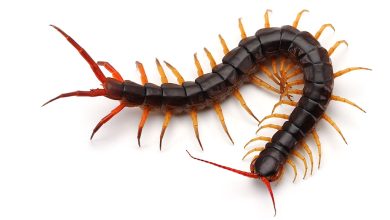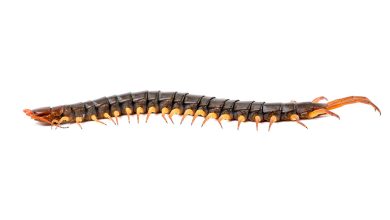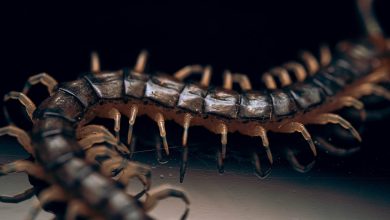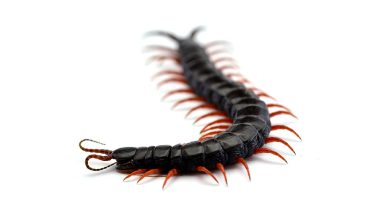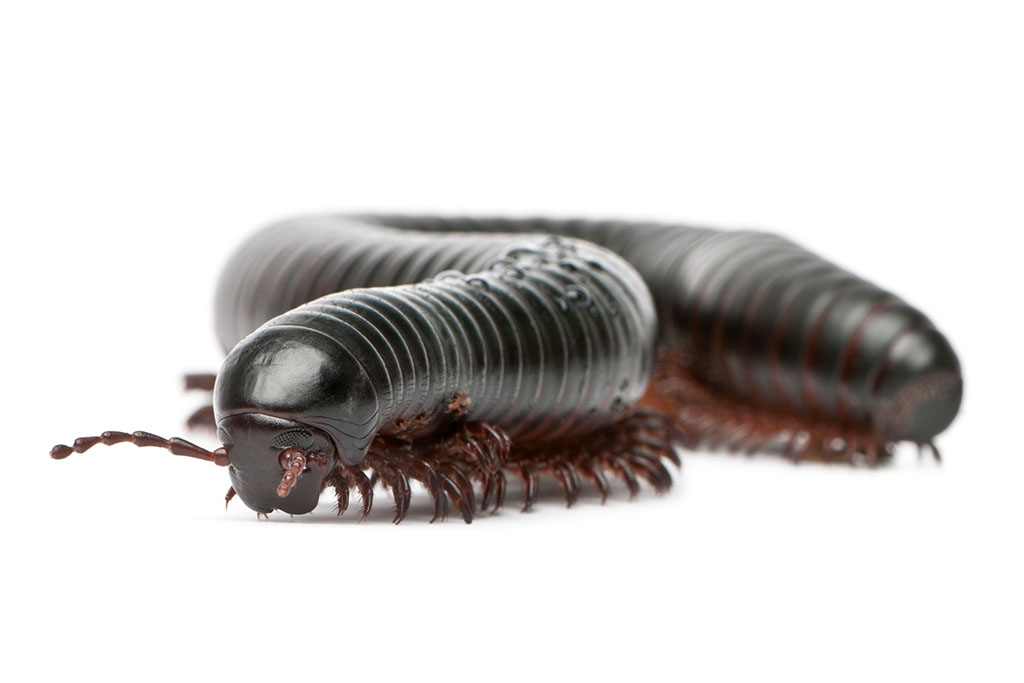
The Giant African Millipede (Archispirostreptus gigas) is a popular choice among exotic pet enthusiasts. These docile and fascinating creatures are known for their impressive size and low-maintenance care requirements. Below are answers to some of the most frequently asked questions about these invertebrates.
What is the Giant African Millipede?
The Giant African Millipede is one of the largest millipede species, measuring up to 38 cm (15 inches) in length. Native to tropical and subtropical forests in Africa, they have a segmented body with a hard exoskeleton and numerous legs—typically around 400. These millipedes are detritivores, feeding mainly on decaying plant matter.
What are their habitat requirements?
Giant African Millipedes thrive in a warm, humid environment. A terrarium of at least 10 gallons is suitable for a pair. The enclosure should have a secure lid and a substrate of peat moss or coconut fibre, with at least 10–15 cm (4–6 inches) depth for burrowing.
Humidity levels should remain between 75–80%, achieved through regular misting and maintaining a damp substrate. Temperature should range from 22–27°C (72–80°F), which can be maintained with a heat mat if necessary. Adding decor like bark, moss, and leaf litter provides hiding spots and enrichment.

What do they eat?
These millipedes feed on decaying plant material and soft fruits and vegetables. Suitable options include cucumbers, lettuce, apples, bananas, and melons. Food should be free of pesticides and chemicals. Calcium dust can occasionally be added to their food to support their exoskeleton health.
Provide fresh, dechlorinated water in a shallow dish with a stone for climbing out to prevent drowning. Clean uneaten food daily to prevent mould growth.
Can Giant African Millipedes be handled?
Yes, these millipedes are known for their gentle temperament and can be handled with care. To pick one up, gently scoop it with both hands, ensuring you support its full length. They may release a defensive secretion when stressed, which can irritate sensitive skin, so washing hands after handling is recommended.
Do they require social interaction?
Giant African Millipedes are generally solitary but can be kept in groups as long as their enclosure is spacious enough. Multiple millipedes may coexist peacefully, although breeding is likely if both sexes are present.
How long do they live?
In captivity, these millipedes can live 5–7 years if provided with proper care, including optimal diet, humidity, and temperature.
Are they harmful to humans?
No, Giant African Millipedes do not bite or sting. However, they secrete a defensive liquid from pores along their body when threatened. This secretion contains mild toxins and can irritate the skin or eyes, so it’s essential to wash hands thoroughly after contact.
What are common health issues?
Giant African Millipedes are relatively hardy but can face health issues if environmental conditions are not ideal. Common problems include:
Moulting Issues: Difficulty shedding occurs in dry conditions or when the substrate is unsuitable. Millipedes require a moist environment to moult successfully.
Dehydration: Indicated by shriveled appearance and lack of activity, it can result from inadequate humidity.
Mites: Tiny white mites may appear on the millipede’s body but are usually harmless and can be managed with proper hygiene.

Are Giant African Millipedes legal to own?
Ownership laws vary by location. In many countries, they are legal to keep as pets, but wild-caught specimens are often restricted to protect local ecosystems. In the UK it if perfectly legal to own them but always check where they have been sourced before acquiring one.
Do they need lighting?
No special lighting is necessary for Giant African Millipedes. As nocturnal creatures, they prefer dim conditions. Natural room lighting is usually sufficient.
Do they reproduce in captivity?
Yes, they breed readily in captivity if conditions are favourable. Females lay eggs in the soil, which hatch into small millipedes. It’s crucial to provide a deep and suitable substrate for this process.
Are they suitable for beginners?
Yes, Giant African Millipedes are an excellent choice for beginners. Their low-maintenance care requirements and docile nature make them ideal for individuals new to exotic pets.
Can they be kept with other species?
It is generally not recommended to house Giant African Millipedes with other species. Differences in habitat needs and the potential for predation or competition make mixed enclosures risky.
References
- “Should You Keep a Giant Millipede As a Pet?” – The Spruce Pets. Retrieved from thesprucepets.com
- “3 Ways to Care for Giant African Millipedes” – WikiHow Pet. Retrieved from wikihow.pet
- “African Giant Millipede Care Sheet” – Dubia Roaches. Retrieved from dubiaroaches.com