Tarantulas have captivated enthusiasts and curious onlookers alike for centuries. These fascinating creatures, belonging to the order Araneae and family Theraphosidae, are known for their large size, hairy bodies, and unique behaviours. For those interested in keeping tarantulas as pets or simply learning more about them, this comprehensive guide will cover their care, handling, habitat, diet, and more.
Understanding Tarantulas
What Are Tarantulas?
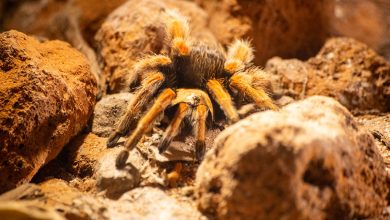
Tarantulas are a group of large, hairy spiders found in various environments worldwide, particularly in tropical and subtropical regions. There are over 1,000 species of tarantulas, each with unique characteristics, behaviours, and care requirements. Common species kept as pets include the Chilean Rose Tarantula (Grammostola rosea), the Brazilian Black Tarantula (Grammostola pulchra), and the Mexican Red-Knee Tarantula (Brachypelma smithi).
Anatomy and Behaviour
Tarantulas are identifiable by their eight legs, two main body segments (the cephalothorax and abdomen), and fangs that can inject venom. They possess two pairs of spinnerets at the rear of their abdomen, used for spinning silk webs. While their size and appearance may seem intimidating, most tarantulas are non-aggressive and only bite in self-defence.

Tarantulas have fascinating behaviours, including:
- Molting: Tarantulas periodically shed their exoskeleton to grow. This process can take several hours and requires a calm environment.
- Burrowing: Many species dig burrows or create silk-lined retreats in which they hide and ambush prey.
- Defensive Postures: When threatened, tarantulas may rear up, show their fangs, or release urticating hairs (irritating hairs found on their abdomen) as a defence mechanism.
Choosing the Right Tarantula
Factors to Consider
Before acquiring a tarantula, consider the following factors:
- Species: Some species are more docile and easier to care for, making them suitable for beginners. The Chilean Rose and Mexican Red-Knee Tarantulas are popular choices for novice keepers.
- Size: Tarantulas can range from small (about 2 inches) to large (up to 12 inches). Consider the space you have available and how large you want your tarantula to grow.
- Lifespan: Tarantulas have varying lifespans, with females typically living longer than males. Some females can live for 20 years or more, while males often live only a few years.
Where to Buy
When purchasing a tarantula, consider reputable breeders or specialised pet shops. Avoid buying from unreliable sources or wild-caught specimens, as they may be more susceptible to stress and disease. Always ask about the tarantula’s care history, health, and specific requirements.
Setting Up a Habitat
Creating an appropriate habitat for your tarantula is crucial for its health and well-being. The enclosure should mimic the tarantula’s natural environment and provide adequate space, substrate, and humidity levels.
Choosing an Enclosure
Tarantulas can be kept in various enclosures, such as glass terrariums, plastic containers, or specialised spider tanks. Consider the following when choosing an enclosure:
- Size: A good rule of thumb is to provide an enclosure that is at least 2-3 times the tarantula’s leg span. For smaller species, a 30 x 30 cm enclosure (5-10 gallon tank) is usually sufficient. Larger species may require a 20-gallon tank or larger.
- Ventilation: Ensure the enclosure has proper ventilation to prevent mould and excessive humidity, which can lead to health issues.
Substrate and Decoration
The substrate should provide a safe, comfortable surface for your tarantula to walk on and burrow into. Options include:
- Coconut fibre: This is a popular choice, as it retains moisture and allows for burrowing.
- Peat moss: This material is absorbent and provides a natural appearance but should be mixed with other substrates to avoid compaction.
- Potting soil: Organic potting soil can be used, but ensure it is free of fertilisers and chemicals.
To create an enriching environment, consider adding:
- Hiding spots: Tarantulas feel more secure in environments with hiding spots, such as cork bark, rocks, or commercially available spider hides.
- Plants: Artificial or live plants can add humidity and aesthetics, but ensure any live plants are safe for your tarantula.
Temperature and Humidity
Tarantulas thrive in specific temperature and humidity ranges, depending on their species:
- Temperature: Most tarantulas prefer temperatures between 21°C to 29°C (70°F to 85°F). Using a heat mat or lamp can help maintain these temperatures, but ensure it does not overheat the enclosure.
- Humidity: Humidity levels should typically be between 40% to 70%. A hygrometer can help monitor humidity, and misting the enclosure occasionally can help maintain appropriate levels.
Feeding Your Tarantula
Diet
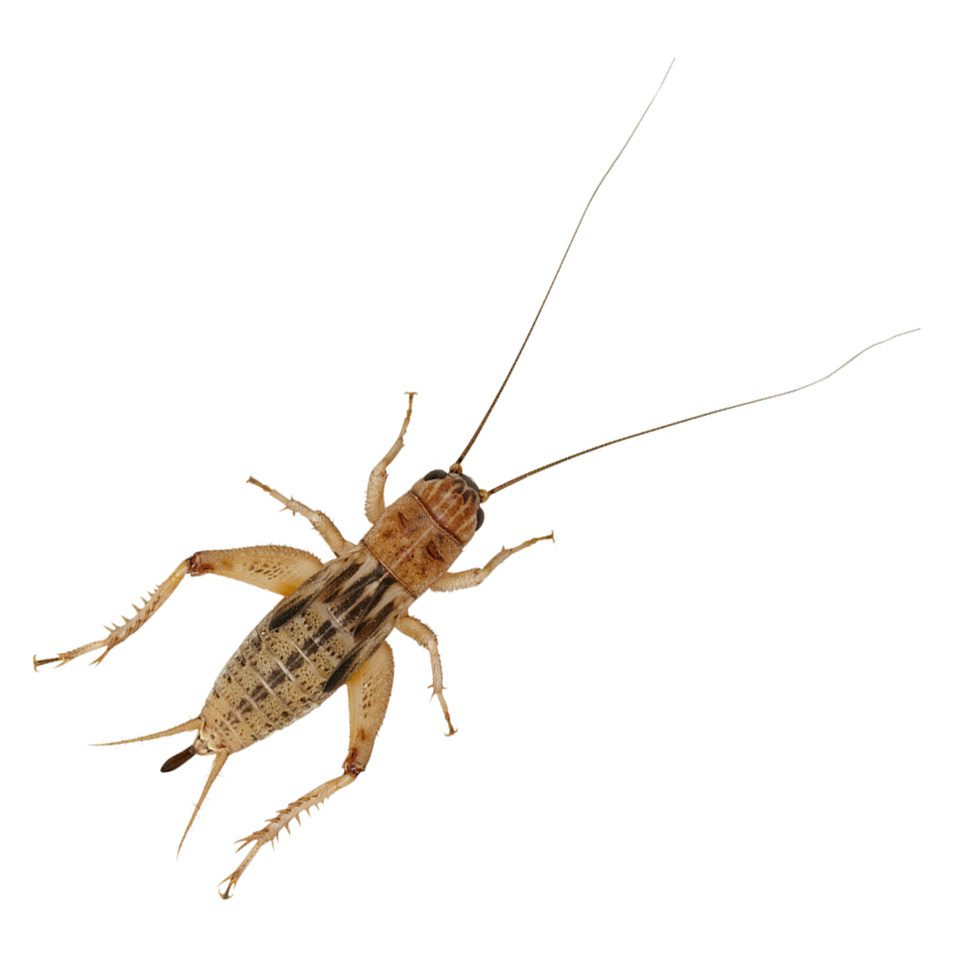
Tarantulas are carnivorous and primarily eat live prey, such as crickets, mealworms, and roaches. The size of the prey should be appropriate for the size of the tarantula, typically no larger than the width of its body.
Feeding Schedule
Younger tarantulas may need to be fed every 2-3 days, while adult tarantulas can be fed once a week or every 10-14 days. Always remove any uneaten food after 24 hours to prevent spoilage and stress in the tarantula.
Water
Tarantulas need access to fresh water, which can be provided in a shallow dish or by misting the enclosure. Avoid providing deep water dishes, as they can pose a drowning risk.
Handling Tarantulas
Basic Handling Guidelines
Handling tarantulas is a controversial topic among enthusiasts. While some species can be handled, it is essential to follow these guidelines:
- Start Slowly: If you decide to handle your tarantula, allow it to acclimate to its new environment for at least a few weeks before attempting any handling.
- Use a Container: For safety, use a small container or cup to guide the tarantula rather than directly handling it with your hands.
- Be Calm and Gentle: Sudden movements can startle your tarantula. Move slowly and gently when interacting with it.
Recognising Stress
It is crucial to recognise signs of stress in your tarantula. Signs may include:
- Hiding or burrowing more than usual
- Refusing food
- Displaying defensive behaviours (e.g., rearing up, flicking hairs)
If your tarantula exhibits signs of stress, it may be best to limit handling and provide a more comfortable environment.
Health and Maintenance
Regular Care

Maintaining your tarantula’s habitat and overall health involves:
- Cleaning: Regularly clean the enclosure to prevent mould and parasites. Remove waste and uneaten food promptly.
- Humidity and Temperature Checks: Regularly monitor humidity and temperature to ensure they remain within the appropriate ranges.
- Observing Behaviour: Pay attention to your tarantula’s behaviour, appetite, and appearance. Any changes may indicate health issues.
Common Health Issues
Some common health issues in tarantulas include:
- Mould and Fungal Infections: Excess moisture can lead to mould growth, which can harm your tarantula. Maintain appropriate humidity levels and ventilation.
- Parasitic Infections: External parasites like mites can affect your tarantula’s health. If you suspect a parasite, consult a veterinarian with experience in exotic animals.
- Moulting Problems: If a tarantula has difficulty shedding its exoskeleton, it can lead to health complications. Ensure the humidity is appropriate during molting periods.
Tarantulas can make fascinating and rewarding pets for those willing to invest the time and effort into their care. By understanding their needs and behaviours, you can create a suitable environment that allows your tarantula to thrive. Remember, patience and observation are key to successful tarantula husbandry.
References
Denny, A. (2019). The Tarantula Keeper’s Guide. New York: Barron’s Educational Series.
Smith, S. (2020). Tarantula Care for Beginners. London: Reptile Publications.
Smith, P. J., & Johnson, T. (2018). The Complete Guide to Tarantula Care. Chicago: Exotic Pets Press.
Cushing, B. (2016). “Understanding Tarantula Behaviour”. Spider Enthusiast Journal, 12(3), 45-50.
International Society for Arachnology. (n.d.). Tarantula Care Sheets. www.arachnology.org
Mullen, G., & Durden, L. (2009). Medical and Veterinary Entomology. San Diego: Academic Press.