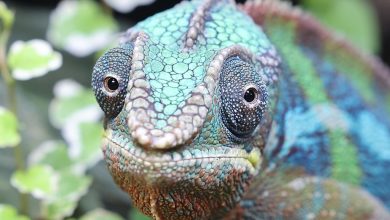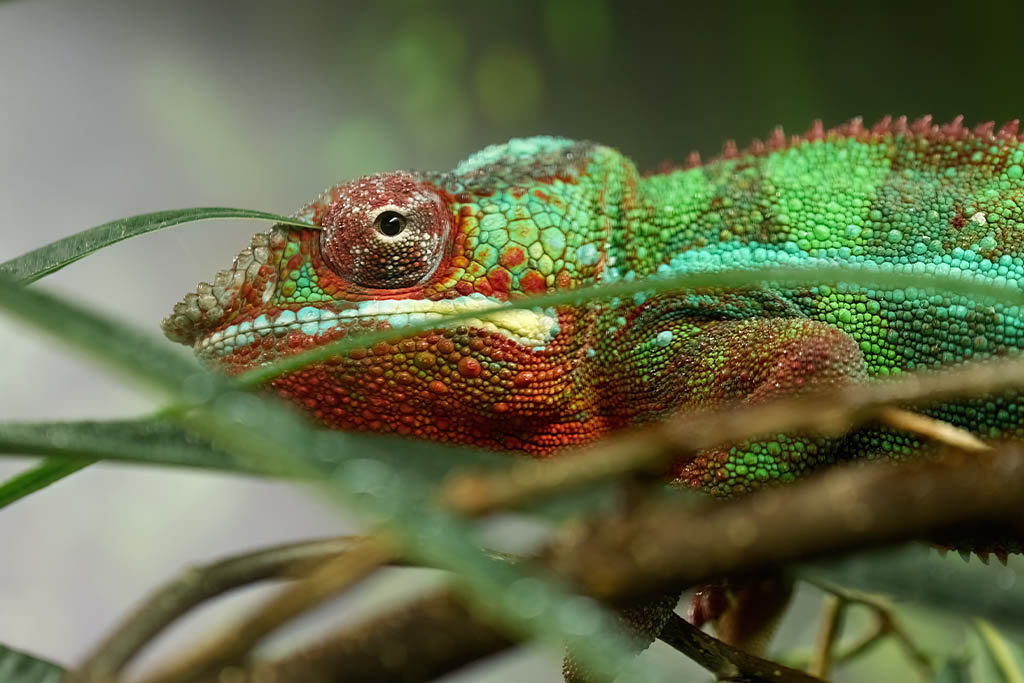
The Panther Chameleon (Furcifer pardalis) is one of the most stunning and sought-after reptiles among reptile enthusiasts and pet owners. Known for their vibrant colours and unique physical characteristics, these chameleons are not only visually appealing but also require specific environmental conditions to thrive in captivity. Understanding the temperature and humidity needs of Panther Chameleons is crucial for their health and well-being. This article delves into the optimal temperature and humidity ranges for Panther Chameleons, their effects on the reptiles’ physiology, and best practices for maintaining these conditions in captivity.
Understanding Panther Chameleon Habitat
In their natural habitat, Panther Chameleons are found in Madagascar, specifically in the rainforests and tropical forests of the island. These environments are characterised by high humidity levels, diverse vegetation, and warm temperatures throughout the year. Panther Chameleons have adapted to thrive in these conditions, making it essential to replicate their native habitat as closely as possible when keeping them in captivity.
Temperature Requirements
Temperature plays a vital role in the health and metabolism of Panther Chameleons. They are ectothermic animals, meaning they rely on external heat sources to regulate their body temperature. Maintaining appropriate temperature gradients within their enclosure is crucial for their overall health, enabling them to digest food, assimilate nutrients, and perform essential physiological functions.

Optimal Temperature Ranges
- Basking Area:
- The basking spot should be kept at a temperature between 32°C and 35°C (90°F to 95°F). This allows the chameleon to warm up effectively and metabolise food properly.
- Cooler Side:
- The cooler end of the enclosure should maintain a temperature range of 24°C to 27°C (75°F to 80°F). This allows the chameleon to retreat to a cooler area when it needs to lower its body temperature.
- Nighttime Temperatures:
- During the night, temperatures can drop to around 18°C to 21°C (65°F to 70°F). It is essential to provide a temperature drop to mimic their natural habitat and encourage a healthy sleep cycle.
Temperature Regulation
To achieve the desired temperature gradients within the enclosure, several methods can be employed:
- Heat Lamps: Using a basking lamp is the most effective way to create a warm basking area. Ensure that the light source is positioned appropriately to avoid overheating any area of the enclosure.
- Thermometers: Employ multiple thermometers in the enclosure to monitor temperature variations across different areas. Digital thermometers with probes are ideal for accurate readings.
- Heat Mats: While not always necessary, heat mats can be placed under the enclosure to provide additional warmth, especially in cooler environments. However, they should be used cautiously to prevent overheating.
- Ambient Temperature: The ambient temperature of the room should also be considered. It is ideal to keep the room temperature between 21°C and 26°C (70°F to 80°F) to ensure a stable environment.
Humidity Requirements
Humidity is another critical factor affecting the health of Panther Chameleons. In their native rainforest habitats, humidity levels can reach up to 70% to 100%, depending on the time of year and weather conditions. High humidity levels help keep their skin hydrated and support respiratory health.

Optimal Humidity Levels
- Daytime Humidity:
- During the day, humidity levels should be maintained between 50% and 70%. This range allows for adequate hydration without causing excessive dampness, which can lead to health issues.
- Nighttime Humidity:
- At night, humidity can rise to between 70% and 100%, mimicking natural conditions. This can be achieved through misting and proper ventilation.
Humidity Regulation
Maintaining optimal humidity levels can be achieved through various methods:
- Misting Systems: Automatic misting systems or handheld spray bottles can be used to mist the enclosure several times a day. This not only helps to maintain humidity but also encourages drinking behaviours in chameleons.
- Humidity Gauges: Digital hygrometers are essential for monitoring humidity levels accurately. Place these gauges in different areas of the enclosure to get a comprehensive understanding of humidity variations.
- Live Plants: Incorporating live plants into the enclosure can help naturally increase humidity levels. Plants release moisture through a process called transpiration, creating a more humid environment.
- Water Bowls: Providing shallow water bowls can also encourage drinking and increase humidity levels. However, care must be taken to ensure the water does not become stagnant.
Effects of Improper Temperature and Humidity
Maintaining incorrect temperature and humidity levels can lead to various health issues in Panther Chameleons. Here are some common problems associated with inadequate environmental conditions:
- Dehydration: Low humidity levels can cause dehydration, leading to lethargy, sunken eyes, and loss of appetite.
- Respiratory Issues: High humidity combined with poor ventilation can create an environment conducive to respiratory infections.
- Digestive Problems: Incorrect basking temperatures can hinder the chameleon’s ability to digest food properly, leading to regurgitation and weight loss.
- Metabolic Bone Disease: Inadequate basking temperatures can contribute to metabolic bone disease, characterised by weakened bones and deformities.
- Stress: Fluctuations in temperature and humidity can stress Panther Chameleons, leading to behavioural changes and a compromised immune system.
Best Practices for Maintaining Temperature and Humidity
To ensure that Panther Chameleons thrive in captivity, it is essential to implement the following best practices for maintaining temperature and humidity:

- Monitor Regularly: Regularly check temperatures and humidity levels using thermometers and hygrometers. This allows for prompt adjustments as needed.
- Create a Suitable Habitat: Use a spacious enclosure that provides enough vertical and horizontal space for climbing and basking. This allows the chameleon to choose the temperature it prefers.
- Provide a Varied Environment: Incorporate branches, foliage, and climbing structures to create a naturalistic environment. This encourages natural behaviours and helps regulate temperature through movement.
- Maintain Proper Ventilation: Ensure adequate airflow within the enclosure to prevent stagnant air, which can contribute to respiratory issues. Mesh enclosures are ideal for promoting ventilation.
- Educate Yourself: Stay informed about the specific needs of Panther Chameleons by reading reputable sources, joining forums, or connecting with experienced keepers.
- Adjust Seasonally: Be mindful of seasonal changes in temperature and humidity. Adjust your care routine to mimic seasonal fluctuations in their natural habitat.
Panther Chameleons are beautiful reptiles that require specific temperature and humidity conditions to thrive. By understanding their natural habitat and replicating those conditions in captivity, you can ensure the health and well-being of these fascinating creatures. Regular monitoring, proper environmental setup, and adherence to best practices will create an ideal habitat for Panther Chameleons, allowing them to display their vibrant colours and unique behaviours while thriving in a comfortable and secure environment.
References
Venesky, M. D., & R. H. Webb (2011). Chameleon Physiology: An Overview. Journal of Herpetology, 45(1), 89-95.
McKeown, S. (1996). Chameleons: Their Care and Breeding in Captivity. M. A. E. Books.
McDiarmid, R. W., & Altig, R. (1999). Tadpoles: The Biology of Anuran Larvae. University of Chicago Press.
Hoppes, S. M. (2000). Reptile Medicine and Surgery. Elsevier.
Kluge, A. G. (1993). Phylogenetic Relationships in the Chameleonidae. In The Biology of Chameleons (pp. 1-30). Academic Press.
Hennion, F., & Fabre, D. (2005). Chameleons in the Wild and in Captivity. Reptiles Magazine, 13(4), 16-23.
Kingsbury, D. (2010). Breeding and Keeping Panther Chameleons: A Complete Guide. Herpetological Review, 41(1), 12-16.