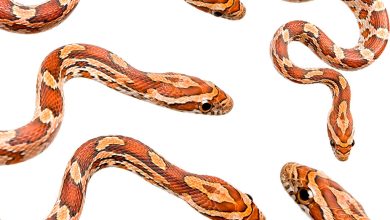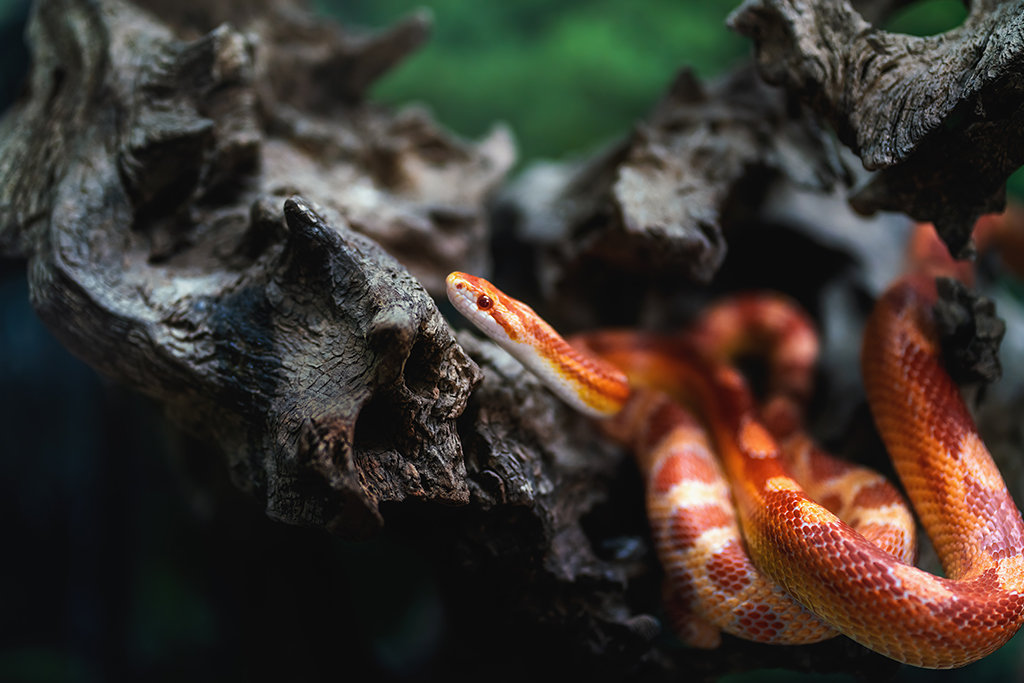
Corn snakes are one of the most popular choices for beginner reptile keepers due to their manageable size, docile nature, and relatively low-maintenance care needs. However, one of the most crucial aspects of ensuring your corn snake thrives is providing the right enclosure. An enclosure that mimics their natural habitat, promotes healthy behaviours, and ensures safety and comfort is key to maintaining your snake’s health and well-being.
This article will guide you through the factors to consider when choosing the best enclosure for your corn snake, including size, material, heating, lighting, substrate, humidity, and additional accessories. By the end, you’ll be well-equipped to create a suitable, safe, and stimulating home for your snake.
Size of the Enclosure

One of the most important considerations when choosing a corn snake enclosure is size. A too-small enclosure can limit your snake’s movement and lead to stress, while an oversized one for young snakes can cause feeding issues due to feeling unsafe in a large open space.
General Size Guidelines:
- Hatchlings (up to 12 months old): For young corn snakes, a 20-gallon (76-litre) tank is sufficient. A typical measurement would be around 60cm x 30cm x 30cm.
- Juveniles (12 to 24 months old): As the snake grows, you’ll need a larger enclosure.
- Adults (2+ years old): Adult corn snakes typically require a tank size of at least 90 cm x 45 cm x 45 cm (approximately a 40-gallon or 150-litre tank). This allows the snake to stretch out and exercise.
While the length of the enclosure is the primary concern, height should not be neglected. Corn snakes are semi-arboreal, meaning they will appreciate climbing space and enrichment in a taller enclosure. A height of 40-50 cm is generally suitable.
Material of the Enclosure
Enclosures come in a variety of materials, each with its advantages and disadvantages. The most common choices include glass, wood, and plastic.
Glass Tanks
Glass tanks are a popular choice for corn snakes due to their clear visibility, which allows for easy observation. They are also readily available and easy to clean. However, glass is less efficient at retaining heat, meaning more effort might be required to maintain the correct temperature. Additionally, glass tanks tend to be heavier and more fragile than other options.
Wooden Vivariums
Wooden vivariums are ideal for heat retention and privacy, as they mimic the natural environment more closely than glass enclosures. These enclosures have a glass front for viewing, while the wooden sides help to insulate the heat. However, they may not be as aesthetically pleasing as full glass tanks and are susceptible to moisture damage if not properly sealed, especially with high humidity.
Plastic Enclosures
Plastic enclosures, like those made from PVC, are lightweight, durable, and efficient at retaining heat and humidity. They are also easy to clean and can be stacked, making them a good option for those with multiple reptiles. The downside is that plastic enclosures may not offer the same visual appeal as glass tanks.
Temperature and Heating
Corn snakes are ectothermic (cold-blooded), meaning they rely on external heat sources to regulate their body temperature. Therefore, it’s essential to provide a proper heating setup within their enclosure to create a temperature gradient.
Temperature Gradient
A temperature gradient means there should be a warm side and a cooler side of the enclosure, allowing your corn snake to regulate its body temperature by moving between the two.
- Warm side: The warm side should be maintained at around 29-32°C (85-90°F).
- Cool side: The cooler side should be around 22-25°C (72-77°F).
- Night-time temperatures can drop slightly, but they should not fall below 18°C (65°F).
Heating Options
- Heat Mats: A heat mat placed under the enclosure on one side is a common and effective method of providing a warm area for your snake to bask. Always use a thermostat to prevent overheating and burns.
- Ceramic Heat Emitters (CHE): These emitters provide heat without light and are an excellent option for maintaining ambient temperature without disturbing your snake’s natural day-night cycle.
- Radiant Heat Panels: These are a less common but highly effective option, especially for larger enclosures. They provide gentle radiant heat that mimics the sun’s warming effects.
Thermostat
Regardless of your chosen heating method, always connect it to a reliable thermostat. This ensures that the temperature is maintained within safe limits, preventing your snake from overheating or becoming too cold.
Lighting
Although corn snakes do not require UVB lighting like some other reptiles, providing a natural light cycle is important for their overall well-being. Ensuring a regular day and night cycle helps regulate their circadian rhythm, feeding habits, and activity levels.
Day-Night Cycle
- Provide 12 hours of daylight and 12 hours of darkness. This can be easily achieved by using a light timer.
- If you use a light for warmth during the day, ensure it doesn’t disrupt the dark phase at night.
Optional UVB Lighting
While not essential for corn snakes, some keepers choose to add low-level UVB lighting to their enclosures. UVB can help synthesise vitamin D3, promoting better health. A 5-6% UVB bulb is suitable, ensuring it doesn’t overexpose the snake.
Substrate Choices
The substrate is the material placed on the floor of the enclosure. It should be comfortable for the snake to move across, easy to clean, and safe if accidentally ingested.
Popular Substrate Options:
- Aspen Shavings: One of the most popular choices for corn snakes. Aspen is a light, non-toxic wood shaving that allows for burrowing. It is affordable, easy to spot-clean, and holds up well in dry environments.
- Lignocel (Snake Life): Highly absorbent and absorbs any spillages from water or animal waste, with very good odour control, and making spot cleaning quick and easy.
- Cypress Mulch/Forest Floor: Another good option, especially if you need a higher humidity level. Cypress holds moisture better than aspen and allows for burrowing.
- Reptile Carpet: This is a reusable substrate that can be easily cleaned, but it doesn’t allow for burrowing. It’s a good option for those who prefer a low-maintenance solution, but it can hold bacteria if not cleaned frequently.
- Paper Towels/Newspaper: For hatchlings or those with health concerns, paper towels or newspaper can be used as a cheap, disposable, and sanitary substrate. However, it does not provide the enrichment opportunities of other options.
Substrates to Avoid
Avoid substrates like pine or cedar shavings, as they contain oils that can be toxic to corn snakes. Similarly, sand should be avoided as it can cause impaction if ingested.
Humidity Levels
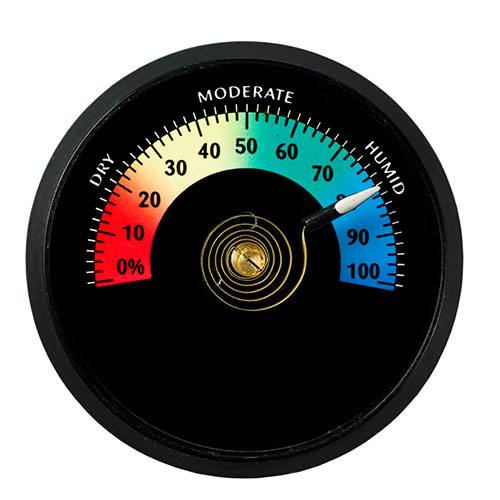
Corn snakes thrive in a humidity level between 40-60%, which is typical for most household environments. However, you should monitor the humidity closely, as levels that are too low can cause shedding problems, while levels that are too high can lead to respiratory issues.
Maintaining Humidity
- Misting: Lightly misting the enclosure can help maintain proper humidity levels, especially during shedding.
- Water Bowl: Placing a large, shallow water bowl in the enclosure not only provides drinking water but also helps regulate humidity.
- Hygrometer: Use a hygrometer to measure the humidity in the enclosure, ensuring it stays within the recommended range.
If the enclosure has trouble retaining humidity, consider adding a humidity hide filled with damp sphagnum moss. This allows your snake to self-regulate by moving into the hide when they need extra moisture.
Decor and Enrichment
While corn snakes are not overly demanding in terms of entertainment, providing a stimulating environment is still crucial to keeping them mentally and physically healthy.
Hides
Corn snakes need at least two hides in their enclosure – one on the warm side and one on the cool side. Hides give them a safe place to retreat and help reduce stress. Ensure the hides are snug, as snakes prefer enclosed spaces.
Climbing and Enrichment
Corn snakes enjoy climbing, so adding branches, rocks, or shelves can provide additional enrichment. Artificial or real plants can also be used to create a more natural environment.
Water Bowl
A large, shallow water bowl should be placed in the enclosure. Ensure it’s big enough for the snake to soak in, especially during shedding periods. Clean the bowl regularly to prevent bacterial build-up.
Cleaning and Maintenance
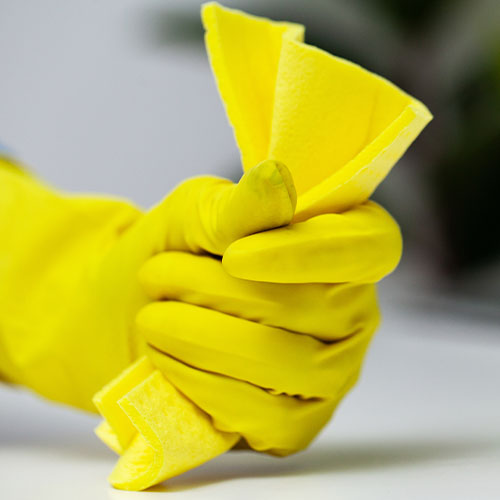
Keeping your snake’s enclosure clean is essential for their health. Routine cleaning reduces the risk of bacterial infections and other health issues.
Spot Cleaning
- Spot-clean the enclosure daily by removing faeces, shed skin, and any uneaten food.
- Replace soiled substrate as needed.
Deep Cleaning
- Conduct a thorough clean of the entire enclosure every 4-6 weeks, including disinfecting the tank and all accessories. Use reptile-safe cleaning products and ensure everything is fully rinsed and dried before returning your snake to its home.
Choosing the right enclosure for your corn snake is essential for its health, happiness, and longevity. The enclosure size should grow with your snake, providing plenty of space to explore and exercise. The right materials, heating, lighting, humidity control, substrate, and accessories all work together to create a comfortable environment that mimics their natural habitat.
Investing in the right setup not only ensures that your snake thrives but also makes their care more manageable in the long term. By following the guidelines laid out in this article, you can create a safe, enriching, and appropriate home for your corn snake to enjoy throughout its life.
References
Barker, D. (2019). Corn Snake Care Guide.
Amey, M. (2016). The Corn Snake Manual.
Burton, R. (2018). Corn Snakes as Pets: The Complete Corn Snake Guide.
Corn Snake Care Sheet. (2022). Reptiles Magazine, ReptilesMagazine.com.
Corn Snake Care: A Complete Guide. (2021). The Reptile Guide, TheReptileGuide.com.