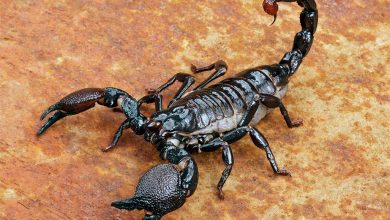
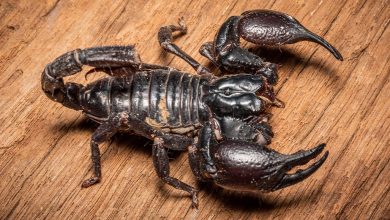
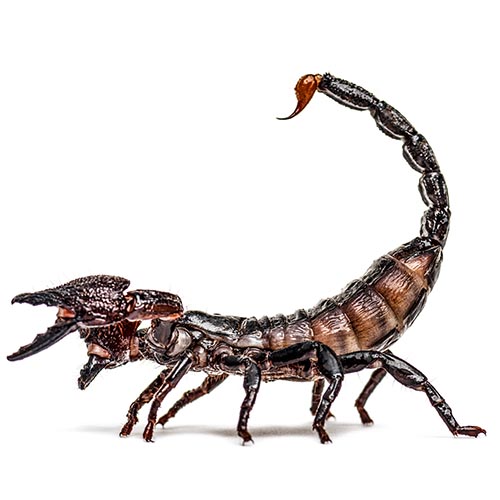
Emperor scorpions (Pandinus imperator) are one of the most popular scorpion species kept as pets, thanks to their impressive size and generally docile temperament. When it comes to setting up a habitat for these fascinating arachnids, one of the most critical factors to consider is the substrate. The substrate you choose can significantly impact the health, behaviour, and overall wellbeing of your emperor scorpion. In this article, we will explore the types of substrates available, their benefits and drawbacks, and how to create the best environment for your scorpion.
Understanding Substrate
Substrate refers to the material that lines the bottom of the terrarium or enclosure where your emperor scorpion resides. It serves several essential purposes, including:
Providing a Natural Environment: The right substrate mimics the scorpion’s natural habitat, contributing to its comfort and stress levels.
Humidity Regulation: Substrates play a crucial role in maintaining appropriate humidity levels, which are vital for the scorpion’s health.
Burying and Digging: Scorpions are burrowing creatures; a suitable substrate allows them to exhibit natural behaviours.
Waste Absorption: A good substrate can help absorb waste, making it easier to maintain a clean habitat.
Factors to Consider When Choosing Substrate
When selecting a substrate for your emperor scorpion, consider the following factors:
Humidity Requirements
Emperor scorpions thrive in humid environments, typically requiring humidity levels between 75% to 85%. Therefore, the substrate you choose should be capable of retaining moisture without becoming waterlogged.
Texture and Composition
The texture and composition of the substrate can affect your scorpion’s behaviour. A substrate that is too coarse may be uncomfortable, while one that is too fine may not provide the necessary support for burrowing.
Cleanliness and Maintenance
Some substrates are easier to clean and maintain than others. A substrate that retains waste can lead to bacterial growth and health issues for your scorpion.
Safety
Ensure that the substrate is non-toxic and free from harmful chemicals or additives that could endanger your scorpion’s health.
Types of Substrates for Emperor Scorpions
Here are some of the most popular substrates for emperor scorpions, along with their benefits and drawbacks:
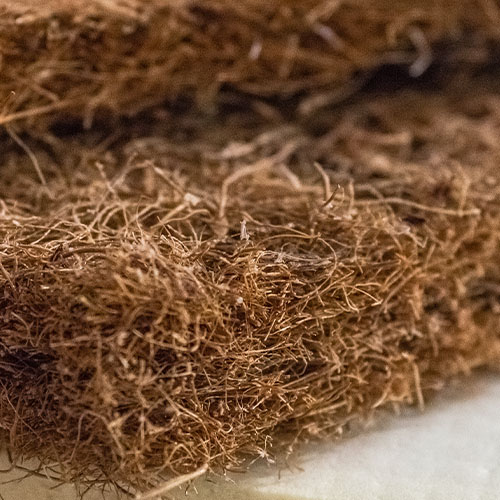
Coconut Fibre (Coir)
Benefits:
- Excellent moisture retention, making it ideal for maintaining humidity.
- Natural, biodegradable material.
- Provides a comfortable environment for burrowing.
Drawbacks:
- Can become compacted over time, reducing aeration.
- May require regular replacement to prevent mould growth.
Peat Moss
Benefits:
- High moisture retention, beneficial for humidity.
- Soft texture, making it comfortable for burrowing.
Drawbacks:
- Can be acidic, which may affect pH levels if not balanced.
- Requires frequent misting to maintain humidity levels.
Sand
Benefits:
- Provides excellent drainage, preventing waterlogging.
- Allows for easy burrowing and digging.
Drawbacks:
- Does not retain moisture well, making humidity control challenging.
- Can be harsh on the scorpion’s exoskeleton if too coarse.
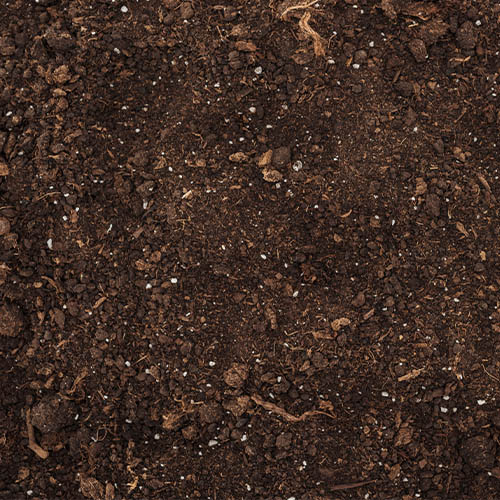
Topsoil
Benefits:
- Generally rich in nutrients and allows for good burrowing.
- Can be mixed with other substrates to improve moisture retention.
Drawbacks:
- May contain chemical additives or pesticides, so it is essential to choose organic options.
- Can compact over time, leading to poor drainage.
Bioactive Substrates
Benefits:
- Contains beneficial microorganisms and is often enriched with organic matter.
- Provides a self-sustaining ecosystem that helps break down waste.
- Mimics natural habitat closely, offering comfort to the scorpion.
Drawbacks:
- Can be more challenging to set up and maintain.
- Requires a bit of knowledge about maintaining the ecosystem.
How to Create the Ideal Substrate Layer
To provide the best environment for your emperor scorpion, it is essential to create a substrate layer that mimics their natural habitat. Here are steps to create the ideal substrate layer:
Layering
Consider creating a multi-layered substrate setup to offer various textures and moisture retention capabilities.
- Base Layer: Start with a layer of gravel or hydroton (expanded clay pebbles) to aid drainage. This layer should be about 1-2 inches deep.
- Main Layer: Add a mixture of coconut fibre and peat moss or topsoil, creating a layer about 4-6 inches deep. This depth allows for adequate burrowing, as emperor scorpions are known to dig.
- Top Layer: Optionally, you can add a thin layer of fine sand on top to provide texture and aid in humidity regulation.
Moisture Control
Once the substrate is in place, it’s essential to monitor and maintain appropriate moisture levels. Regularly mist the substrate to keep it damp but not soggy. Using a hygrometer can help you keep track of humidity levels.
Cleaning and Maintenance
Regular maintenance is crucial for keeping your emperor scorpion’s habitat healthy. Spot clean the substrate by removing waste and uneaten food as needed. Replace the substrate entirely every few months to prevent the build-up of harmful bacteria.
Choosing the right substrate for your emperor scorpion is a vital aspect of creating a healthy and comfortable environment. Consider factors such as humidity requirements, texture, cleanliness, and safety when selecting a substrate. Options like coconut fibre, peat moss, sand, topsoil, and bioactive substrates each have their unique benefits and drawbacks, making it essential to choose one that best meets the needs of your scorpion and replicates its natural habitat.
By carefully selecting and maintaining the substrate, you’ll provide your emperor scorpion with an environment where it can thrive, exhibit natural behaviours, and live a long, healthy life.
References
Ainsworth, R. (2018). The Complete Book of Scorpions: Everything You Need to Know About Keeping Scorpions as Pets. Ilex Press.
Hillyard, P. (1992). The Biology of Scorpions. Stanford University Press.
Jäger, P., & Prendini, L. (2010). “The Scorpions of the World (Arachnida: Scorpiones)”. Invertebrate Systematics, 24(2), 117-132.
Kovařík, F. (2007). Scorpion Care: An Illustrated Guide to Keeping Scorpions in Captivity. New Holland Publishers.
Stahnke, H. L. (1970). “A Key to the Genera of Scorpions”. Bulletin of the American Museum of Natural History, 144(1), 1-81.
Vance, R. (2014). “Creating the Perfect Substrate for Scorpions”. Reptiles Magazine.