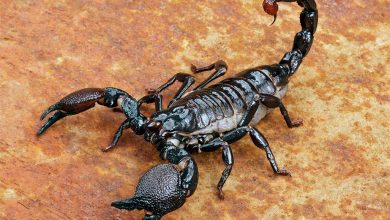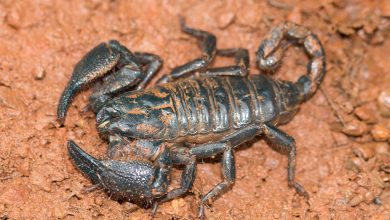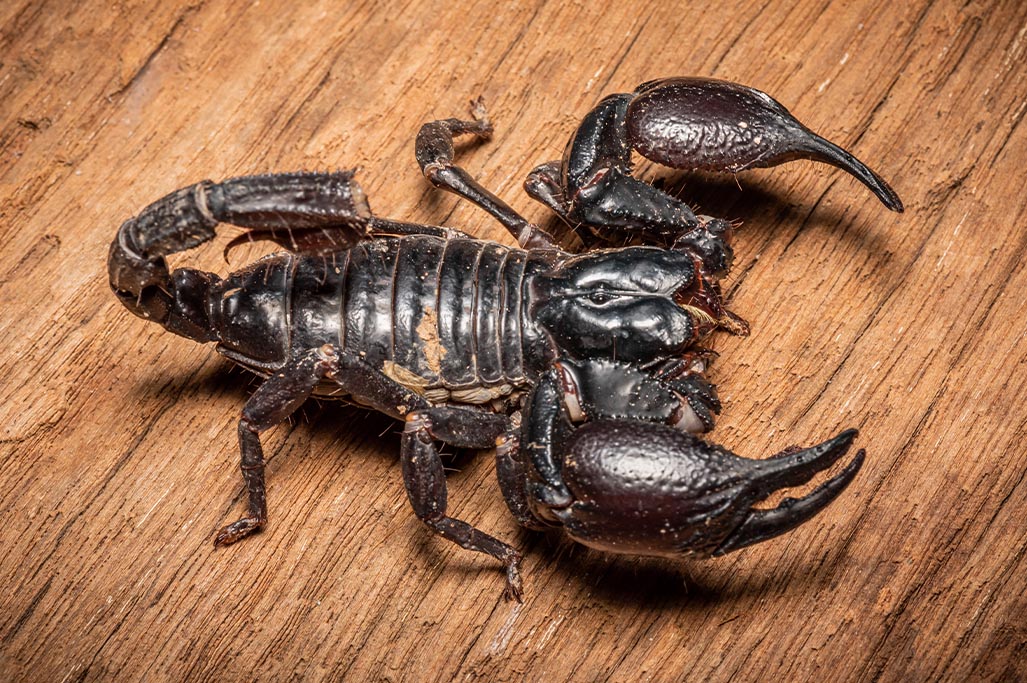
Emperor scorpions (Pandinus imperator) are among the most popular species kept as pets due to their impressive size, docile nature, and fascinating behaviours. However, ensuring they thrive in captivity requires careful consideration of their enclosure. This article will guide you through the essential factors to consider when choosing the right enclosure for your emperor scorpion, including size, substrate, temperature and humidity, ventilation, and furnishings.
Understanding the Needs of Emperor Scorpions
Before diving into the specifics of enclosures, it’s crucial to understand the natural habitat of emperor scorpions. Native to the rainforests and savannas of West Africa, they prefer warm, humid environments with plenty of hiding spots. Therefore, replicating these conditions in captivity is vital for their health and well-being.
Size of the Enclosure
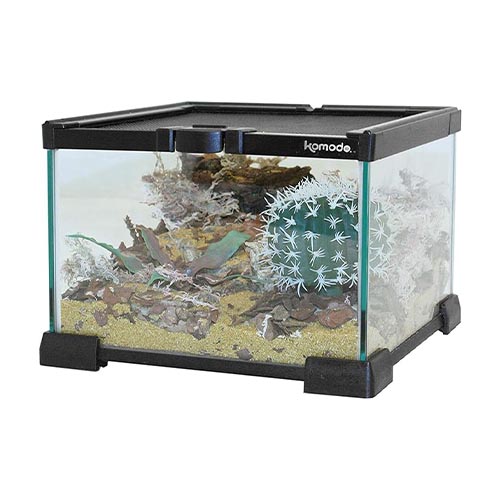
When selecting an enclosure, size is a primary consideration. Emperor scorpions can grow quite large, often reaching lengths of up to 20 cm (8 inches). A minimum enclosure size for a single emperor scorpion should be:
- 45x30x30cm (~75 litres) for one adult scorpion.
- 45x45x30cm (~110 litres) for a pair or a small group.
While smaller enclosures can be suitable for juvenile scorpions, adults require ample space to roam, hide, and establish their territory. A larger enclosure also allows for better environmental control, providing room for varied microhabitats.
Type of Enclosure
Several types of enclosures can house emperor scorpions, including glass aquariums, plastic terrariums, and specialised reptile enclosures. Each type has its pros and cons:
- Glass Aquariums: These provide excellent visibility and are available in various sizes. They are easy to clean and maintain but may require additional heating sources.
- Plastic Terrariums: Lightweight and often more affordable, plastic terrariums offer good insulation and are less prone to breakage. However, they can scratch easily and may not provide the same visibility as glass.
- Specialised Reptile Enclosures: These enclosures are designed with reptiles and arachnids in mind, often featuring adequate ventilation and humidity control. They can be more expensive but offer the best features for keeping scorpions.
Substrate
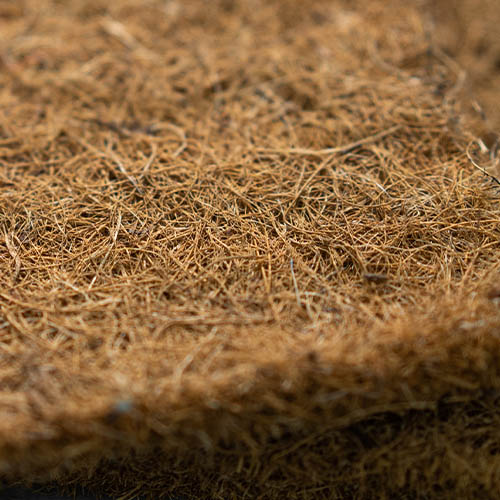
Choosing the right substrate is critical for maintaining humidity levels and allowing your scorpion to burrow, which is a natural behaviour for them. Suitable substrates include:
- Coconut Fibre: This material retains moisture well and provides a suitable environment for burrowing. It is often the preferred choice among scorpion keepers.
- Invertebrate Soil: Pesticide-free pre-mixed invertebrate soil can also work well, providing a natural look and the ability to retain moisture.
- Sand: While not ideal for moisture retention, a mix of sand and coconut fibre can mimic a more arid environment, although this is less common for emperor scorpions.
A substrate depth of at least 10–15 cm (4–6 inches) is recommended to allow for burrowing. Regularly check the substrate to ensure it remains moist but not soggy, as overly wet conditions can lead to fungal growth and other health issues.
Temperature and Humidity
Maintaining the right temperature and humidity is crucial for the health of emperor scorpions. In their natural habitat, temperatures typically range from 24°C to 30°C (75°F to 86°F), with humidity levels between 70% and 80%.
Heating:
- A heat mat placed under one side of the enclosure can help create a temperature gradient. It is essential to monitor temperatures with a reliable thermometer to prevent overheating.
Humidity:
- Use a hygrometer to keep track of humidity levels. Mist the enclosure lightly once or twice a week, and provide a water dish to help maintain humidity. Ensure the water dish is shallow to prevent drowning.
Ventilation
Good ventilation is necessary to prevent the build-up of humidity and maintain air quality. Most glass aquariums and terrariums come with mesh lids, which allow for adequate airflow. However, avoid excessive drafts, as emperor scorpions prefer stable environments.
If you are using a glass tank, ensure that the lid has openings for ventilation. If the enclosure lacks sufficient airflow, consider adding small ventilation holes at the top or sides, being careful not to compromise the integrity of the enclosure.
Furnishings and Hiding Spots
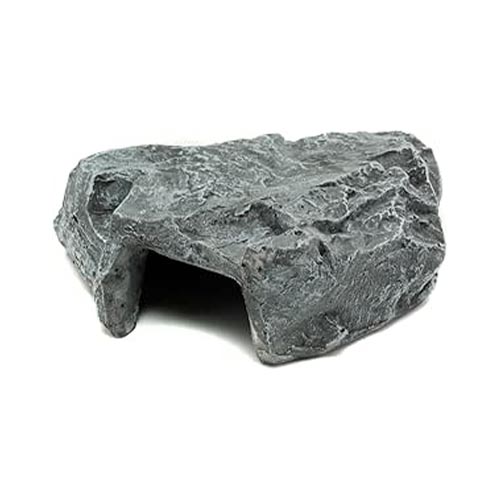
Emperor scorpions are nocturnal and appreciate hiding spots where they can feel secure. Including various furnishings will not only enhance the aesthetic appeal of the enclosure but also provide enrichment for the scorpions.
- Hides: Use caves, logs, or commercially available hides. These can be made from various materials, including cork bark or plastic.
- Plants: Live or artificial plants can create a more natural environment and provide additional hiding spots. If using live plants, ensure they are non-toxic and suitable for the humidity and light levels in the enclosure.
- Decorations: Consider adding rocks, driftwood, or other decorations that mimic the natural habitat. Ensure all items are clean and safe for the scorpion.
Regular Maintenance
Maintaining the enclosure is vital for the health of your emperor scorpion. Regular tasks include:
- Cleaning: Remove uneaten food and waste to prevent mould and bacteria growth. Clean the enclosure every few weeks, using warm water and a mild disinfectant safe for reptiles and invertebrates.
- Monitoring Conditions: Regularly check temperature and humidity levels to ensure they remain stable. Adjust heating and misting as needed.
- Observing Behaviour: Keep an eye on your scorpion’s behaviour. If you notice any signs of stress, such as lethargy or hiding excessively, reassess the enclosure conditions.
Group Housing Considerations
While emperor scorpions can sometimes be kept together, it’s generally advisable to house them individually to prevent territorial disputes and stress. If you choose to keep them in pairs or groups, ensure the enclosure is large enough and provides multiple hiding spots to minimise competition.
Choosing the right enclosure for your emperor scorpion is crucial for their well-being. By considering the size, type of enclosure, substrate, temperature, humidity, ventilation, and furnishings, you can create a comfortable and stimulating environment that mimics their natural habitat. Regular maintenance and observation will help ensure your emperor scorpion thrives in captivity, allowing you to enjoy its fascinating behaviours for years to come.
References
West, G. (2022). “Humidity and Temperature Management for Tropical Invertebrates.” Invertebrate Husbandry, 12(3), 22-29.
B, M., & Coates, S. (2019). The Ultimate Guide to Scorpion Care: A Comprehensive Guide to Keeping Scorpions as Pets. Reptile Publishing.
Brach, R. (2020). Scorpions: A Complete Guide to Keeping and Caring for Scorpions as Pets. Reptiles Magazine.
Campbell, J. (2018). “Understanding Scorpion Behaviour and Enclosure Requirements.” Journal of Exotic Pet Medicine, 27(2), 45-52.
Jolly, S. (2021). “Creating the Perfect Habitat for Emperor Scorpions.” Pet Care Quarterly, 15(4), 14-19.
Smith, T. (2017). Scorpions: Their Biology and Husbandry. Herpetological Society Press.