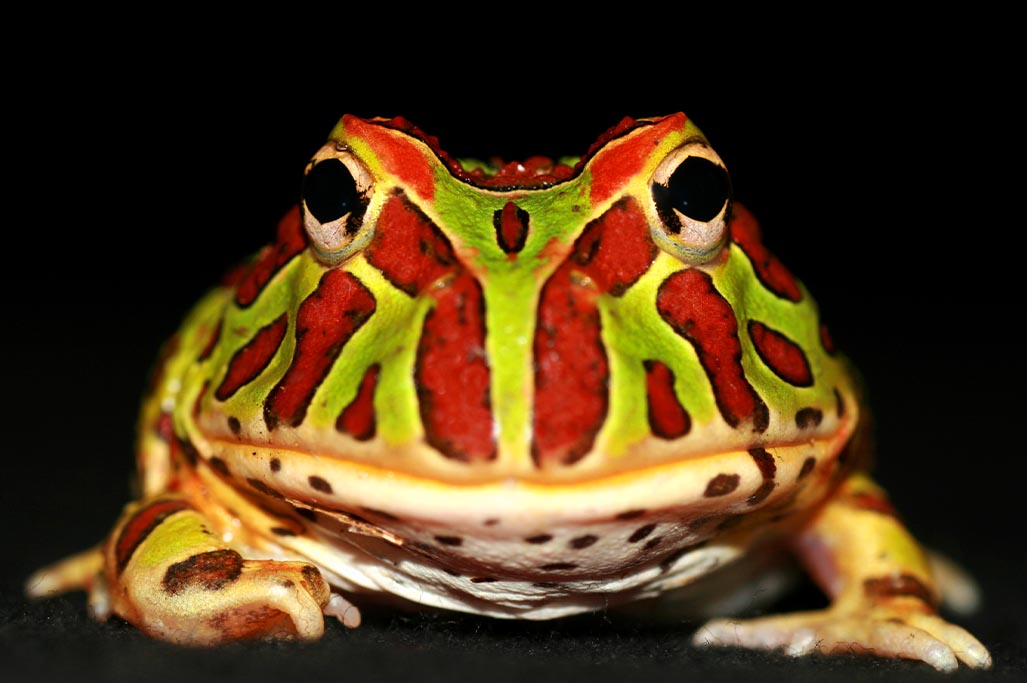
Caring for a Pacman frog (Ceratophrys spp.) requires not only providing the right habitat, diet, and temperature but also maintaining a clean environment. A well-maintained terrarium is vital for the health and wellbeing of your pet frog. This article will guide you through the cleaning process, frequency of cleaning, and tips for keeping your Pacman frog terrarium in optimal condition.
Understanding Your Pacman Frog’s Habitat

Before delving into cleaning schedules, it’s essential to understand the typical habitat of a Pacman frog. These frogs are native to the humid rainforests of South America, where they thrive in moist environments. In captivity, their terrarium should mimic these conditions, featuring:
- Substrate: A moisture-retaining substrate such as coconut coir, sphagnum moss, or a mix of both is ideal.
- Humidity: The humidity level should be maintained between 60% and 80%.
- Temperature: The temperature should range from 24°C to 28°C (75°F to 82°F).
- Hiding spots: Include caves or plants to provide shelter, as Pacman frogs are nocturnal and enjoy hiding during the day.
A clean terrarium not only enhances your frog’s quality of life but also helps prevent diseases and parasites that can arise from unsanitary conditions.
The Importance of Cleaning
Cleaning your Pacman frog terrarium is essential for several reasons:
Preventing Disease: Waste, uneaten food, and decaying organic matter can lead to bacterial growth and fungal infections, which can harm your frog.
Odour Control: Regular cleaning helps minimise unpleasant smells that can arise from waste accumulation.
Aesthetic Appeal: A clean terrarium is visually pleasing and allows you to enjoy observing your frog in its habitat.
Promoting Natural Behaviour: A clean and organised environment allows your frog to express natural behaviours, such as foraging and hiding.
How Often Should You Clean Your Pacman Frog Terrarium?
The cleaning schedule for your Pacman frog’s terrarium will depend on various factors, including the size of the enclosure, the number of frogs, and the type of substrate used. However, here are some general guidelines:
Daily Cleaning
- Spot Clean: Each day, check for and remove any uneaten food, waste, or substrate that appears dirty. Spot cleaning involves removing visible waste and old food to maintain a healthy environment. This is particularly crucial for Pacman frogs, as they can be messy eaters.
Weekly Cleaning
- Full Cleaning: Once a week, perform a more thorough cleaning. This includes:
- Changing the water in the water dish and cleaning the dish itself with warm water and a soft sponge (avoid soap).
- Replacing a portion of the substrate if it appears soiled. In some cases, you may need to replace all of the substrate if it becomes excessively dirty or if you notice a strong odour.
- Wiping down the terrarium walls to remove any algae or residue.
- Checking and replacing any decor or plants that may be dirty or decaying.
Monthly Cleaning
- Deep Clean: Once a month, conduct a deep clean of the entire terrarium. This involves:
- Removing all items from the terrarium, including substrate, water dishes, and decorations.
- Scrubbing the terrarium with a mixture of vinegar and water (1:1 ratio) to disinfect surfaces. Rinse thoroughly with clean water to remove any residue.
- If using live plants, remove them and inspect their roots. Replace any that appear unhealthy or diseased.
- Allow the terrarium to dry completely before reassembling it.
Signs Your Terrarium Needs Cleaning
While following a regular cleaning schedule is essential, you should also be aware of signs that indicate your terrarium needs attention:
- Strong Odours: If you notice unpleasant smells emanating from the terrarium, it may indicate a build-up of waste or decaying food.
- Visible Waste: An accumulation of waste or uneaten food on the substrate.
- Algae Growth: The presence of green or brown algae on the walls or substrate.
- Sick Frog: If your Pacman frog shows signs of illness (lethargy, loss of appetite, unusual behaviour), it may be due to an unclean environment.
Cleaning Supplies
When cleaning your Pacman frog terrarium, it’s important to use the right supplies. Here’s a list of recommended cleaning supplies:
- Soft Sponge or Cloth: For wiping down surfaces.
- Vinegar or Amphibian Safe Disinfectant: A natural disinfectant that is safe for use in the terrarium.
- Water Dish: For replacing water and rinsing items.
- New Substrate: If replacing or adding to the substrate.
- Thermometer and Hygrometer: To monitor temperature and humidity levels.
Special Considerations
- Quarantine New Items: Before introducing new plants or decorations, quarantine them for a week to ensure they are free from pests or diseases.
- Avoid Harsh Chemicals: Never use bleach, detergents, or other harsh chemicals in the terrarium, as they can be harmful to your frog.
- Maintain Temperature and Humidity: After cleaning, ensure that the terrarium’s temperature and humidity are restored to the optimal levels before reintroducing your frog.
Maintaining a clean terrarium for your Pacman frog is crucial for its health and wellbeing. By following a regular cleaning schedule, you can help prevent disease, control odours, and create an attractive habitat for your pet. Daily spot cleaning, weekly maintenance, and monthly deep cleans will ensure that your frog lives in a safe and comfortable environment.
References
Reptile Forums UK: A platform for sharing insights about terrarium maintenance and specific species needs.
Caresheets: Various species care sheets available online, including:
PetMD: “Pacman Frog Care”
Reptiles Magazine: “Caring for Pacman Frogs”
Books:
The Complete Guide to Reptiles and Amphibians: A comprehensive guide on care and maintenance.
The Frog Book: A Complete Guide to the Care of Frogs: Insights into amphibian care, including cleaning and habitat maintenance.
Online Forums and Communities:
The Frog Forum: Discussions on cleaning practices and care tips from experienced owners.