Corn snakes (Pantherophis guttatus) are one of the most popular snake species kept as pets due to their docile nature, beautiful coloration, and relatively easy care requirements. For enthusiasts and breeders alike, understanding the intricacies of breeding corn snakes can be both a rewarding and educational experience. However, proper knowledge of the process is essential to ensure the health and well-being of both the adult snakes and their offspring.
In this guide, we will walk you through the complete process of breeding corn snakes, covering everything from selecting healthy breeding pairs to caring for the eggs and hatchlings. Whether you’re an experienced snake keeper or a beginner interested in reptile breeding, this guide will provide you with the knowledge you need to breed corn snakes successfully.
Understanding Corn Snake Reproduction
Before embarking on breeding, it’s important to understand how corn snakes reproduce. Corn snakes are oviparous, which means they lay eggs rather than giving birth to live young. Female corn snakes generally lay between 10 and 30 eggs per clutch, depending on the size and health of the female. The incubation period for corn snake eggs is typically between 55 and 65 days, depending on environmental conditions like temperature and humidity.
Selecting Breeding Pairs
The first step in breeding corn snakes is selecting healthy, genetically compatible breeding pairs. The following factors should be considered:
Age and Size
- Males: Male corn snakes reach sexual maturity at around 18 months to 2 years of age. However, it’s recommended to wait until they are at least 2 years old to ensure full maturity. A male corn snake should ideally be at least 2.5 to 3 feet (75–90 cm) in length before breeding.
- Females: Female corn snakes should be at least 2.5 to 3 years old before breeding. They must also be at least 3 feet (90 cm) in length and weigh around 250–350 grams to ensure they are large and healthy enough to produce and lay eggs safely. Breeding females too early or when they are underweight can lead to health complications, including egg-binding.
Health and Condition
Ensure both snakes are in good health before attempting to breed them. Look for signs of a healthy snake:
- Clear eyes and nostrils.
- Smooth, even skin with no mites, abrasions, or scars.
- Good body weight without being underweight or overweight.
- Regular eating and defecating habits.
Both snakes should also be free from genetic defects or any underlying health issues. It’s best to take your snakes to a vet specializing in reptiles for a health check before breeding.
Morph Selection
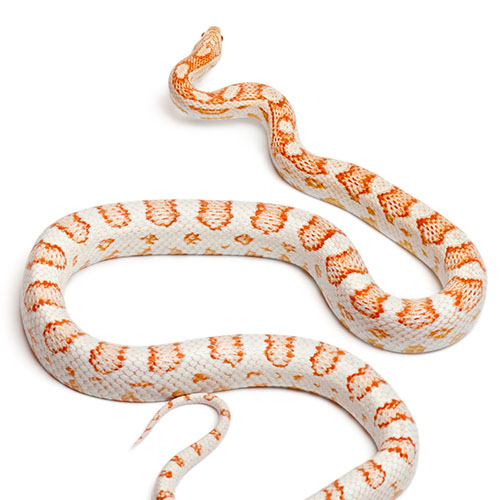
One of the exciting aspects of breeding corn snakes is the wide variety of color and pattern morphs available. Corn snake enthusiasts often breed for specific morphs, such as albino, snow, ghost, or Okeetee. Understanding basic genetics and inheritance patterns will allow you to produce the morphs you desire.
2. Preparing for Breeding Season
Corn snakes typically breed in the spring after a period of winter brumation, which mimics the natural conditions they would experience in the wild.
Brumation
Brumation is a state of reduced metabolic activity that is similar to hibernation but occurs in reptiles. Brumating your snakes encourages successful breeding. To prepare for brumation, follow these steps:
- Timing: Begin brumation in late autumn or early winter (November–January).
- Temperature: Gradually lower the temperature in your snakes’ enclosure to around 10–15°C (50–60°F). You can do this by turning off heat lamps or placing the enclosure in a cooler room.
- Duration: Brumation lasts for approximately 8 to 12 weeks. During this time, reduce feeding as the snakes’ metabolic rate will slow down, and they won’t require as much energy. Offer water regularly to prevent dehydration.
Before beginning brumation, ensure that both snakes have emptied their stomachs completely to avoid any risk of impaction. After brumation, slowly warm up the enclosure and resume normal feeding before attempting to breed.
Introducing the Snakes for Mating
After brumation, your snakes will be ready to mate. The breeding season for corn snakes typically begins in early spring, around March or April. Follow these steps for a successful introduction:
- Check Readiness: Males will begin to display increased activity and search for females. Females will shed their skin shortly after brumation, indicating they are ready for mating.
- Introduce the Pair: Place the male and female corn snake together in a clean enclosure. Monitor them closely to ensure there are no signs of aggression.
- Mating Behaviour: The male will typically court the female by flicking his tongue and aligning his body with hers. He will then attempt to position his tail under hers to copulate. If the female is receptive, she will allow the male to mate with her, and copulation will occur. The mating process can last anywhere from a few minutes to several hours.
Multiple Matings
It is often beneficial to allow the snakes to mate multiple times over the course of several days to increase the chances of fertilization. After mating, you can separate the pair, but monitor the female for signs of pregnancy (gravidness).
Post-Mating Care
Once mating is complete, provide your snakes with proper care to ensure the health of the female during gestation.
- Feeding: Increase the female’s food intake slightly, offering her nutritious meals of appropriately sized prey (like mice) to support the energy demands of egg development.
- Monitor Health: Keep an eye on the female for signs of being gravid, which include swelling in the midsection and changes in behaviour, such as increased basking time. A gravid female may also become less interested in food as she nears egg-laying time.
Laying Eggs
Nest Box
Create a suitable egg-laying box (or nest box) where the female can deposit her eggs. The nest box should include:
- A plastic or wooden container large enough for the female to enter and turn around comfortably.
- Damp sphagnum moss or vermiculite to maintain humidity and encourage egg-laying.
- A hole large enough for the female to access the box.
Place the nest box in a warm part of the enclosure, with temperatures between 27–30°C (80–85°F). Check the box regularly as the female will often seek out a quiet, humid place to lay her eggs.
Corn snakes typically lay their eggs 30 to 45 days after mating. During this time, it’s essential to provide the female with a suitable egg-laying environment.
Egg Laying
The female will typically lay her eggs in one sitting, which can take several hours. Once the eggs are laid, gently remove the female from the enclosure and relocate the eggs to an incubator.
Incubating the Eggs
Proper incubation is critical to the development of the corn snake embryos. Follow these steps to incubate the eggs successfully:
Setting Up an Incubator
- Temperature: The ideal incubation temperature for corn snake eggs is 27–29°C (80–84°F). Temperatures higher than 30°C (86°F) or lower than 25°C (77°F) can harm the developing embryos.
- Humidity: Maintain humidity levels at 80–90%. You can achieve this by placing the eggs on a bed of damp vermiculite or perlite, ensuring the substrate is moist but not waterlogged. The eggs should be half-buried in the substrate to prevent them from drying out.
Incubation Duration
Corn snake eggs typically take between 55 and 65 days to hatch, depending on the temperature and humidity levels. During this time, monitor the incubator daily to ensure consistent conditions.
Hatching and Hatchling Care
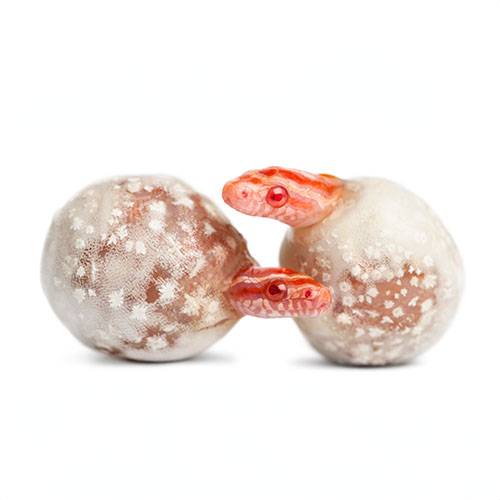
As the eggs near the end of the incubation period, you will notice the hatchlings beginning to pip (cutting through the eggshell using their egg tooth). This process can take several hours or even a couple of days.
Hatching
Allow the hatchlings to emerge from the eggs naturally. Do not attempt to assist them unless it’s absolutely necessary, as interfering can harm the delicate hatchlings. Once they have emerged, they will likely rest for several hours to a day before becoming active.

Setting Up Hatchling Enclosures
Set up individual enclosures for each hatchling to prevent cannibalism and to ensure you can monitor their growth and feeding habits. Each hatchling enclosure should include:
- Paper towel or reptile carpet as a substrate for easy cleaning.
- A small hide box.
- A shallow water dish.
First Shed and Feeding
Corn snake hatchlings will shed their skin for the first time approximately 7–10 days after hatching. Once they have shed, you can offer them their first meal, typically a pinky mouse. Most hatchlings will readily eat after their first shed, but some may require time before they start feeding.
Breeding corn snakes can be a highly rewarding experience, but it requires careful planning, attention to detail, and a commitment to the health and well-being of both the breeding snakes and their offspring. By following the steps outlined in this guide—from selecting healthy breeding pairs to caring for the hatchlings—you can successfully breed corn snakes and experience the joy of seeing these beautiful creatures thrive under your care.
References
Cannon, J. (2014). Corn Snake Morphs: Understanding the Basics. The Vivarium Journal, 9(1), 12-15.
McCurley, D. (2012). Corn Snakes: The Comprehensive Owner’s Guide. Advanced Vivarium Systems.
Bartlett, R. D., & Bartlett, P. P. (2006). Corn Snakes: A Complete Guide to Care and Breeding. Barrons.
Greene, H. W. (1997). Snakes: The Evolution of Mystery in Nature. University of California Press.
Cox, M. J., & Smith, J. (2009). The Reproductive Biology of Snakes. In Reproductive Biology and Phylogeny of Snakes (pp. 35-72). Science Publishers.
Kahl, M. P. (1980). Breeding the Corn Snake. Reptile Hobbyist Magazine, 4(2), 50-57.
Pritchett, J. (2016). Corn Snake Care and Breeding. Herpetological Review, 47(4), 505-509.
Dwyer, D. (2015). Understanding Corn Snake Genetics. Reptiles Magazine.
Vogt, P. (2010). The Complete Guide to Corn Snakes. Exotic Pets Magazine, 15(3), 22-29.