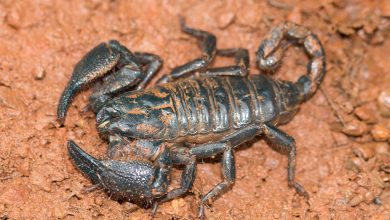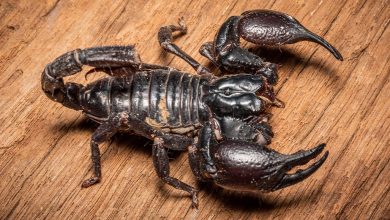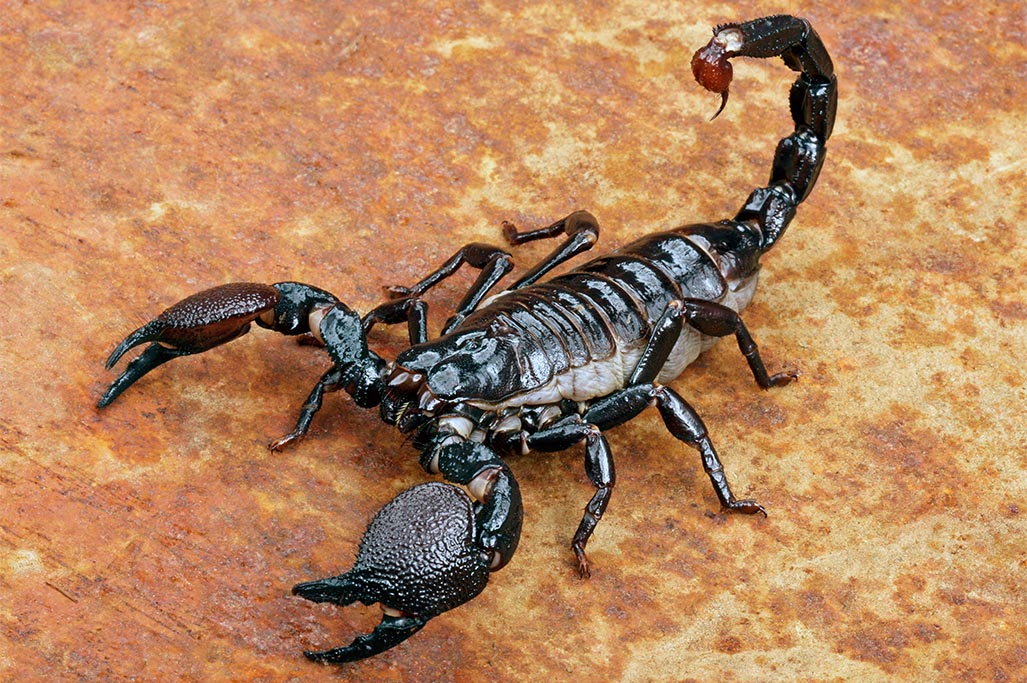
Maintaining a clean and healthy environment for your emperor scorpion is crucial for its well-being. A properly cleaned terrarium not only enhances the aesthetic appeal of your habitat but also promotes the health of your scorpion by reducing the risk of disease and stress. However, the question remains: how often should you clean your emperor scorpion terrarium? This article will delve into the cleaning process, its importance, and a recommended cleaning schedule for your terrarium.
Understanding the Emperor Scorpion’s Habitat
Emperor scorpions (Pandinus imperator) are native to the humid rainforests of West Africa, where they thrive in dark, moist environments. They typically live in burrows or under leaf litter, so replicating this habitat in captivity is essential. A well-maintained terrarium should mimic these conditions, offering hiding spots, appropriate substrate, humidity, and temperature levels.
Importance of Regular Cleaning
Health and Hygiene: Emperor scorpions are generally hardy creatures, but their health can be compromised if their living environment is dirty. Waste materials, uneaten food, and organic debris can lead to bacterial growth, parasites, and fungal infections.
Stress Reduction: A cluttered or dirty terrarium can cause stress to your scorpion, leading to abnormal behaviours such as excessive hiding or aggression. Regular cleaning can provide a calm and secure environment.
Preventing Mould and Odours: Stale food and waste can promote mould growth and unpleasant odours. Regular cleaning helps eliminate these issues, creating a more pleasant environment for both the scorpion and the owner.
Recommended Cleaning Schedule
While the frequency of cleaning may vary based on individual circumstances, a general cleaning schedule can be outlined as follows:
Daily Checks
- Visual Inspection: Each day, take a moment to observe your scorpion and its habitat. Look for signs of uneaten food, waste, or any changes in behaviour that may indicate stress or illness.
- Remove Uneaten Food: If you notice uneaten food items, remove them promptly to prevent decay and attract pests.
Weekly Maintenance
- Spot Cleaning: Once a week, conduct a more thorough inspection and remove any waste materials, shed exoskeletons, or leftover food. Use a pair of tweezers or gloves to minimise direct contact with the substrate.
- Substrate Aeration: If you are using a substrate like coconut fibre or soil, aerate it lightly during your weekly cleaning. This helps prevent compaction, promotes healthy microbial activity, and allows for moisture retention.
Monthly Deep Clean
- Total Substrate Change: Every month, consider replacing the substrate entirely. This is particularly important if the substrate has become compacted or excessively soiled.
- Terrarium Components: Clean all decorations, hides, and accessories with warm water and a soft brush. Avoid using harsh chemicals, as these can be harmful to your scorpion. If necessary, a mild bleach solution can be used, but it must be thoroughly rinsed and dried before reintroducing any items to the terrarium.
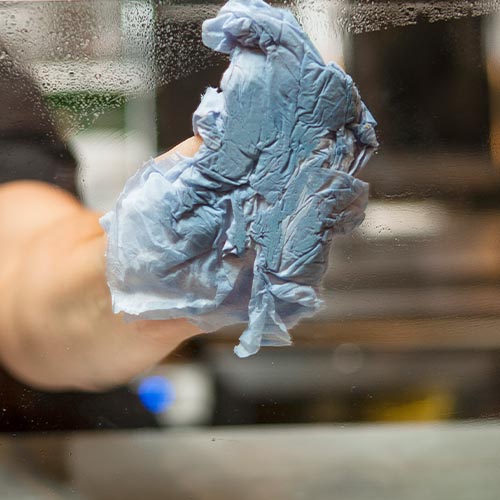
- Glass Cleaning: Clean the glass panels of the terrarium with a reptile-safe cleaner or a vinegar solution. Ensure that no residue remains, as this can be harmful to your scorpion.
- Humidity and Temperature Check: After the deep clean, ensure that the humidity and temperature levels are within the appropriate range (around 70-80% humidity and 24-30°C). Adjust as needed.
Signs Your Terrarium Needs More Frequent Cleaning
While a general schedule can guide your cleaning routine, it’s essential to remain observant. Some signs may indicate that your terrarium requires more frequent cleaning:
- Foul Odour: If you detect an unpleasant smell, it may be time for a thorough clean, regardless of your scheduled maintenance.
- Visible Waste Accumulation: If you notice a significant amount of waste or uneaten food accumulating, increase your cleaning frequency until the issue is resolved.
- Mould Growth: If you see any signs of mould, act quickly. Remove the affected substrate or items, clean the area thoroughly, and address any underlying humidity issues.
Best Practices for Cleaning Your Terrarium
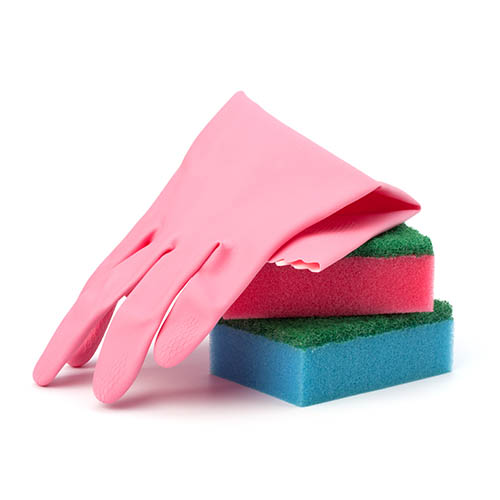
Gather Your Supplies: Before starting, gather the necessary cleaning supplies, including tweezers, gloves, a soft brush, a bucket for waste, and any cleaning solutions you may need (ensure they are safe for invertebrates).
Work Carefully: Handle your scorpion with care during cleaning, especially when doing a deep clean. If you need to remove your scorpion temporarily, do so gently and place it in a secure, separate container.
Minimise Stress: Try to clean the terrarium during a time when your scorpion is less active (usually in the evening). This helps minimise stress and disturbance.
Use Safe Cleaning Products: Always opt for non-toxic cleaners. Reptile-safe cleaning products are available in pet shops and online.
Observe Your Scorpion: After cleaning, monitor your scorpion for any signs of stress or unusual behaviour. It may take some time for it to adjust to the changes in its environment.
Cleaning your emperor scorpion terrarium is essential for the health and well-being of your pet. By following a regular cleaning schedule—daily checks, weekly spot cleaning, and monthly deep cleans—you can create a safe and healthy habitat for your scorpion. Always remain attentive to your pet’s needs and adjust your cleaning routine as necessary.
References
Morris, R. (2022). “Cleaning Your Scorpion’s Terrarium: Best Practices.” Exotic Pet Care Online. exoticpetcareonline.com.
Kohler, F. (2016). Scorpions: A Complete Guide to the Fascinating Creatures. New York: Penguin Books.
R. A. B., & H. T. (2018). The Essential Guide to Keeping Scorpions. London: Reptile Books.
Peterson, C. (2020). “How to Maintain a Healthy Terrarium Environment for Your Scorpion.” Reptiles Magazine. reptilesmagazine.com.
Holland, L. (2019). “Scorpion Care: Habitat, Feeding, and Handling.” Amateur Herpetologist Journal. amateurherpetologist.com.
Smith, J. (2021). “Keeping Scorpions: Tips and Tricks for Success.” Herpetological Review. herpetologicalreview.com.