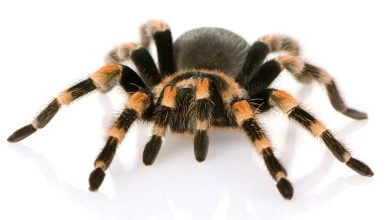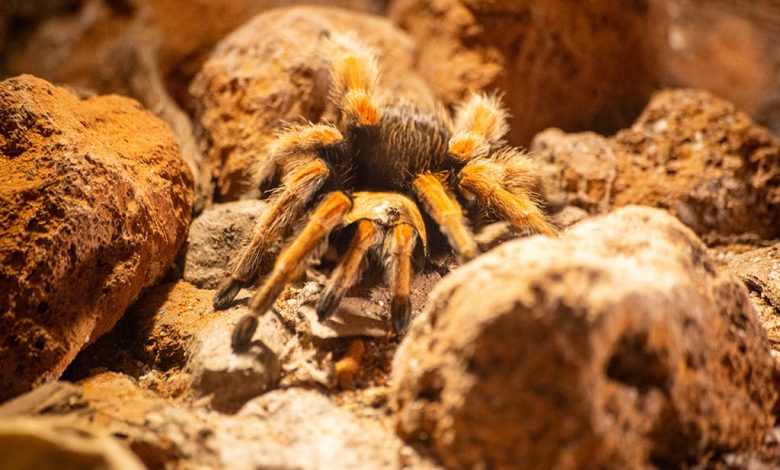
Tarantulas are fascinating arachnids that have gained popularity as exotic pets. Despite their hardy nature, these creatures can face a variety of health challenges. This article outlines common health issues affecting tarantulas, their symptoms, causes, and potential treatments, helping keepers ensure the well-being of their pet tarantulas.

Dehydration
- Symptoms: A shrivelled or shrunken abdomen, lethargy, and inactivity. Tarantulas suffering from dehydration may appear weak and unable to climb or move normally.
- Causes: Insufficient water availability, low humidity, or inadequate prey offering (as prey provides moisture). Over-ventilated enclosures can exacerbate the issue.
- Treatment: Provide fresh water in a shallow dish. For severe dehydration, gently rehydrate using a water-soaked cotton swab near the tarantula’s mouthparts. Adjust enclosure humidity levels to prevent recurrence. Symptoms often improve within hours of proper hydration.
Moulting (Ecdysis) Complications
- Symptoms: Difficulty shedding old exoskeleton, partial removal of appendages, or immobility. Moulting issues can be fatal if not addressed promptly.
- Causes: Low humidity, stress, or inadequate nutritional reserves can hinder the moulting process.
- Prevention & Treatment: Ensure a humidity level above 60% and provide a stress-free environment. If the tarantula struggles, carefully assist by moistening the affected areas with a damp brush. Avoid leaving prey items in the enclosure during moulting as they may harm the vulnerable tarantula. Severely stuck specimens may require euthanasia if recovery is not viable.
Bacterial and Fungal Infections
- Symptoms: Visible growths, such as white or yellow plumes, especially on the abdomen, carapace, or legs. Bacterial infections may also cause lethargy, loss of appetite, and respiratory issues.
- Causes: Poor hygiene in the enclosure, excessive humidity, or poor ventilation. Common fungal pathogens include Aspergillus, causing respiratory problems.
- Treatment: Relocate the tarantula to a clean, dry, and well-ventilated enclosure. Apply topical antifungal solutions such as Betadine to affected areas. Severe infections affecting internal organs often lead to fatal outcomes.
Parasitic Infestations
- Symptoms: Visible mites or nematodes, behavioural changes, or loss of appetite.
- Causes: Contaminated substrate, poor hygiene, or introduction of infected prey or decor items.
- Treatment: Isolate the tarantula in a clean environment and consult a veterinarian for antiparasitic treatments. Regular cleaning and use of sterile substrates can prevent reinfestation.

Nutritional Deficiencies
- Symptoms: Weakness, lethargy, or failure to thrive.
- Causes: An imbalanced diet lacking in variety or improper gut-loading of prey items.
- Treatment: Offer a diverse range of prey and gut-load feeder insects with nutritious food. Consider dusting prey with calcium or vitamin supplements for species that require additional nutrients.
Respiratory Issues
- Symptoms: Lethargy, decreased activity, or difficulty climbing.
- Causes: High ammonia levels from decaying organic matter, poor ventilation, or dusty substrates.
- Prevention & Treatment: Regularly clean the enclosure, replace substrate as needed, and use materials that are non-dusty and free from harmful chemicals. Ensure adequate ventilation.
Trauma
- Symptoms: Visible wounds, loss of limbs, or abnormal posture.
- Causes: Falls, improper handling, or enclosure hazards such as sharp objects.
- Treatment: Isolate the tarantula in a “hospital” tank with minimal stress and optimal conditions for healing. Missing limbs often regenerate over successive moults.
Tarantula Paralysis Virus (TPV)
- Symptoms: Lethargy, tremors, and paralysis.
- Causes: Viral infections, though not fully understood, are suspected to be associated with stress and compromised immunity.
- Treatment: Unfortunately, there is no known cure for TPV. Preventative care, such as reducing stress and maintaining optimal living conditions, is critical.
Environmental Stress
- Symptoms: Excessive hiding, refusal to eat, or frantic climbing.
- Causes: Improper enclosure setup, exposure to bright light, loud noise, or frequent handling.
- Treatment: Minimise disturbances, provide sufficient hiding spaces, and ensure appropriate lighting and temperature settings.

General Preventative Measures
- Habitat Maintenance: Regularly clean and disinfect enclosures, and maintain species-specific humidity and temperature.
- Dietary Balance: Provide a varied and nutritious diet, gut-loading prey when necessary.
- Observation: Monitor your tarantula for behavioural changes or physical abnormalities.
- Veterinary Care: Seek exotic animal specialists for professional advice when health issues arise.
By understanding and addressing these common health issues, tarantula keepers can ensure the longevity and well-being of their fascinating pets.
References
- Common Tarantula Health Problems – Tarantulas Wild Tarantula World
- Common Health Issues in Tarantulas – JiYu Tarantula Digest 积玉工作室
- Giant Spiders Ailments and Treatments – Giant Spiders giantspiders.com – Home