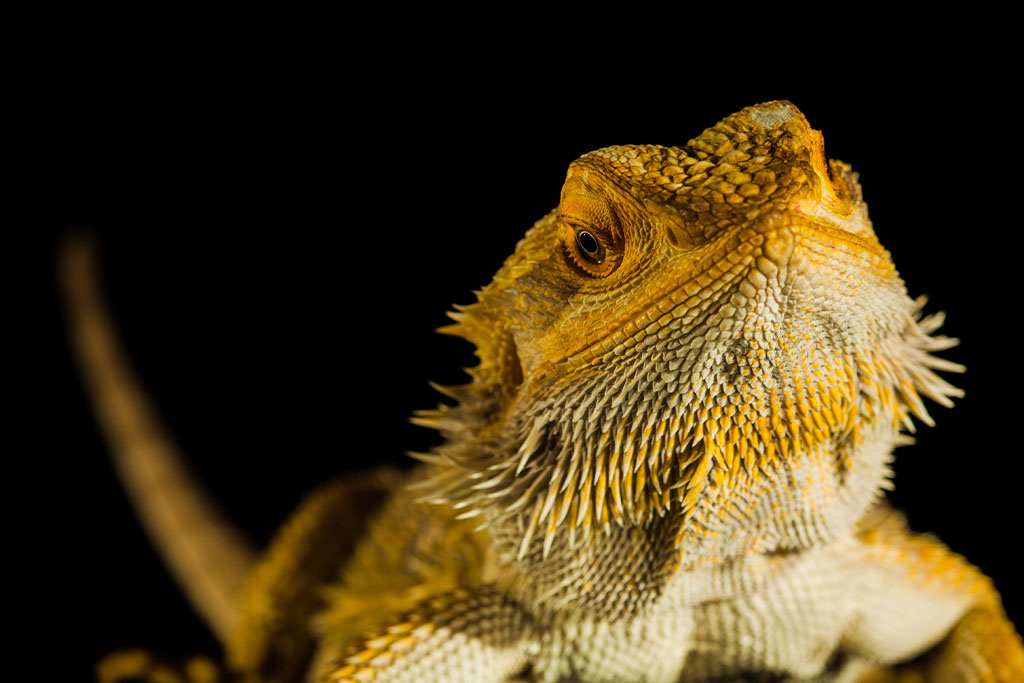
Bearded Dragon Temperature and Humidity: Essential Care for Optimal Health

Bearded dragons (Pogona vitticeps) are popular reptiles known for their docile nature, vibrant colours, and ease of care, making them ideal pets for both novice and experienced reptile enthusiasts. However, successful bearded dragon husbandry relies heavily on replicating their natural habitat, particularly in terms of temperature and humidity. Understanding the importance of these environmental factors is crucial for the health and well-being of your bearded dragon. This article will explore the optimal temperature and humidity ranges for bearded dragons, the consequences of improper environmental conditions, and tips for maintaining the ideal habitat.
Natural Habitat and Environmental Needs
Bearded dragons are native to the arid and semi-arid regions of Australia, where they are typically found basking in the sun or hiding among rocks and vegetation. Their natural environment experiences significant temperature fluctuations between day and night, as well as changes in humidity levels depending on the season. To thrive in captivity, bearded dragons require a carefully controlled habitat that mimics these conditions.

Temperature Requirements
Bearded dragons are ectothermic creatures, meaning they rely on external heat sources to regulate their body temperature. This makes it crucial to provide a proper temperature gradient within their enclosure. The temperature range can be divided into three zones: the basking area, the cool area, and the ambient temperature.
Basking Area
The basking area is the warmest part of the enclosure and should be equipped with a heat source, such as a basking lamp or ceramic heat emitter. This zone is essential for thermoregulation, digestion, and overall health.
- Measurement: Use a digital thermometer with a probe to accurately gauge the temperature at the basking spot.
- Optimal Temperature: The basking spot should reach between 38°C and 43°C (100°F to 110°F).
Cool Area
The cool side of the enclosure provides a lower temperature where bearded dragons can retreat when they need to cool down.
- Optimal Temperature: This area should range from 24°C to 30°C (75°F to 86°F).
- Importance: A cooler area helps prevent overheating and allows the bearded dragon to regulate its body temperature effectively.
Ambient Temperature
The ambient temperature within the enclosure should fall between the basking and cool areas, creating a gradient that allows the bearded dragon to move freely and choose its preferred temperature.
- Optimal Temperature: The general ambient temperature should be around 27°C to 32°C (80°F to 90°F).
Night-time Temperatures
At night, bearded dragons can tolerate cooler temperatures, although extreme drops can cause stress.
- Optimal Nighttime Temperature: Ideally, the nighttime temperature should not fall below 18°C (65°F) and can be as low as 21°C (70°F).
Consequences of Improper Temperature
Maintaining the correct temperature gradient is crucial for the health of bearded dragons.
- Hypothermia: If the temperature drops too low, it can lead to metabolic slowdown, lethargy, and weakened immune function.
- Hyperthermia: Conversely, if the basking area is too hot, it can cause overheating, dehydration, and even organ failure.
- Digestive Issues: Bearded dragons rely on heat to digest their food. Inadequate basking temperatures can lead to impaction and other digestive problems.
Humidity Requirements
In addition to temperature, humidity is another critical factor that impacts the health of bearded dragons. Although they originate from dry habitats, they still require a certain level of humidity to thrive.

Optimal Humidity Levels
- Ideal Humidity Range: The ideal humidity level for bearded dragons is between 30% and 40%.
- Measurement: Use a hygrometer to monitor humidity levels in the enclosure. Digital hygrometers are typically more accurate than analog models.
Importance of Humidity
Maintaining appropriate humidity levels is vital for several reasons:
- Respiratory Health: Low humidity can lead to respiratory issues and skin shedding problems.
- Hydration: Proper humidity levels aid in the hydration of the bearded dragon’s skin, which helps prevent shedding issues.
- Breeding: For breeding purposes, higher humidity levels (up to 60%) may be beneficial during the mating season.
Consequences of Improper Humidity
Just like temperature, incorrect humidity levels can lead to health issues in bearded dragons:
- Low Humidity: Low humidity can result in dehydration, shedding problems (dysecdysis), and increased susceptibility to respiratory infections.
- High Humidity: Excessively high humidity can lead to respiratory issues, such as pneumonia, and can encourage the growth of harmful bacteria and fungi.
Tips for Maintaining Temperature and Humidity
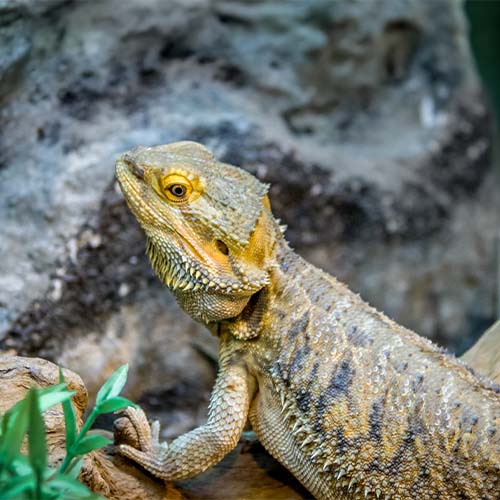
Successfully maintaining the right temperature and humidity levels in your bearded dragon’s habitat requires careful planning and ongoing monitoring. Achieving the ideal conditions is crucial for your dragon’s health, as it impacts digestion, shedding, and overall well-being. Here are some effective tips to help you create and sustain the optimal environment for your bearded dragon:
Choose the Right Enclosure
- Heat Sources: Install appropriate heating equipment, such as basking lamps, ceramic heat emitters, or heat mats. Ensure that the heat sources are positioned to create a gradient.
- Size and Type: A well-ventilated terrarium or reptile enclosure should be large enough for your bearded dragon to move around and explore. A minimum vivarium size of 4ft (75 gallons) is recommended for an adult bearded dragon.
Monitor Regularly
- Use Quality Equipment: Invest in high-quality thermometers and hygrometers to monitor both temperature and humidity accurately.
- Daily Checks: Regularly check and record temperature and humidity levels to ensure they remain within the optimal range.
Create a Proper Environment
- Basking Spot: Position the basking lamp over a designated area to create a concentrated heat source.
- Cool Area: Ensure there are hiding spots, such as caves or foliage, where your bearded dragon can escape the heat.
Adjust as Needed
- Seasonal Changes: Be mindful of seasonal fluctuations in temperature and humidity, and make necessary adjustments to maintain ideal conditions.
- Humidity Control: If humidity levels drop, you can mist the enclosure lightly or place a water bowl for the dragon to soak in. Ensure the water is shallow to prevent drowning.
Hydration
- Water Availability: Provide fresh, clean water at all times. Offer a shallow dish for drinking and soaking, as bearded dragons may enjoy soaking in water to hydrate themselves.
Creating an optimal environment for your bearded dragon requires a commitment to understanding and managing temperature and humidity levels. By replicating their natural habitat, you ensure your pet remains healthy, happy, and thriving. Remember to regularly monitor conditions, provide appropriate equipment, and make necessary adjustments to maintain the ideal balance. With proper care, your bearded dragon will be a vibrant and engaging companion for years to come.
References
Frye, F. L. (1991). Reptile Care: A Comprehensive Guide to the Care and Breeding of Pet Reptiles. Barron’s Educational Series.
Mason, R. T., & Mader, D. R. (2007). Reptile Medicine and Surgery. Saunders Elsevier.
Stevens, C. (2015). Bearded Dragons: The Complete Guide to Keeping and Caring for Bearded Dragons as Pets. CreateSpace Independent Publishing Platform.
Gregory, D. M. (2011). “Thermoregulation in Reptiles.” In Physiological Ecology of Reptiles, 55-75.
Peterson, C. A. (2004). “The Effect of Temperature on Growth and Development in Reptiles.” In Herpetological Conservation and Biology, 123-129.
Reptiles Magazine. (2021). “Bearded Dragon Care Sheet.” Reptiles Magazine. reptilesmagazine.com.