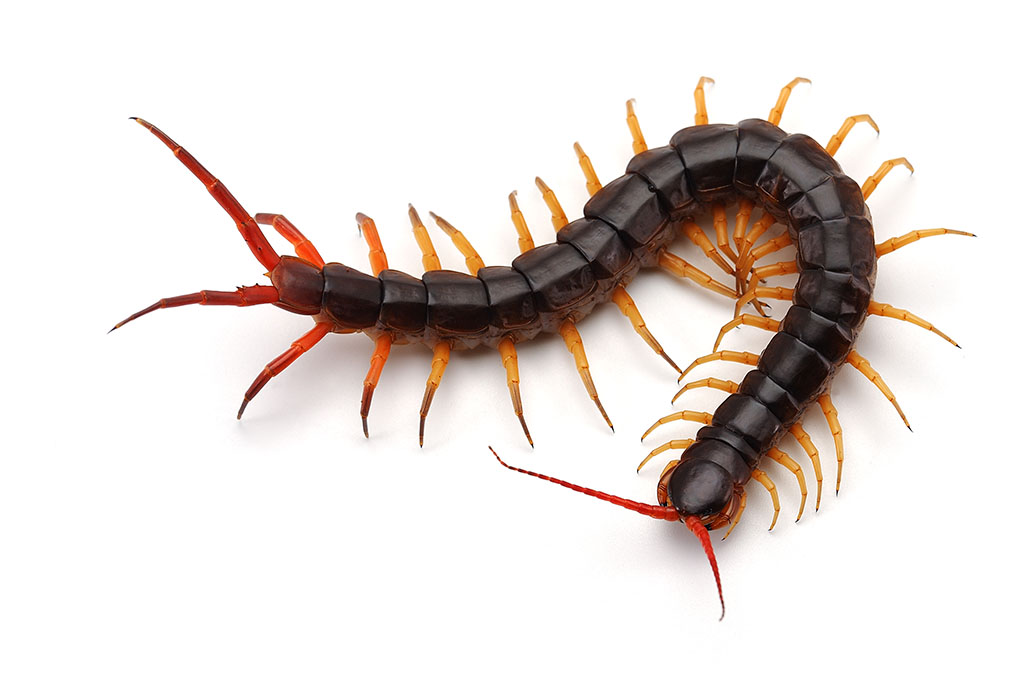
Top Ten Essential Supplies for a Giant Tropical Centipede

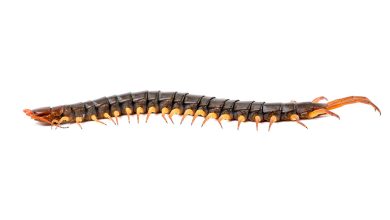
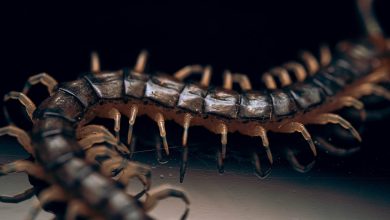
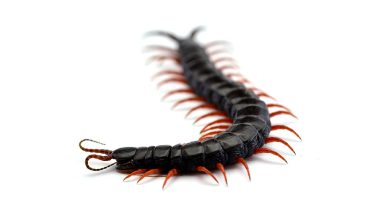
Keeping a Giant Tropical Centipede (Scolopendra gigantea) as a pet can be a rewarding and fascinating experience. Known for their impressive size and vibrant colours, these arthropods can live for several years in captivity when cared for correctly. However, to provide a suitable environment for your centipede, you must be well-equipped with the right supplies. This article outlines the top ten essential supplies you will need to ensure the well-being and longevity of your Giant Tropical Centipede.
Terrarium or Enclosure
Why You Need It:
The first and most crucial supply is a suitable terrarium or enclosure. A Giant Tropical Centipede requires ample space to move, burrow, and explore.
Recommended Specifications:
- Size: A minimum of 18 inch long enclosure (10-20 gallons) is recommended for a single centipede. However, larger enclosures will provide more enrichment.
- Material: Glass terrariums are preferred as they allow for good visibility and insulation.
- Ventilation: Ensure your enclosure has adequate ventilation to prevent humidity build-up and ensure a healthy environment.
Substrate
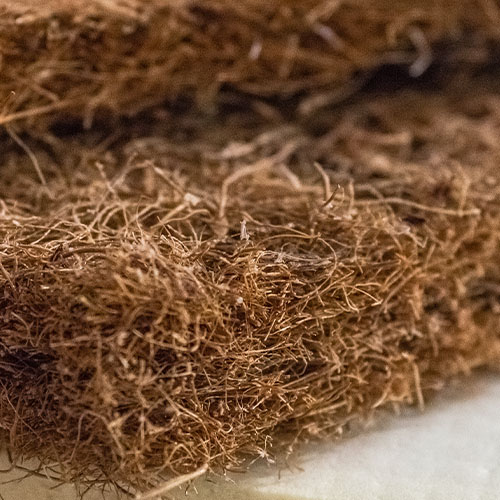
Why You Need It:
The substrate is crucial for mimicking the centipede’s natural habitat. It allows for burrowing, which is essential for their comfort and well-being.
Recommended Substrates:
- Coconut Fibre: This is an excellent choice due to its moisture-retaining properties.
- Sphagnum Moss: It can be mixed with coconut fibre to enhance humidity and provide a natural feel.
- Pre-packed Invertebrate Substrate: Often contains a mix of safe soil, coco coir and vermiculite.
- Topsoil: Organic topsoil can also be used, but ensure it is free from pesticides and chemicals.
Layering:
Aim for a substrate depth of at least 4-6 inches to allow your centipede to burrow.
Humidity and Temperature Control
Why You Need It:
Giant Tropical Centipedes thrive in warm, humid environments. Maintaining the right humidity and temperature levels is critical for their health.
Equipment Needed:
- Thermometer: To monitor temperature accurately; keep the enclosure between 24°C to 29°C (75°F to 85°F).
- Hygrometer: To measure humidity; levels should be maintained between 60-80%.
- Heat Mat or Pad: Placing a heat mat under one side of the enclosure will provide a temperature gradient.
- Misting Bottle: Use this to spray water onto the substrate and maintain humidity levels.

Hiding Spots
Why You Need It:
Giant Tropical Centipedes are primarily nocturnal and need hiding spots to feel secure. In the wild, they often hide under rocks or leaf litter.
Recommended Hiding Spots:
Plants: Incorporate live or artificial plants to create a more natural environment.
Cork Bark: This is a popular choice as it mimics natural hiding spots and provides a unique aesthetic.
Artificial Caves: Purchase or create caves using materials like terracotta pots or PVC pipes.
Water Dish
Why You Need It:
A shallow water dish is essential for hydration. While centipedes get moisture from their food, they still require a source of water.
Recommended Specifications:
- Shallow and Stable: Choose a dish that’s shallow to prevent drowning and stable enough not to tip over.
- Material: Use a ceramic or heavy plastic dish to avoid accidents.
Maintenance:
Change the water regularly to keep it clean and free from debris.
Food
Why You Need It:
Giant Tropical Centipedes are carnivorous and require a protein-rich diet to thrive.
Recommended Foods:
- Live Insects: Crickets, roaches, and mealworms are great options. Make sure they are appropriately sized for your centipede.
- Prey Size: It’s crucial to provide prey that is no larger than the width of the centipede’s body.
Feeding Frequency:
Feed your centipede every few days, adjusting based on its appetite and size.
Calcium and Vitamin Supplements
Why You Need It:
While Giant Tropical Centipedes primarily consume insects, providing a balanced diet is essential for their health.
Recommended Supplements:
- Calcium Powder: Dust the live insects with calcium powder before feeding.
- Vitamin Supplement: Use a reptile vitamin supplement periodically to ensure a well-rounded diet.
Handling Equipment
Why You Need It:
While handling Giant Tropical Centipedes can be dangerous due to their venomous bite, having the right tools can make the process safer.
Recommended Tools:
- Feeding Tongs: Long feeding tongs will help you place food in the enclosure without risking a bite.
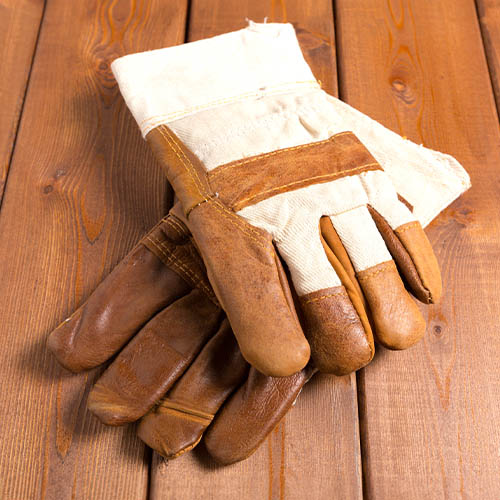
- Gloves: If you need to handle your centipede, wear thick gloves for protection.
- Container: Have a secure container ready if you need to move the centipede temporarily.
Cleaning Supplies
Why You Need It:
Maintaining a clean environment is essential for the health of your centipede. Regular cleaning helps prevent mould and bacterial growth.
Recommended Cleaning Supplies:
- Sponge or Cloth: For spot cleaning.
- Small Scraper: To remove any stubborn debris.
- Disinfectant: Use a non-toxic reptile-safe disinfectant to clean surfaces.
Cleaning Schedule:
Establish a regular cleaning routine, such as weekly spot cleaning and monthly thorough cleanings.
Lighting
Why You Need It:
While Giant Tropical Centipedes are primarily nocturnal and do not require specific lighting conditions, low-level lighting can help maintain a day-night cycle.
Recommended Lighting:
- Low-Wattage Bulb: Use a low-wattage incandescent or LED bulb if you want to simulate a day-night cycle.
- Avoid Bright Lights: Direct bright light can stress your centipede; ensure that any light used is indirect.
Caring for a Giant Tropical Centipede requires careful planning and the right supplies. By equipping yourself with the essentials listed above, you can create a comfortable and enriching environment for your pet. Remember that while these creatures can be fascinating to observe, they also require respect and understanding of their natural behaviours. With proper care, your Giant Tropical Centipede can thrive for years, bringing you joy and intrigue.
References
Hargreaves, A. (2019). Keeping Centipedes: A Comprehensive Guide. Reptile Magazine.
Myers, S. (2021). Exotic Pets: A Beginner’s Guide to Care and Maintenance. Exotic Animal Network.
Wysocki, M. (2020). Understanding the Natural History of Giant Centipedes. Invertebrate Zoology Journal.
Snider, J. (2018). Caring for Your Centipede: Enclosure and Habitat Setup. Arachnoculture.
Miller, T. (2022). Feeding Your Centipede: A Nutritional Guide. The Invertebrate Keeper’s Handbook.