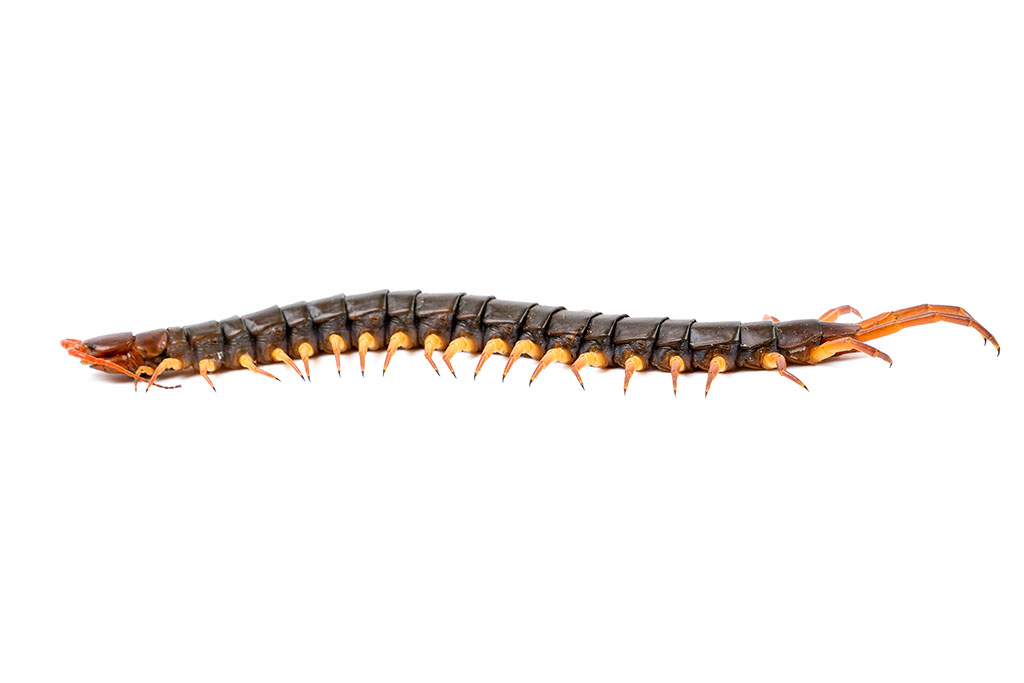
Giant tropical centipedes, belonging to the class Chilopoda, are fascinating creatures that have captured the interest of scientists and naturalists for centuries. Known for their elongated bodies and numerous legs, these arthropods can be found in various tropical environments worldwide. Their unique adaptations, predatory behaviours, and ecological significance make them a vital part of their ecosystems. This article delves into the history of giant tropical centipedes, exploring their evolution, taxonomy, habitat, interactions with humans, and the role they play in biodiversity.
Evolution and Taxonomy
Centipedes are ancient creatures that have existed for over 400 million years, making them some of the oldest terrestrial arthropods. The origins of the class Chilopoda can be traced back to the Silurian period, where they likely evolved from marine ancestors. As land became more habitable, these organisms adapted to terrestrial life, evolving traits that allowed them to thrive in diverse habitats.
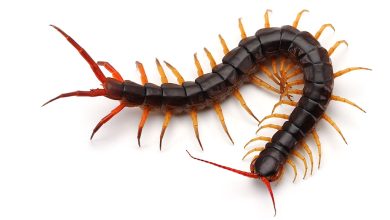
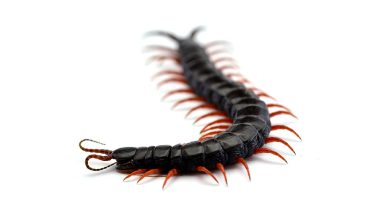
The taxonomy of centipedes is complex, with over 3,300 species classified into several orders, including Scutigeromorpha (house centipedes), Lithobiomorpha (stone centipedes), and Scolopendromorpha (giant centipedes). The giant tropical centipede belongs primarily to the Scolopendromorpha order. This order includes the most well-known species, Scolopendra gigantea, which can grow up to 30 centimetres (about 12 inches) in length. The species is commonly found in Central and South America, as well as in parts of the Caribbean.
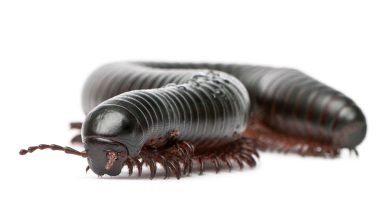
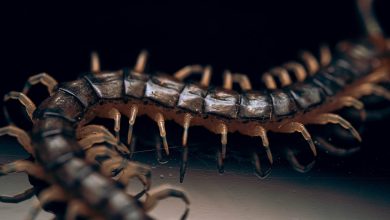
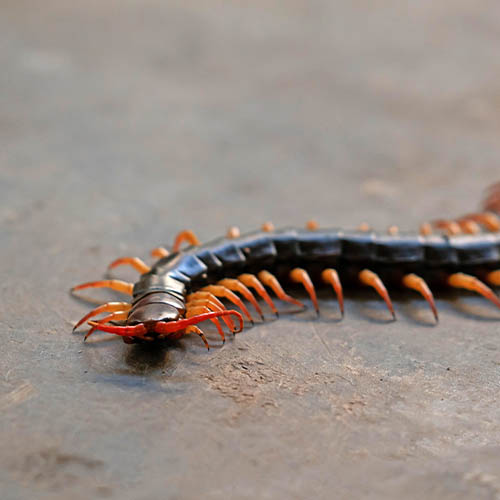
The distinguishing characteristics of giant tropical centipedes include their long, segmented bodies, which are typically reddish-brown to yellow in colour, and their numerous legs—each segment typically bears one pair of legs. These features, combined with their unique anatomy, such as venomous fangs and keen senses, contribute to their successful predation of various small animals.
Habitat and Distribution
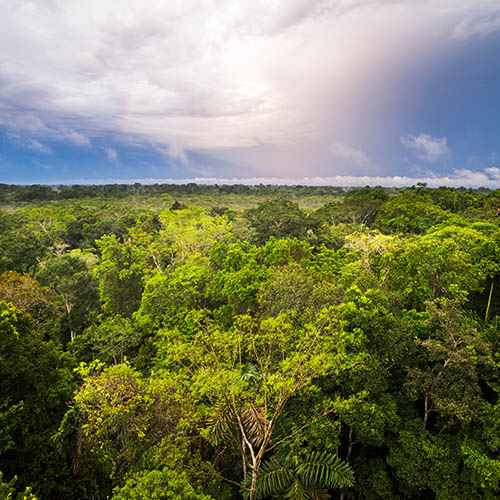
Giant tropical centipedes thrive in humid, tropical environments, preferring habitats such as rainforests, woodlands, and other areas with high moisture levels. They are primarily nocturnal creatures, often hiding under rocks, logs, or leaf litter during the day to avoid desiccation and predators. Their habitats are rich in biodiversity, providing ample opportunities for hunting and reproduction.
The geographical distribution of giant tropical centipedes is vast. Scolopendra gigantea can be found in regions spanning from southern United States to northern South America, including the Amazon rainforest, where the humidity and temperature are conducive to their survival. Other species, such as Scolopendra subspinipes, can be found in Southeast Asia and the Pacific Islands.
The success of giant tropical centipedes in these environments can be attributed to their predatory nature. They are opportunistic hunters, preying on a variety of organisms, including insects, small vertebrates, and other arthropods. Their speed, agility, and venomous bites make them formidable predators, allowing them to occupy a critical niche in their ecosystems.
Behaviour and Ecology
Giant tropical centipedes exhibit fascinating behaviours that reflect their adaptations to their environment. They are agile and quick, using their numerous legs to navigate through their habitat with ease. Their predatory behaviour is marked by ambush tactics, where they use their keen sense of touch and smell to locate prey. Once detected, they strike with lightning speed, injecting venom to immobilise their prey before consumption.
The venom of giant tropical centipedes contains various compounds, including enzymes and neurotoxins, which serve to subdue their prey and deter potential predators. While their venom is potent enough to incapacitate small animals, it is generally not harmful to humans. However, bites can cause significant pain, swelling, and, in some cases, allergic reactions.
In terms of reproduction, giant tropical centipedes are oviparous, laying eggs in soil or leaf litter. The female typically guards her eggs, providing protection until they hatch into miniature versions of the adult centipede. These young centipedes undergo several moults, gradually growing into their adult forms. The lifespan of giant tropical centipedes can vary, with some species living for several years.
Giant tropical centipedes play a crucial role in their ecosystems. As predators, they help regulate populations of insects and other small animals, contributing to the balance of their habitats. Additionally, their interactions with other organisms, including symbiotic relationships with fungi and bacteria, highlight their ecological significance.
Cultural Significance and Interactions with Humans

Giant tropical centipedes have been a part of human culture and folklore for centuries. In various indigenous communities, they are often viewed with a mixture of fascination and fear. Their impressive size and predatory nature have led to numerous myths and stories, portraying them as symbols of power and danger.
In some cultures, centipedes are used in traditional medicine. For instance, in Chinese medicine, centipedes have been believed to possess therapeutic properties and are used to treat various ailments, including inflammation and pain. The practice involves preparing centipede extracts or powders, which are then incorporated into remedies. However, such practices must be approached with caution, as the venomous nature of these creatures can pose risks if not handled properly.
Despite their importance in biodiversity and traditional medicine, giant tropical centipedes often face threats from habitat destruction, climate change, and pesticide use. Deforestation, in particular, poses a significant risk to their populations, as it reduces their available habitats and disrupts their ecological balance. Efforts to conserve tropical rainforests and promote sustainable land use are vital for the protection of giant tropical centipedes and other species within these ecosystems.
Conservation Status
As awareness of the importance of biodiversity grows, efforts to conserve giant tropical centipedes and their habitats have become increasingly important. Although giant tropical centipedes are not currently listed as endangered, their populations are affected by environmental changes and habitat loss. Conservation initiatives aimed at preserving tropical ecosystems contribute to the protection of these remarkable arthropods.
Many conservation organisations focus on raising awareness about the significance of biodiversity and the need to protect natural habitats. Educational programmes that promote the importance of centipedes and other invertebrates in maintaining ecological balance can help foster a greater appreciation for these often-overlooked creatures.
Research into the ecological roles of giant tropical centipedes and their interactions with other species is essential for understanding their contributions to biodiversity. Scientists continue to study these centipedes to gain insights into their behaviour, physiology, and ecological importance, ultimately informing conservation strategies.
The history of giant tropical centipedes is a testament to the resilience and adaptability of life on Earth. These ancient arthropods have evolved over millions of years, developing unique adaptations that allow them to thrive in diverse environments. Their predatory behaviours, ecological significance, and cultural importance highlight the need for continued research and conservation efforts.
As we learn more about these fascinating creatures and the roles they play in their ecosystems, it becomes increasingly clear that protecting their habitats is essential for maintaining biodiversity. Giant tropical centipedes, with their intriguing histories and adaptations, serve as reminders of the complex interconnections within the natural world.
References
Lewis, J. G. E. (2013). The Biology of Centipedes. Cambridge University Press.
Shelley, R. M. (2002). “The centipedes (Chilopoda) of the Caribbean.” Caribbean Journal of Science, 38(3-4), 283-288.
Pereira, L. A., & Ribeiro, G. A. (2014). “Biology and ecology of Scolopendromorpha centipedes in Brazil.” Revista Brasileira de Entomologia, 58(4), 356-365.
C. C. R. B. & Marques, A. C. (2018). “Tropical centipedes: Biology, ecology, and medical significance.” Entomology Today, 22(1), 1-7.
Gullan, P. J., & Cranston, P. S. (2010). The Insects: An Outline of Entomology. 4th ed. Wiley-Blackwell.
Bonato, L. (2010). “Centipede diversity: Biodiversity and distribution of the Scolopendromorpha in the Brazilian Atlantic Forest.” Invertebrate Systematics, 24(1), 27-32.
Liu, J., & Yang, S. (2016). “Phylogenetic relationships and biogeography of Scolopendromorpha (Chilopoda).” Molecular Phylogenetics and Evolution, 103, 128-137.
W. M. M., R. J. H. & A. S. (2015). “The ecology of centipedes: Predation and biodiversity in terrestrial ecosystems.” Ecological Entomology, 40(4), 385-395.
A. R. D. M., & O. L. (2017). “Traditional uses of centipedes in Asian medicine: A review.” Journal of Ethnopharmacology, 201, 191-197.
Johnson, L. C. (2019). “Insect predation in the rainforest: The role of centipedes.” Biology Letters, 15(2), 20180627.