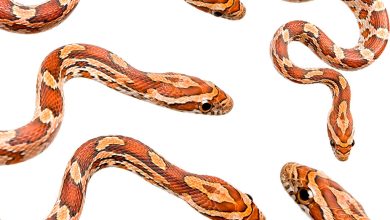
Caring for a corn snake (Pantherophis guttatus) involves understanding its environmental needs, particularly regarding temperature. As ectothermic creatures, corn snakes depend on external heat sources to regulate their body temperature, which is critical for their overall health and wellbeing. When setting up a habitat for a corn snake, choosing the right heating method is vital. Two popular options are heat mats and ceramic heaters. This article will explore the advantages and disadvantages of each, helping you make an informed decision about which heating source is best for your corn snake.
Understanding the Heat Needs of Corn Snakes
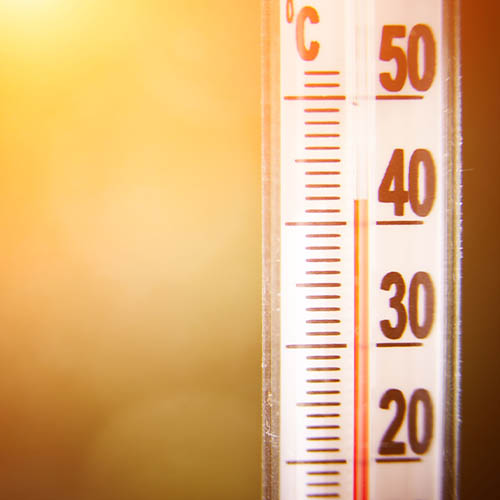
Corn snakes are native to the southeastern United States, where they inhabit a range of environments, including grasslands, forests, and agricultural areas. As a result, they are accustomed to fluctuating temperatures. In captivity, corn snakes require a temperature gradient within their enclosure, allowing them to choose between warmer and cooler areas. The general temperature guidelines for corn snakes are:
- Hot Spot: 28–32°C (82–90°F)
- Cool Side: 21–24°C (70–75°F)
Providing this gradient is essential for their health, as it allows for proper digestion, metabolism, and activity levels. Failure to maintain appropriate temperatures can lead to various health issues, including respiratory infections and digestive problems.
Heat Mats: Overview
Heat mats, also known as under-tank heaters (UTH), are commonly used in reptile husbandry. They are flat, flexible mats that are placed underneath the enclosure to provide heat from below. Heat mats are typically made of plastic or silicone and should be connected to a thermostat for temperature regulation.
Advantages of Heat Mats
- Consistent Heat Distribution
Heat mats provide a gentle, consistent heat source that warms the substrate directly. This heating method mimics natural heat sources, such as the sun warming the ground. - Low Energy Consumption
Compared to other heating methods, heat mats tend to consume less electricity. This can lead to lower energy bills, especially if you have multiple enclosures. - Space-Saving
Heat mats take up minimal space, allowing for larger enclosures or additional accessories without the clutter of bulky heating equipment. - Ease of Use
Setting up heat mats is straightforward. Once connected to a thermostat, they require minimal monitoring and adjustments. - Safe for Enclosures
When properly installed, heat mats can be safe for use in enclosures, with a low risk of burns or overheating.
Disadvantages of Heat Mats
- Limited Heat Area
Heat mats primarily warm the substrate beneath them, which may not effectively heat the entire enclosure. This can create temperature gradients that are too steep, especially if not monitored carefully. - Dependence on Substrate
The effectiveness of heat mats largely depends on the type of substrate used. Some materials may insulate too well, preventing proper heat transfer. - Potential for Overheating
If not used with a thermostat, heat mats can overheat, leading to dangerous conditions for your corn snake. It is crucial to ensure proper temperature regulation. - Reduced Activity Levels
Some keepers report that snakes may become less active when relying solely on heat mats for warmth, as they tend to spend more time in one area.
Ceramic Heaters: Overview

Ceramic heaters, also known as ceramic heat emitters (CHE), are another popular heating option for reptiles. These devices produce heat without light, making them suitable for maintaining night-time temperatures in an enclosure. Ceramic heaters work by emitting infrared radiation, which warms the surrounding air and surfaces.
Advantages of Ceramic Heaters
- Even Heat Distribution
Ceramic heaters provide a more uniform heat distribution throughout the enclosure, creating a more comfortable environment for your corn snake. This allows for better temperature regulation. - Nighttime Heating
Unlike heat mats, ceramic heaters do not emit visible light. This makes them ideal for maintaining temperatures during the night without disrupting the snake’s natural circadian rhythms. - High Heat Output
Ceramic heaters can produce significant amounts of heat, making them suitable for larger enclosures or multiple snakes housed together. - Longevity
These heaters are durable and can last for years, making them a long-term investment for reptile keepers. - Versatile Placement
Ceramic heaters can be positioned in various areas of the enclosure, including overhead, to create a basking area or a warm retreat.
Disadvantages of Ceramic Heaters
- Higher Energy Consumption
Ceramic heaters tend to use more electricity than heat mats, which can increase your energy bills, especially in larger setups. - Increased Risk of Burns
Ceramic heaters can become extremely hot. If a snake comes into direct contact with them, it may result in serious burns. Proper placement and the use of guards or cages around the heater are necessary. - Potential for Overheating
Similar to heat mats, ceramic heaters can overheat if not monitored properly. A thermostat is essential to regulate temperatures. - Bulky Setup
Ceramic heaters can be more cumbersome to install, particularly in smaller enclosures, where space is limited.
Comparing Heat Mats and Ceramic Heaters
When deciding between heat mats and ceramic heaters for your corn snake, consider the following factors:
Heating Method
- Heat Mats: Provide localized heating and are effective for creating a warm substrate. Ideal for providing belly heat and facilitating digestion.
- Ceramic Heaters: Offer a broader heating area and maintain air temperature, making them suitable for larger enclosures or ambient heating.
Temperature Control
- Heat Mats: Require a thermostat to prevent overheating and ensure consistent temperatures. Placement and substrate choice affect effectiveness.
- Ceramic Heaters: Also necessitate a thermostat but provide more direct heat control throughout the enclosure.
Safety
- Heat Mats: Generally safer when installed correctly, with a lower risk of burns. However, they can overheat without proper monitoring.
- Ceramic Heaters: Can pose a burn risk if not adequately shielded. They require careful placement to prevent contact with the snake.
Energy Efficiency
- Heat Mats: Typically consume less energy, making them cost-effective for larger setups.
- Ceramic Heaters: Use more electricity but may be necessary for larger enclosures or to maintain consistent temperatures.
Cost
- Heat Mats: Generally more affordable upfront, with lower long-term energy costs.
- Ceramic Heaters: Higher initial costs, with potential increases in electricity bills.
Best Practices for Heating Corn Snakes

Regardless of the heating method you choose, certain best practices will help maintain a safe and comfortable environment for your corn snake:
- Use a Thermostat
Always connect your heat source to a reliable thermostat to regulate temperatures accurately and prevent overheating. - Monitor Temperatures Regularly
Use digital thermometers with probes to monitor the temperatures in both the hot and cool sides of the enclosure. This will help you adjust heating as needed. - Create a Temperature Gradient
Ensure your enclosure has a clear temperature gradient, with a hot side and a cool side, allowing your snake to regulate its body temperature effectively. - Avoid Direct Contact
Ensure that snakes cannot come into direct contact with heat sources, particularly ceramic heaters. Use guards or enclosures as needed. - Provide Hides and Climbing Structures
Hides and climbing structures will offer your corn snake places to explore and thermoregulate as needed, improving its overall wellbeing. - Adjust Based on Season
During colder months, you may need to adjust your heating setup to maintain the appropriate temperatures, especially if your home experiences temperature fluctuations.
Both heat mats and ceramic heaters can provide effective heating solutions for corn snakes, each with its own set of advantages and disadvantages. Heat mats offer consistent belly heat, are energy-efficient, and are easy to use, making them a popular choice for many reptile keepers. On the other hand, ceramic heaters provide broader heat distribution and are particularly useful for larger enclosures or maintaining nighttime temperatures.
Ultimately, the best choice will depend on your specific setup, the size of your enclosure, and your corn snake’s behaviour. By carefully monitoring temperatures, providing a proper temperature gradient, and ensuring the safety of your heating method, you can create a comfortable and healthy environment for your corn snake to thrive.
References
Common Heating Sources for Reptiles. (2020). Reptiles Magazine. reptilesmagazine.com.
Corn Snake Care Sheet. (n.d.). Corn Snake Society. cornsnakesociety.org.
Heat Mats vs. Ceramic Heaters: Which is Best for Your Reptile? (2021). Reptile Magazine. reptilesmagazine.com.
Understanding the Heat Requirements of Reptiles. (2020). PetMD. petmd.com.
Ceramic Heaters for Reptiles: The Pros and Cons. (2019). The Spruce Pets. thesprucepets.com.