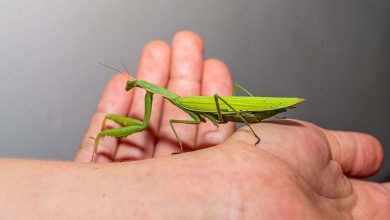
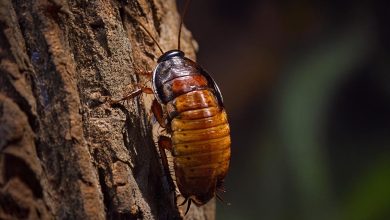
The Madagascan hissing cockroach (Gromphadorhina portentosa) is a captivating and resilient species native to Madagascar. These insects are not only fascinating pets but also play an essential role in their ecosystems by helping to decompose organic matter. Creating a bioactive enclosure for your Madagascan hissing cockroach can replicate their natural habitat while providing a self-sustaining ecosystem that reduces the need for constant maintenance. This article outlines the key components of a bioactive enclosure, from substrate to plant selection, and offers guidance on maintaining a healthy environment for your cockroaches.
Understanding Bioactive Enclosures
Bioactive enclosures are designed to mimic natural ecosystems, incorporating live plants, microorganisms, and invertebrates to create a balanced environment. This system allows for natural processes such as waste decomposition and nutrient cycling, benefiting the inhabitants and reducing the frequency of cleaning. The presence of beneficial organisms helps break down organic waste, creating a more stable habitat for your cockroaches.
Enclosure Size and Setup
Size
The first step in creating a bioactive enclosure is selecting the right size. A minimum of 20 gallons (approximately 75 litres) is recommended for a small colony of Madagascan hissing cockroaches. This size provides ample space for the cockroaches to roam, burrow, and interact with their environment.
Enclosure Type
A glass terrarium with a secure lid is ideal for maintaining humidity and temperature. Ensure the enclosure has sufficient ventilation to prevent stagnant air, which can lead to mould growth. The lid should be heavy enough to prevent escape, as these cockroaches are known to be adept climbers.
Substrate Layer
A bioactive substrate is crucial for creating a healthy environment for your Madagascan hissing cockroaches. The substrate serves as a habitat for beneficial microorganisms and invertebrates that aid in waste breakdown.
Ingredients for Substrate
Activated Charcoal: Adding activated charcoal can help control odours and improve drainage within the substrate.
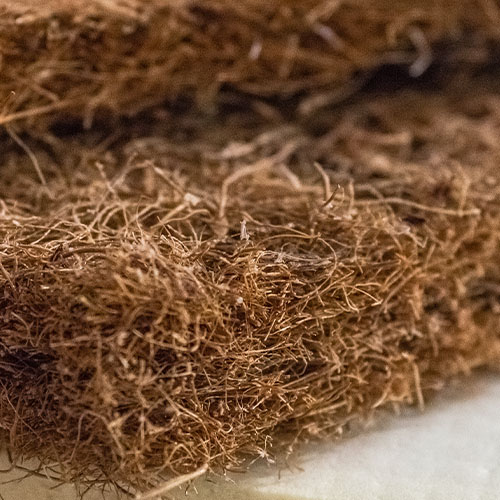
Coconut Fibre: This is a popular choice for bioactive enclosures due to its moisture-retaining properties and natural acidity. It provides a suitable environment for beneficial bacteria and fungi.
Organic Potting Soil: Select a high-quality, chemical-free potting soil to avoid harmful additives. This will provide nutrients for your plants and contribute to the overall ecosystem.
Leaf Litter: A layer of leaf litter adds texture and shelter for the cockroaches. It also provides a habitat for microfauna that will help decompose waste.
Substrate Layering
- Base Layer: Start with a drainage layer of hydroponic clay balls or gravel (approximately 1-2 inches) at the bottom of the enclosure to prevent waterlogging.
- Soil Layer: Next, add a layer of coconut fibre mixed with organic potting soil, about 4-6 inches deep. This will allow the cockroaches to burrow and create tunnels.
- Leaf Litter: Top the soil layer with a layer of leaf litter. This adds a natural aesthetic and provides a source of food for the cockroaches as they consume decaying leaves.
Plant Selection
Incorporating live plants into your bioactive enclosure enhances the aesthetic appeal and contributes to a healthier environment. Plants help to maintain humidity levels, produce oxygen, and provide hiding spots for the cockroaches.
Suitable Plant Choices
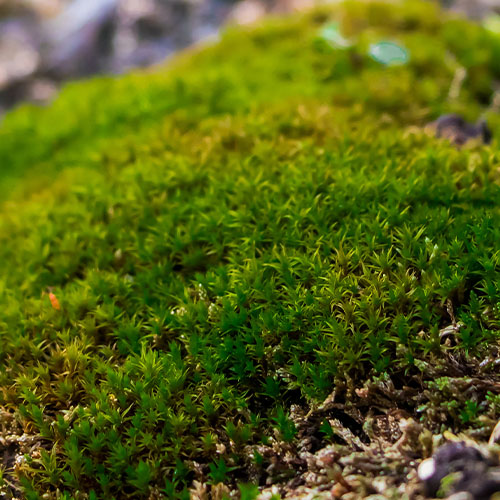
Moss: Adding live moss to the enclosure creates a naturalistic look and helps maintain humidity. Species like sphagnum moss or cushion moss are suitable options.
Pothos (Epipremnum aureum): Known for its hardiness and ability to thrive in low light, pothos is an excellent choice for bioactive enclosures. Its trailing vines can create a lush environment.
Spider Plant (Chlorophytum comosum): Spider plants are adaptable and can tolerate various conditions. They also produce offshoots, adding to the enclosure’s greenery.
Ferns: Ferns like the Boston fern (Nephrolepis exaltata) thrive in humid environments, making them ideal for your enclosure. Their fronds provide ample hiding spots for the cockroaches.
Planting Techniques
When planting in your bioactive enclosure, ensure that the roots are adequately covered with substrate. Water the plants lightly to help them establish without over-saturating the soil. Ensure that the plants are not toxic, as cockroaches may nibble on them.
Incorporating Detrivores
Detrivores are organisms that help break down organic matter, contributing to the bioactive ecosystem. Adding detrivores like springtails and isopods will enhance the efficiency of waste decomposition.
Springtails
Springtails (Collembola) are tiny, wingless insects that thrive in moist environments. They feed on decaying organic matter, fungi, and bacteria, helping to control mould and waste buildup.
Isopods
Isopods (e.g., Armadillidiidae, commonly known as pillbugs or roly-polies) are excellent for bioactive enclosures. They consume leaf litter, decaying plant matter, and faeces, contributing to nutrient cycling within the ecosystem.
Temperature and Humidity
Madagascan hissing cockroaches thrive in warm, humid environments, so maintaining the right conditions is crucial for their well-being.
Temperature
The ideal temperature range for these cockroaches is between 24°C to 30°C (75°F to 86°F). You can achieve this by placing a heat mat under one side of the enclosure to create a temperature gradient, allowing the cockroaches to thermoregulate. A thermometer will help you monitor the temperature effectively.
Humidity
Madagascan hissing cockroaches prefer humidity levels between 60% and 80%. To maintain humidity, you can mist the enclosure lightly with water a few times a week. Additionally, incorporating water features like a shallow dish filled with water can help increase humidity levels.
Feeding Your Cockroaches
Feeding your Madagascan hissing cockroaches is simple, as they are not picky eaters. Their diet consists primarily of organic matter, including fruits, vegetables, and decaying plant material.
Recommended Foods
Commercial Diets: Some owners opt for commercial cockroach diets, which provide balanced nutrition.
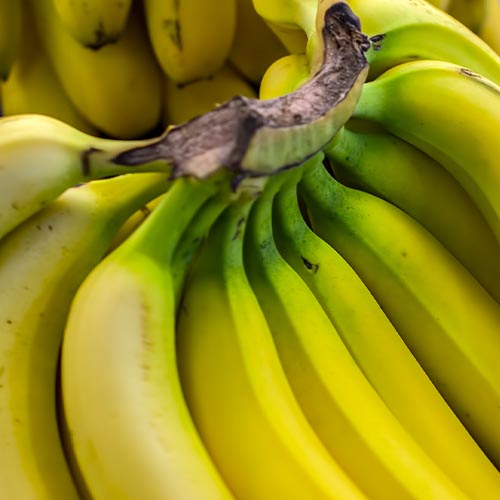
Fruits: Apples, bananas, and carrots are great options. Ensure you remove any uneaten fruit to prevent mould growth.
Vegetables: Leafy greens, cucumbers, and squash are also suitable.
Maintenance and Care
Maintaining a bioactive enclosure requires regular monitoring but is generally less time-consuming than traditional setups.
Monitoring Conditions
Check temperature and humidity levels regularly to ensure they remain within the ideal ranges. Use a hygrometer to measure humidity accurately.
Cleaning
While the bioactive system helps break down waste, occasional cleaning is necessary. Remove any uneaten food and debris regularly, and replace the leaf litter as it decomposes.
Watering
Monitor the moisture levels in the substrate. The top layer should feel slightly damp but not soggy. Adjust your misting frequency based on the humidity levels in your home.
Troubleshooting Common Issues
Even with the best setup, issues may arise in a bioactive enclosure. Here are some common problems and their solutions:
Mould Growth: If mould appears, check the humidity levels. Reduce misting frequency and ensure proper ventilation.
Pests: Occasionally, pests such as fruit flies may invade the enclosure. Ensure food items are fresh and remove uneaten portions promptly.
Unhealthy Plants: If plants start to wilt or die, assess the lighting conditions and moisture levels. Adjust as needed to improve plant health.
Creating a bioactive enclosure for your Madagascan hissing cockroach offers numerous benefits, from reduced maintenance to enhanced animal welfare. By carefully considering each component, from substrate to plant selection, you can create a thriving ecosystem that mirrors their natural habitat. This enclosure will not only provide a healthy environment for your cockroaches but also offer an engaging and dynamic display for you to enjoy.
References
C. M. McRae, R. E. (2021). Bioactive Enclosures for Cockroaches: A Practical Guide. Reptiles Magazine. Reptiles Magazine
Goss, H. (2020). Cockroach Care: The Essentials. The Natural History Bookstore. The Natural History Bookstore
Hissing Cockroach Care Guide. (2023). Pet Care Guides. Pet Care Guides
S. T. Edwards, J. L. (2019). Invertebrate Care and Conservation. Invertebrate Publishers.
Wood, D. (2022). Creating a Bioactive Habitat for Exotic Invertebrates. Bioactive Habitat Journal. Bioactive Habitat Journal