Mantises, belonging to the order Mantodea, are fascinating insects known for their unique appearance, intriguing behaviours, and impressive predatory skills. Often recognised for their distinct triangular heads, bulging eyes, and elongated thoraxes, these insects are a captivating choice for both hobbyists and researchers alike. This article provides a comprehensive guide for beginners, covering various aspects of mantises, including their biology, care, and behaviour.
Anatomy and Identification
Physical Features
Mantises exhibit a variety of physical features that make them stand out in the insect world. The most notable traits include:
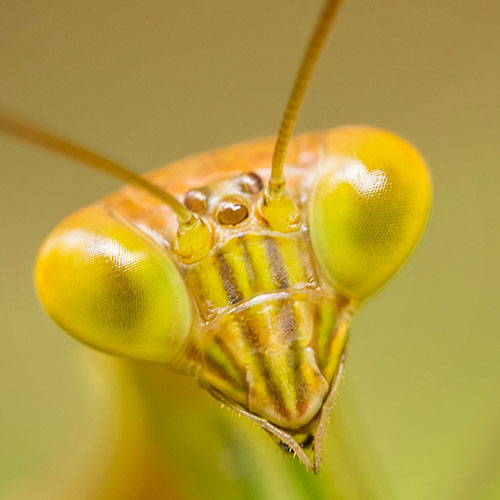
- Head: Mantises possess a triangular head with large, compound eyes that provide excellent vision. They can rotate their heads to an extent, allowing them to scan their surroundings.
- Thorax: The thorax is elongated, which gives mantises their characteristic “praying” posture, with front legs bent and held together as if in prayer.
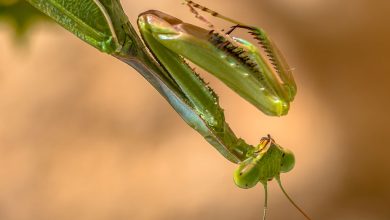
- Legs: Mantises have six legs, with the front pair modified into grasping appendages known as raptorial legs. These legs are equipped with spines to capture and hold prey effectively.
- Wings: Some species possess wings, allowing them to fly, while others are wingless. Even winged species may not be adept flyers.

Size and Colouration
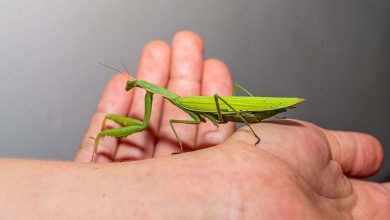
Mantises vary significantly in size and colouration, depending on the species. They can range from just a few centimetres to over 15 cm in length. Their colouration can be green, brown, or even brightly coloured, helping them blend into their environments as a form of camouflage. This adaptation is crucial for both hunting prey and avoiding predators.
Species Diversity
There are over 2,400 species of mantises worldwide, grouped into various families. Some popular species among hobbyists include:
- Chinese Mantid (Tenodera sinensis): A common species, known for its green colour and ability to adapt to various environments.
- Carolina Mantid (Stagmomantis carolina): Found primarily in the United States, this species is easily recognisable by its brownish hue and large size.
- Giant African Mantid (Sphodromantis viridis): Known for its striking appearance and larger size, this species is often sought after by collectors.
Habitat and Distribution
Mantises are found on every continent except Antarctica. They inhabit a wide range of environments, including forests, grasslands, deserts, and gardens. Their distribution often correlates with the availability of prey and suitable shelter.
Preferred Habitats
- Forests: Many mantises thrive in tropical and subtropical forests, where they can camouflage among foliage.
- Grasslands: Some species prefer open fields, where they can hunt insects on the ground.
- Urban Areas: Mantises can also be found in gardens and parks, where they prey on various insects.
Environmental Adaptations
Mantises have adapted to their environments in several ways:
- Camouflage: Many species mimic leaves, sticks, or flowers, making it easier to ambush prey and evade predators.
- Behavioural Adaptations: Some mantises exhibit behaviours such as remaining motionless or swaying gently to mimic vegetation, further enhancing their camouflage.
Life Cycle and Reproduction
The life cycle of a mantis consists of three stages: egg, nymph, and adult. Understanding this cycle is essential for maintaining mantises in captivity.
Egg Stage
Mantises lay eggs in a protective case called an ootheca, which can contain anywhere from a few dozen to several hundred eggs, depending on the species. Oothecae are often found attached to branches, leaves, or other surfaces.
Nymph Stage
Once the eggs hatch, nymphs emerge as miniature versions of adults, lacking wings. They will undergo several moults (usually 5 to 10) as they grow, shedding their exoskeletons each time. Nymphs are often more vulnerable than adults, facing predation from various sources, including other mantises.
Adult Stage
After reaching maturity, mantises become adults and are capable of reproduction. Adult females are typically larger than males and may exhibit sexual cannibalism, where the female consumes the male after mating. This behaviour may enhance reproductive success, as it provides nutritional benefits to the female.
Behaviour and Diet
Predatory Behaviour
Mantises are ambush predators, relying on their excellent vision and stealth to capture prey. They primarily feed on insects, including:
- Flies
- Beetles
- Grasshoppers
- Moths
Some larger species can even tackle small vertebrates, such as frogs or small birds. Mantises use their raptorial legs to snatch prey swiftly and deliver a fatal bite.
Feeding Habits
Mantises prefer live prey, and they exhibit various feeding behaviours:
- Ambush Hunting: Mantises often remain motionless, waiting for unsuspecting prey to come close before striking.
- Active Hunting: Some species will actively pursue prey, utilising their speed and agility.
Cannibalism
Cannibalism is not uncommon among mantises, especially in captivity. It can occur due to factors such as overcrowding or food scarcity. In nature, it may serve as a means of population control.

Keeping Mantises as Pets
Mantises make interesting pets due to their unique behaviours and relatively simple care requirements. Here are some essential tips for beginners considering mantises as pets.
Enclosure
Decoration: Include branches, plants, and hiding spots to mimic their natural habitat and provide places for the mantis to climb and rest.
Size: A suitable enclosure should provide enough space for the mantis to move freely. A height of at least three times the mantis’s length is recommended.
Ventilation: Proper ventilation is crucial to prevent mould and maintain humidity. Mesh tops or sides are ideal.
Temperature and Humidity
- Temperature: Most mantises thrive at temperatures between 20°C and 30°C. Some species may prefer slightly higher temperatures.
- Humidity: Maintain humidity levels appropriate for the species. This can be achieved through misting the enclosure or placing a small water dish inside.
Diet
- Feeding: Offer a variety of live prey, such as fruit flies, crickets, and roaches. Ensure that the prey is appropriately sized for the mantis; they should not be larger than the mantis’s head.
- Supplements: Providing calcium and vitamin supplements to prey can enhance the nutritional value of the diet.
Handling
Mantises can be handled, but care should be taken. Approach them gently, as sudden movements may startle them. Use a soft, flat surface for transfer to minimise stress.
Common Challenges
While mantises are relatively low-maintenance pets, beginners may face some challenges. Here are a few common issues and how to address them.
Molting Problems
Moulting is a critical process for mantises, but problems can arise, such as incomplete moults, leading to deformities. To minimise issues:
- Ensure proper humidity levels during moulting.
- Provide a suitable environment with enough climbing surfaces.
Cannibalism
As mentioned earlier, cannibalism can occur, particularly in crowded conditions. To prevent this:
- Provide adequate space for each mantis.
- Monitor their behaviour during feeding.
Health Issues
Keep an eye out for signs of illness, such as lethargy, discolouration, or inability to feed. Isolate affected mantises and maintain proper enclosure hygiene to prevent the spread of disease.
Mantises are captivating insects that can make excellent pets for beginners. With their unique appearances, fascinating behaviours, and relatively simple care requirements, they offer a rewarding experience for enthusiasts. By understanding their anatomy, life cycle, behaviour, and care needs, newcomers can ensure the health and happiness of their mantis companions. Whether observing their predatory skills or marveling at their intriguing adaptations, mantises provide endless fascination for those willing to delve into their world.
References
DeVries, P.J. (2002). “Mantid Diet and Feeding Behaviour: A Comprehensive Review.” Biological Reviews, 77(2), pp. 151-164.
Otte, D. (1997). The Mantid Handbook. University of Pennsylvania Press.
Eberhard, W.G. (2009). “Sexual Cannibalism in Mantids: A Review.” Journal of Insect Behavior, 22(6), pp. 529-542.
Tindall, B.R. (2013). The Complete Guide to Mantis Care. CreateSpace Independent Publishing Platform.
Schulz, R. (2005). “Mantis Diversity and Distribution: A Global Perspective.” Entomological Science, 8(2), pp. 123-132.