Pacman frogs or Horned Frogs (Ceratophrys spp.) are unique, captivating amphibians known for their robust bodies and distinctive appearance. They make excellent pets for reptile enthusiasts, and a bioactive enclosure can create a healthier and more natural environment for them. This article will explore the essential elements of a bioactive setup for your Pacman frog, focusing on the substrate, plants, microfauna, and care tips to maintain a thriving ecosystem.
Understanding Bioactive Enclosures
A bioactive enclosure mimics a natural habitat, incorporating living organisms to help maintain a balanced ecosystem. In this setup, various microorganisms, plants, and small animals (microfauna) work together to create a self-sustaining environment. The benefits of bioactive enclosures for Pacman frogs include improved humidity control, reduced waste buildup, and increased overall health for the frog.
Benefits of a Bioactive Environment
Naturalistic Setting: A bioactive enclosure provides a more visually appealing habitat that mimics the Pacman frog’s native environment, reducing stress and promoting natural behaviours.
Self-Maintaining Ecosystem: Beneficial microorganisms and microfauna help break down waste and keep the enclosure clean, reducing the need for frequent cleanings.
Enhanced Humidity Control: Live plants and organic substrates help maintain humidity levels, critical for the health of Pacman frogs.
Nutritional Benefits: Plants can provide hiding spots and reduce stress, while microfauna can serve as an additional food source for the frog.
Selecting the Right Enclosure
Size and Type of Enclosure
Pacman frogs can thrive in a variety of enclosure types, but a glass terrarium is highly recommended due to its visibility and ease of maintenance. For a single adult Pacman frog, a enclosure size of 60x45x45cm (80-100L) is advisable but bigger is better. They are unlikely to climb so floor space is more important than height. If you are keeping more than one frog or plan to create a more complex habitat, consider larger sizes.
Recommended Sizes:
- 30x30x30cm for juveniles.
- 45x45x30cm for sub-adults.
- 60x45x45cm for adults.
Heating and Lighting
Pacman frogs require a temperature range of 24-29°C (75-85°F) during the day and a slight drop at night. A heat lamp or under-tank heater can help maintain these temperatures. However, Pacman frogs are nocturnal, so they do not require strong lighting. A low-intensity light source or ambient room light will suffice.
Choosing the Substrate
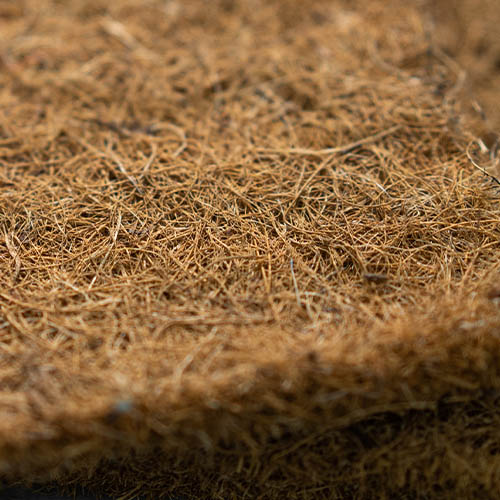
A suitable substrate is vital for creating a bioactive environment. It should be natural, organic, and capable of supporting plant growth. Here are some excellent substrate options:
Coconut Coir
Coconut coir is an organic, biodegradable substrate made from the husk of coconuts. It retains moisture well, promoting humidity and providing a comfortable surface for the frog to burrow in.
Orchid Bark or Forest Floor
Orchid bark or pre-packed reptile forest floor substrate can hold humidity well and give a natural substrate for your frog. Mix with soil or moss to provide softer spots for them to burrow.
Invertebrate Soil or Topsoil
Invertebrate soil or organic topsoil is another excellent option. Ensure it is free of chemicals and fertilizers. Mix it with coconut coir for better drainage and moisture retention.
Leaf Litter
Adding a layer of leaf litter on top of your substrate not only provides a natural appearance but also helps retain moisture and offers hiding spots for microfauna.
Selecting Plants
Plants play a crucial role in a bioactive enclosure. They help maintain humidity, provide cover, and contribute to the overall aesthetics of the habitat. Here are some plant species suitable for a Pacman frog enclosure:
Pothos (Epipremnum aureum)
Pothos is hardy, fast-growing, and thrives in various conditions. Its trailing vines offer excellent cover and climbing opportunities.
Spider Plant (Chlorophytum comosum)
The spider plant is another resilient option that grows well in low light and adds visual interest with its arching leaves.
Ferns (Various Species)
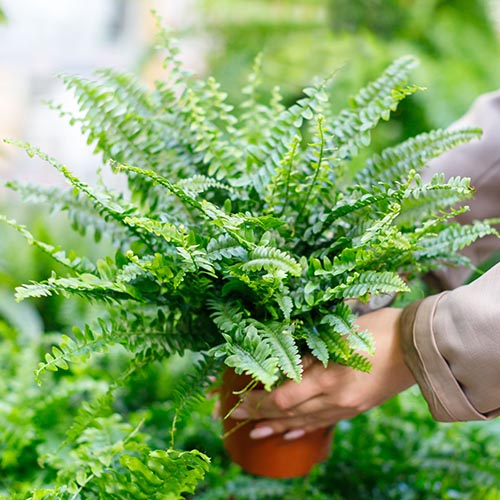
Ferns, such as the Boston fern (Nephrolepis exaltata), are excellent for adding lush greenery. They thrive in humid environments, making them ideal for a Pacman frog enclosure.
Bromeliads
Bromeliads can provide unique structure and colour to the habitat. They can hold water in their rosettes, offering additional humidity.
Moss
Live moss not only enhances the visual appeal of the enclosure but also helps retain moisture and provides a soft surface for the frog to move on.
Introducing Microfauna
Microfauna are small organisms that help break down waste and maintain the ecosystem’s balance. They contribute to the bioactive setup’s self-sustaining nature. Consider introducing the following microfauna:
Isopods (Pill Bugs)
Isopods are excellent decomposers that feed on waste and decaying organic matter, helping keep the enclosure clean.
Springtails
Springtails are tiny, beneficial insects that thrive in moist environments. They help break down waste and detritus, contributing to soil health.
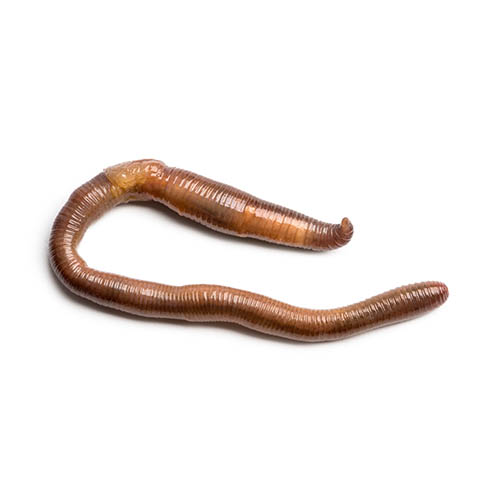
Earthworms
Earthworms can help aerate the substrate and contribute to the breakdown of organic material, making them valuable additions to the ecosystem. They will provide a good food source as well.
Setting Up the Enclosure
Step-by-Step Setup
- Prepare the Enclosure: Clean the terrarium with warm water and a non-toxic cleaning solution. Rinse thoroughly.
- Create the Substrate Layer: Begin with a drainage layer at the bottom to prevent waterlogging. This can be done using bio-drain balls or small stones. Next, add a 2-4 inch layer of your chosen substrate mix (coconut coir, topsoil, etc.).
- Add Leaf Litter: Spread a layer of leaf litter on top of the substrate to create a natural look and provide hiding places.
- Plant Selection: Plant your chosen plants in the substrate, ensuring they are adequately spaced to allow for growth. Arrange taller plants at the back and shorter ones at the front for depth.
- Introduce Microfauna: Release your microfauna into the enclosure. Ensure the substrate is moist to facilitate their movement.
- Create Hiding Spots: Include natural materials like cork bark, driftwood, or commercially available hides to provide additional shelter for your Pacman frog.
- Water Source: Include a shallow water dish that is large enough for your frog to soak in but not so deep that it poses a drowning risk. Ensure it is cleaned regularly to prevent bacteria build-up.
Maintenance
Regular Monitoring
Maintaining a bioactive enclosure requires regular monitoring to ensure the environment remains balanced and healthy. Here are some tips for ongoing care:
- Humidity Levels: Monitor humidity levels, aiming for 60-80% relative humidity. Use a hygrometer to track moisture levels. Mist the enclosure as needed to maintain humidity.
- Temperature Checks: Regularly check temperature using a thermometer, ensuring it remains within the appropriate range.
- Water Quality: Change the water in the dish regularly to prevent bacterial growth.
- Plant Care: Monitor plant health and remove any dead or decaying leaves to prevent mold growth.
- Microfauna Population: Keep an eye on the microfauna population. If you notice a decline, consider supplementing their numbers or adjusting care to support their survival.
Feeding Your Pacman Frog
Pacman frogs are carnivorous and require a diet rich in protein. In a bioactive enclosure, they can be fed a varied diet including:
- Crickets
- Locusts
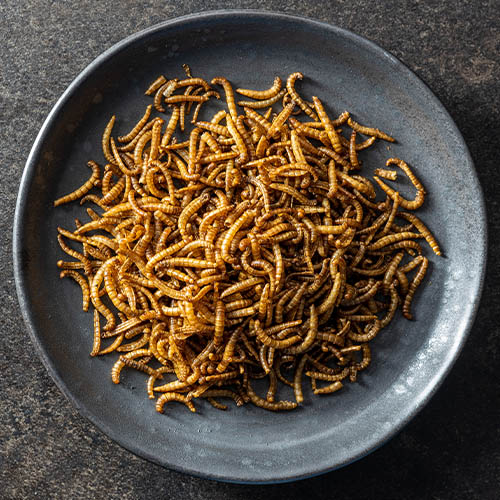
- Mealworms
- Silkworms
- Lob Worms
- Roaches
- Small mice (Limited and for larger adults only)
Ensure all food items are appropriately sized to prevent choking, and offer food every few days. Any uneaten food should be removed to prevent contamination.
Health Considerations
Monitoring your Pacman frog’s health is crucial for maintaining a thriving bioactive environment. Watch for signs of stress, illness, or improper care:
- Skin Condition: A healthy frog should have smooth, moist skin. Any dryness or shedding issues could indicate improper humidity levels.
- Activity Level: Pacman frogs are relatively sedentary, but a sudden increase or decrease in activity could signal health problems.
- Eating Habits: A lack of appetite may indicate stress, illness, or unsuitable environmental conditions.
- Faecal Health: Monitor your frog’s droppings; abnormal colour or consistency can signal health issues.
Creating a bioactive enclosure for your Pacman frog can lead to a healthier, more vibrant pet. By focusing on the right substrate, plants, and microfauna, you can cultivate a self-sustaining environment that mimics their natural habitat. With careful monitoring and maintenance, your Pacman frog will thrive in its bioactive home.
References
Wright, P. (2022). Building Naturalistic Habitats for Frogs and Toads. Frog Habitat Books.
Hoffman, R. (2021). The Complete Guide to Frogs and Toads. Smith Publishing.
Kraus, R. (2020). Bioactive Terrariums: How to Create a Natural Habitat for Your Reptiles and Amphibians. Reptile Journal.
Sullivan, T. (2019). Plant Care for Amphibians: A Guide to Suitable Plant Species for Your Terrarium. EcoReptiles Press.
Smith, J. & Thompson, L. (2018). The Secret Life of Frogs: Understanding Their Care and Environment. Amphibian Publishers.