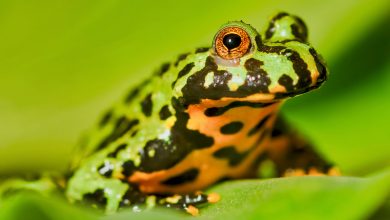
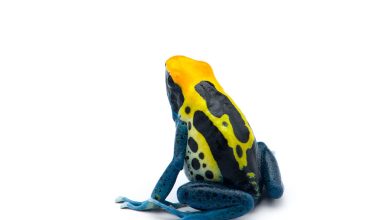
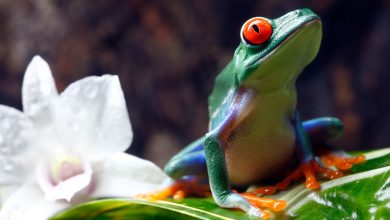
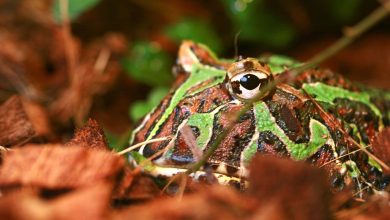
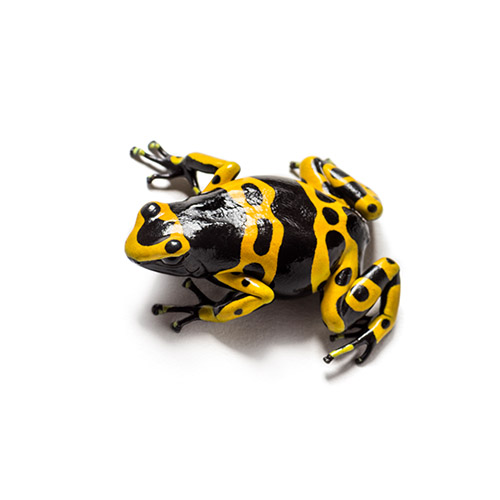
Dart frogs, scientifically known as Dendrobatidae, are a group of small, brightly coloured frogs native to Central and South America. Their vibrant hues not only captivate the attention of nature enthusiasts but also serve as a vital component of their survival strategy. The history of dart frogs is a rich tapestry woven through the threads of evolution, indigenous culture, scientific discovery, and conservation efforts. This article explores the history of dart frogs, focusing on their evolutionary background, cultural significance, and the ongoing challenges they face in the modern world.
Evolutionary Background
Origins
The family Dendrobatidae includes around 170 species of frogs, which evolved approximately 250 million years ago during the Triassic period. The ancestors of modern frogs began as aquatic creatures that adapted to life on land, gradually diversifying into the myriad species we see today. Dart frogs are believed to have originated in the Amazon basin, where the rich biodiversity provided ample opportunities for adaptation and evolution.
Adaptations
Dart frogs have evolved several fascinating adaptations that contribute to their survival. One of the most notable features is their skin, which is often vividly coloured. The bright coloration serves as a warning to potential predators that they are toxic. This toxicity is derived from the diet of the frogs, primarily consisting of ants, termites, and other small arthropods that contain toxic alkaloids. When these frogs are raised in captivity and fed a different diet, they often lose their toxicity, highlighting the intricate relationship between diet and toxicity in these creatures.
The size of dart frogs typically ranges from 1 to 6 centimetres in length, making them one of the smallest frog families. Their diminutive size and bright colours contribute to their popularity in the pet trade. However, it also renders them vulnerable to habitat destruction and climate change, which threaten their existence in the wild.
Cultural Significance
Indigenous Cultures
Dart frogs have held cultural significance for indigenous peoples in Central and South America for centuries. The most notable connection is with the indigenous tribes of Colombia, where the frogs’ skin secretions were used to create toxic darts for hunting, thus giving them the common name “poison dart frogs.” The use of these frogs in hunting practices reflects the deep understanding indigenous cultures have of their environment and the species that inhabit it.
The vibrant colours of dart frogs have also been woven into the fabric of local art and mythology. Many indigenous tribes regard these frogs as symbols of beauty and protection, often incorporating them into their artwork and spiritual practices. This cultural reverence underscores the connection between nature and human creativity, reminding us of the importance of preserving these remarkable creatures.
Scientific Discovery
The scientific study of dart frogs began in earnest in the 18th century. The first recorded observation of a dart frog occurred in 1758 when the Swedish naturalist Carl Linnaeus described the species Dendrobates auratus in his work Systema Naturae. Linnaeus’s classification marked the beginning of the formal study of amphibians and set the stage for further research on dart frogs.
Throughout the 19th and 20th centuries, researchers continued to explore the diversity and distribution of dart frogs. The work of naturalists like Alfred Russel Wallace and Thomas Belt contributed significantly to our understanding of these frogs’ habitats and behaviours. In particular, Wallace’s observations of the Amazon rainforest in the mid-1800s provided valuable insights into the ecological role of dart frogs and their interactions with other species.
The Dart Frog Renaissance

Modern Research and Conservation
In recent decades, dart frogs have become the focus of extensive scientific research and conservation efforts. The advent of molecular biology and genetic techniques has allowed researchers to explore the evolutionary relationships between dart frog species, shedding light on their diversification and adaptations.
One of the most significant breakthroughs in dart frog research occurred in the late 20th century when scientists began studying their chemical ecology. Researchers discovered that the toxins produced by dart frogs are not inherent but are instead derived from the frogs’ diet. This revelation has transformed our understanding of these amphibians and has implications for conservation efforts, as protecting their natural habitat is crucial for maintaining their populations.
As awareness of environmental issues has grown, dart frogs have emerged as important indicators of ecosystem health. Their sensitivity to changes in their environment makes them valuable subjects for studying the impacts of habitat destruction, climate change, and pollution. Conservation organisations and researchers are working tirelessly to protect these creatures and their habitats, recognising the role dart frogs play in maintaining biodiversity.
The Pet Trade
The popularity of dart frogs in the exotic pet trade has also contributed to their renaissance. Hobbyists and enthusiasts are drawn to these frogs for their stunning colours and interesting behaviours. However, this demand has raised concerns about the impact of the pet trade on wild populations. Over-collection and habitat destruction can threaten dart frog species, leading to population declines and local extinctions.
To combat these issues, many breeders have turned to captive breeding programmes, which can help alleviate pressure on wild populations. These programmes aim to produce healthy dart frogs that can be sold in the pet trade while ensuring that their wild counterparts remain protected. Responsible breeding practices, education, and awareness-raising initiatives are crucial in fostering a sustainable future for dart frogs.

Ongoing Challenges
Despite the efforts to conserve dart frogs, they continue to face numerous challenges in the modern world. Habitat loss due to deforestation, agriculture, and urbanisation remains one of the most significant threats. The destruction of their natural habitats not only reduces their living space but also disrupts the delicate ecosystems they inhabit.
Climate change poses an additional challenge, as rising temperatures and altered rainfall patterns can impact the availability of food and suitable breeding sites for dart frogs. Increased temperatures can also exacerbate the spread of fungal diseases, which have devastated amphibian populations worldwide. The chytrid fungus, in particular, has had a catastrophic impact on many dart frog species, leading to population declines and local extinctions.
Pollution from agricultural runoff, industrial waste, and plastic debris further threatens dart frogs and their habitats. As amphibians, they are particularly sensitive to environmental pollutants, which can compromise their health and reproductive success.
The history of dart frogs is a captivating journey through evolution, culture, and scientific discovery. From their origins in the Amazon basin to their significance in indigenous cultures and the challenges they face today, these remarkable creatures remind us of the importance of biodiversity and the need for conservation. As we continue to learn about dart frogs and their role in the ecosystem, it is imperative to recognise our responsibility to protect their habitats and ensure their survival for future generations. The ongoing efforts to conserve dart frogs and their environments are not only crucial for these amphibians but also for the health of the ecosystems they inhabit and the rich tapestry of life on our planet.
References
Dunn, R.R., & Harris, T.M. (2009). “Dart frogs: Biology and natural history.” Frog Log, 87(3), pp. 14-19.
Stuart, S.N., et al. (2004). “Status and trends of amphibian declines and extinctions worldwide.” Science, 306(5702), pp. 1783-1786.
Beebee, T.J.C., & Griffiths, R.A. (2005). Amphibians and Reptiles: A Natural History of the British Fauna. Routledge.
Savage, J.M. (2002). The Amphibians and Reptiles of Costa Rica: A Herpetofauna between Two Continents, between Two Seas. University of Chicago Press.
Poole, A.J., & Green, D.M. (2005). “Natural History of the Dart Frog.” Dart Frog Journal, 3(1), pp. 45-56.
Frost, D.R. (2015). “Amphibian Species of the World: An Online Reference.” American Museum of Natural History.
Rosenblum, E.B., et al. (2007). “Emerging infectious disease and amphibian population decline.” BioScience, 57(5), pp. 388-394.
Lips, K.R., et al. (2006). “Emerging infectious disease and the decline of amphibians.” Nature, 439(7071), pp. 161-167.