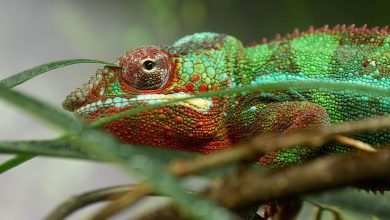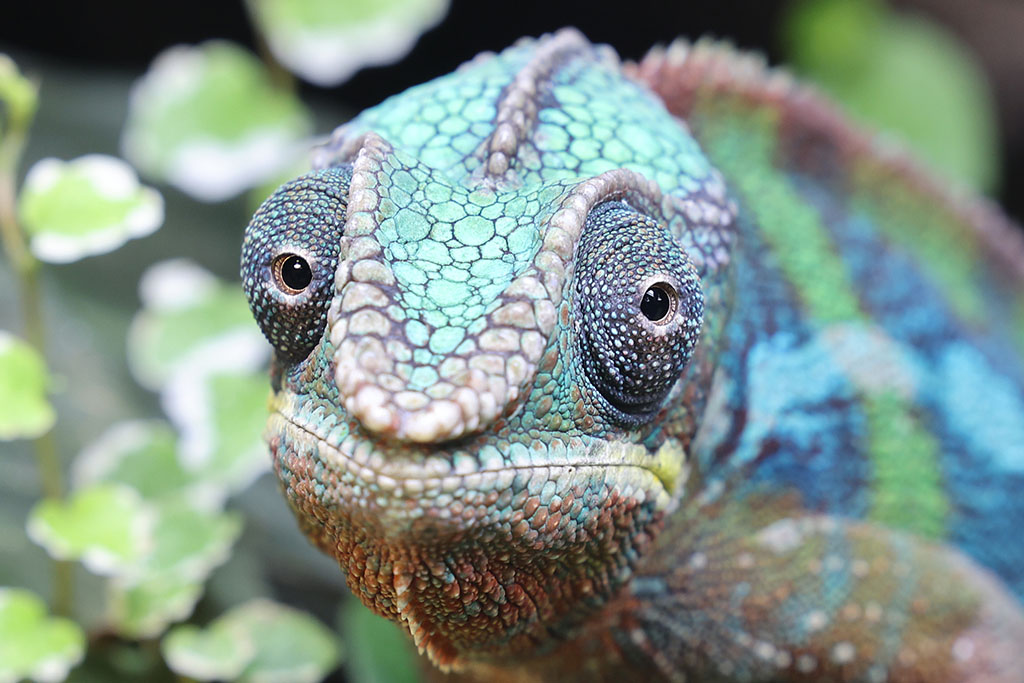
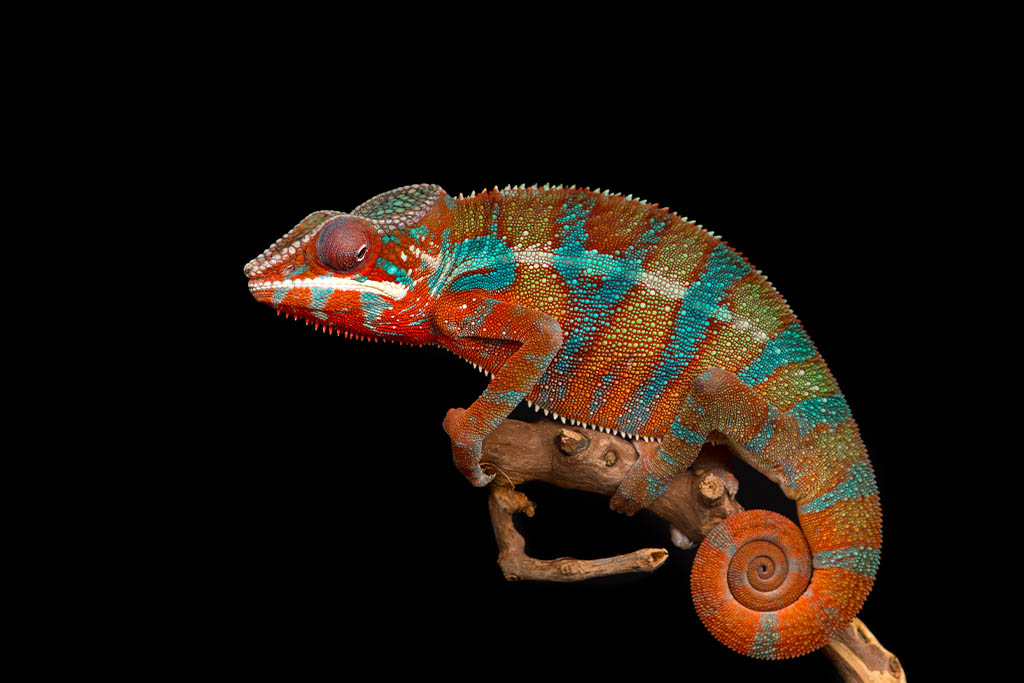
Panther chameleons (Furcifer pardalis) are one of the most vibrant and fascinating reptiles, often beloved for their dazzling colour displays and distinctive personalities. Native to Madagascar, these creatures require specific care to thrive in captivity. Whether you’re a new owner or an experienced reptile enthusiast, it’s important to equip yourself with the right supplies. Here, we’ll explore the top ten essential items you need to provide a proper environment for your Panther chameleon, helping to keep it healthy, happy, and colourful.
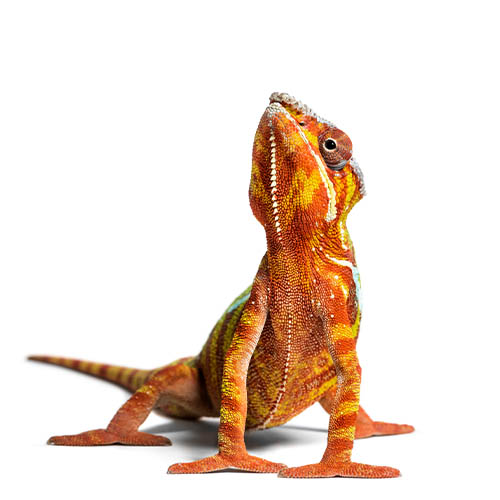
1. Appropriate Enclosure
A proper enclosure is critical to ensuring your Panther chameleon feels at home. Chameleons require a vertical space rather than horizontal, as they spend most of their time climbing. A screened enclosure is ideal as it offers excellent ventilation, which is essential for their respiratory health but it can be difficult to main temperatures. Glass enclosures with a well-ventilated roof can also work, but allow space for plenty of climbing decor for them to get around.
Size:
- Juvenile Panther chameleons can be housed in smaller enclosures (e.g., 45cm x 45cm x 60cm), but adult males need at least 60cm x 60cm x 120cm of space. Larger enclosures are always better, as they allow the chameleon to exercise and exhibit natural behaviours.
2. Lighting System
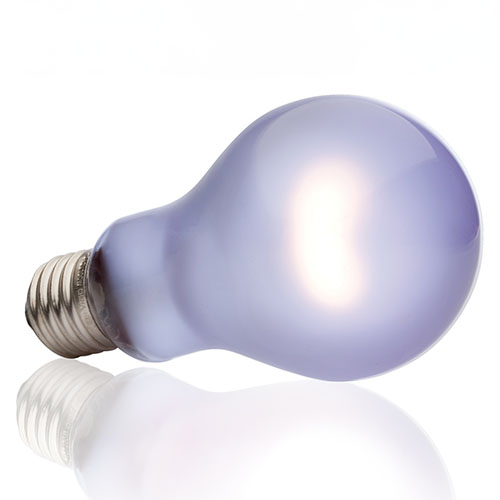
Panther chameleons are diurnal and require exposure to both UVB lighting and heat to regulate their metabolism, digest food, and synthesise Vitamin D3, which is essential for calcium absorption. Without proper lighting, they are prone to metabolic bone disease (MBD) and other health issues.
UVB Light:
- Use a full-spectrum 5 or 6% UVB bulb, such as the ReptiSun 5.0, Komodo 5.0 or Arcadia 6% T5 UVB, placed within the appropriate distance to ensure the chameleon can absorb UV rays. Replace the bulb every 6-12 months as UV output diminishes over time, even if the bulb appears functional.
Basking Light:
- A separate basking bulb that emits heat is necessary. A 40-60 watt incandescent bulb or a dedicated reptile basking bulb will help maintain the optimal basking temperature of 29-32°C during the day.
Photoperiod:
- Provide a consistent 12-hour light-dark cycle using a timer for both the UVB and basking lights.
3. Temperature and Humidity Control
Panther chameleons are cold-blooded and rely on external heat sources to regulate their body temperature. Equally important is maintaining appropriate humidity levels, as chameleons are sensitive to both extremes.
Temperature Gradient:
- The enclosure should have a temperature gradient, with the basking spot at 29-32°C and the cooler end of the enclosure at 21-24°C. At night, temperatures can drop to around 18-21°C without harm. A digital thermometer with probes is ideal for accurate readings.
Humidity Levels:
- Humidity should range from 50-70%, with spikes during misting. This can be achieved with a combination of misting systems (see below) and live plants. A hygrometer will help you monitor humidity levels consistently.
4. Misting System or Hand Mister
Chameleons rely on water droplets to drink, as they do not typically drink from standing water. Misting the enclosure mimics rainfall and provides essential hydration while boosting humidity levels.
Misting System:
- Automatic misting systems, such as the MistKing or Exo Terra Monsoon, offer hands-free operation and ensure the chameleon has regular access to water throughout the day.
Hand Mister:
- For smaller setups or owners on a budget, a hand mister can also be used, though misting will need to be done 2-3 times daily to maintain proper humidity.
Drip System:
- Some owners opt for a drip system in addition to misting. This allows the chameleon to drink from slowly dripping water throughout the day.
5. Live Plants and Branches
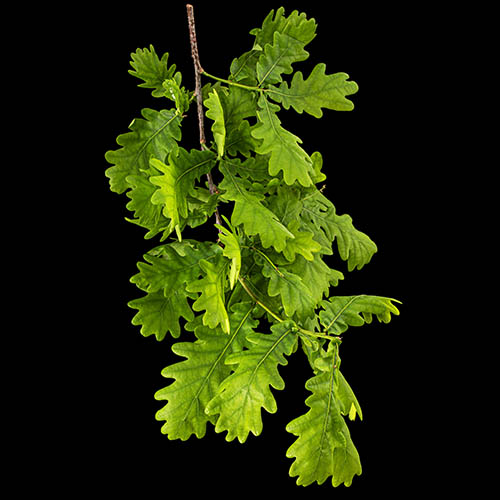
Panther chameleons are arboreal, meaning they spend their lives in trees. Therefore, providing a setup filled with branches and live plants will simulate their natural habitat, offering climbing opportunities and cover.
Branches:
- Place a variety of horizontal and diagonal branches to encourage natural climbing behaviour. Safe woods include non-toxic species such as oak, ficus, or bamboo. However, purchasing vines, cork bark branches, java branches and similar from reputable sources mean no parasites or mould will get into your enclosure. Ensure branches are securely anchored.
Live Plants:
- Chameleons enjoy climbing on and hiding amongst live plants, which also help with humidity. Recommended plants include pothos, ficus benjamina, and umbrella plants. Ensure any plants used are non-toxic and pesticide-free.
Pro Tip:
Live plants help maintain humidity and provide a more aesthetically pleasing, naturalistic enclosure, but they require regular care.
6. Substrate
Panther chameleons do not need a substrate at the bottom of their enclosure and, in some cases, substrate can pose a health risk if ingested. Therefore, most chameleon keepers opt for a bare-bottomed enclosure or use a substrate that won’t harm their pet.
Options:
- If using a substrate, opt for something that retains moisture but is not dusty, such as reptile carpet, bioactive substrate (in conjunction with live plants), or paper towels.
Bioactive Setup:
- For advanced keepers, a bioactive substrate with beneficial microorganisms can help break down waste and maintain humidity. Bioactive substrates typically include a mix of coconut coir, sphagnum moss, and leaf litter.
7. Calcium and Vitamin Supplements
Panther chameleons require calcium to support bone health and prevent metabolic bone disease. They cannot get enough calcium through their diet alone, so supplementation is critical.
Calcium without D3:
- A phosphorus-free calcium powder should be dusted on their food every other feeding.
Calcium with D3:
- Since D3 is vital for calcium absorption, dust food with calcium + D3 supplement twice a month, ensuring not to overdose as it can cause toxicity.
Multivitamin:
- A multivitamin should be given every 2-4 weeks to ensure the chameleon gets all necessary nutrients. Be sure to choose reptile-specific supplements, such as Repashy or Zoo Med products.
8. Insect Gut-loading Supplies
The diet of a Panther chameleon consists primarily of live insects, including crickets, roaches, and locusts. However, feeding them insects alone won’t provide adequate nutrition. Gut-loading the insects (feeding them nutritious foods) is essential to ensure your chameleon gets a balanced diet.
Gut-loading Food:
- Provide feeder insects with a high-quality diet rich in calcium and vitamins for at least 24-48 hours before feeding them to your chameleon. Options include commercial gut-loading diets (such as Repashy Bug Burger) or fresh vegetables like collard greens, squash, and carrots.
Hydration for Insects:
- Use a water gel or fresh vegetables to keep feeder insects hydrated without risking drowning them in standing water. This ensures they are a healthy food source for your chameleon.
9. Feeder Insects and Feeding Tools
Chameleons rely on live prey, so having a variety of feeder insects is essential. A diverse diet will keep your Panther chameleon interested and ensure balanced nutrition.
Insect Variety:
- Primary feeders include crickets, dubia roaches, and black soldier fly larvae. Occasional treats, such as waxworms or hornworms, can add variety but should not make up the bulk of their diet due to their high fat content.
Feeding Cup or Tongs:
- Use feeding tongs or a cup to offer insects to your chameleon. Hand-feeding with tongs can also help build trust with your pet. Avoid feeding directly from your hands as chameleons can miss their target and accidentally bite.
10. Thermostat and Hygrometer
Maintaining the correct temperature and humidity levels is critical for your chameleon’s health. To do this accurately, you will need both a thermometer and a hygrometer in the enclosure.
Digital Thermometer with Probes:
- A digital thermometer with probes is ideal for measuring both the basking temperature and the cooler areas of the enclosure.
Hygrometer:
- A digital hygrometer will allow you to track the enclosure’s humidity levels accurately. Some devices combine both temperature and humidity monitoring in one unit for ease of use.
Temperature Control:
- If your home environment fluctuates significantly, investing in a thermostat can help regulate the enclosure’s temperature. This ensures your basking bulb turns on and off at appropriate times to maintain a steady heat level.
Caring for a Panther chameleon requires attention to detail and proper equipment to create a healthy environment that mimics their natural habitat. With these essential supplies, you’ll be well on your way to providing your chameleon with the care it needs to live a long and vibrant life.
By investing in the right enclosure, lighting, temperature control, and diet, you can ensure that your Panther chameleon thrives in captivity. Remember, every chameleon has its unique personality and preferences, so observing your pet’s behaviour and making adjustments as needed is key to a successful relationship with this fascinating reptile.
References
“How to Set Up a Bioactive Vivarium.” Reptiles Alive, www.reptilesalive.com/bioactive-vivarium-guide.
De Vosjoli, Philippe, et al. The Chameleon Handbook. Barron’s Educational Series, 2017.
Ferguson, Gary W., et al. “Vitamin D3 Synthesis and UV Light in Reptiles.” Zoo Biology, vol. 22, no. 3, 2003, pp. 231-243.
Hammack, Frank. Panther Chameleons as Pets: Care and Husbandry. Moonlight Publishing, 2020.
Marshall, Daniel. The Essential Guide to Panther Chameleons. Advanced Vivarium Systems, 2015.
“Chameleon Care Sheet.” Reptiles Magazine, www.reptilesmagazine.com/chameleon-care-sheet.
“Panther Chameleon Care Guide.” Chameleon Academy, www.chameleonacademy.com/panther-chameleon-care-guide.
“Chameleon Supplementation and Gut Loading.” Reptile Centre, www.reptilecentre.com/chameleon-supplementation-gut-loading.