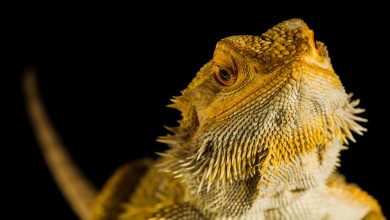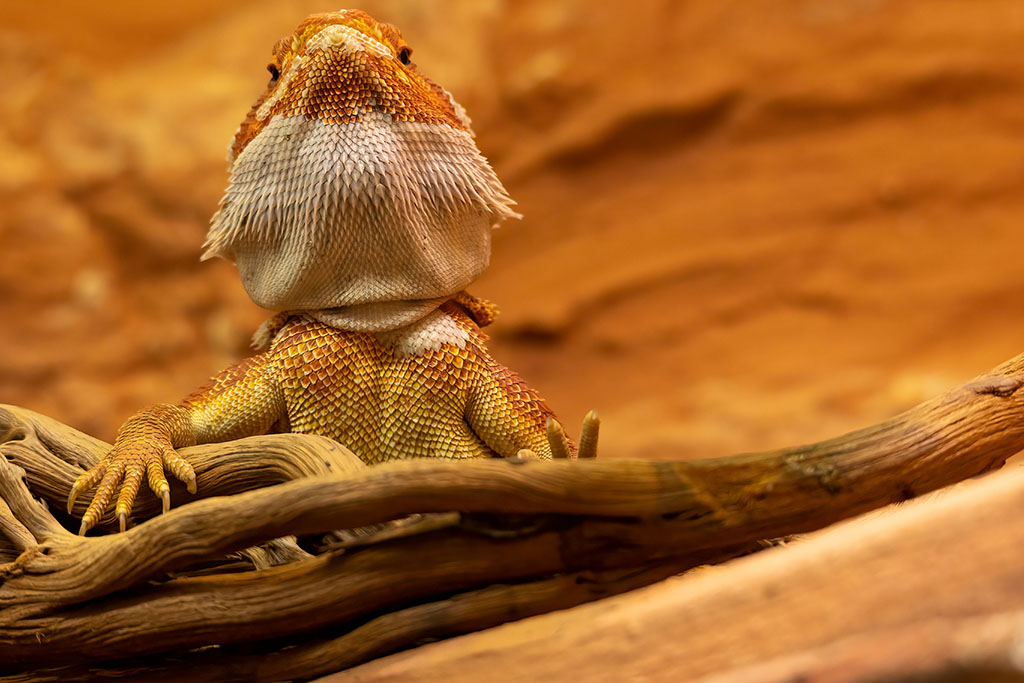
Bearded dragons are among the most popular reptiles kept as pets, known for their docile nature, curious personalities, and ease of care. Native to the arid regions of Australia, these friendly lizards require a carefully curated environment and diet to thrive in captivity. If you are considering welcoming a bearded dragon into your home or already have one, it’s crucial to provide the correct supplies to ensure their health and happiness. In this guide, we’ll explore the top ten essential supplies every bearded dragon owner should have, ensuring your pet enjoys a comfortable and enriched life.
1. Proper Enclosure (Vivarium)
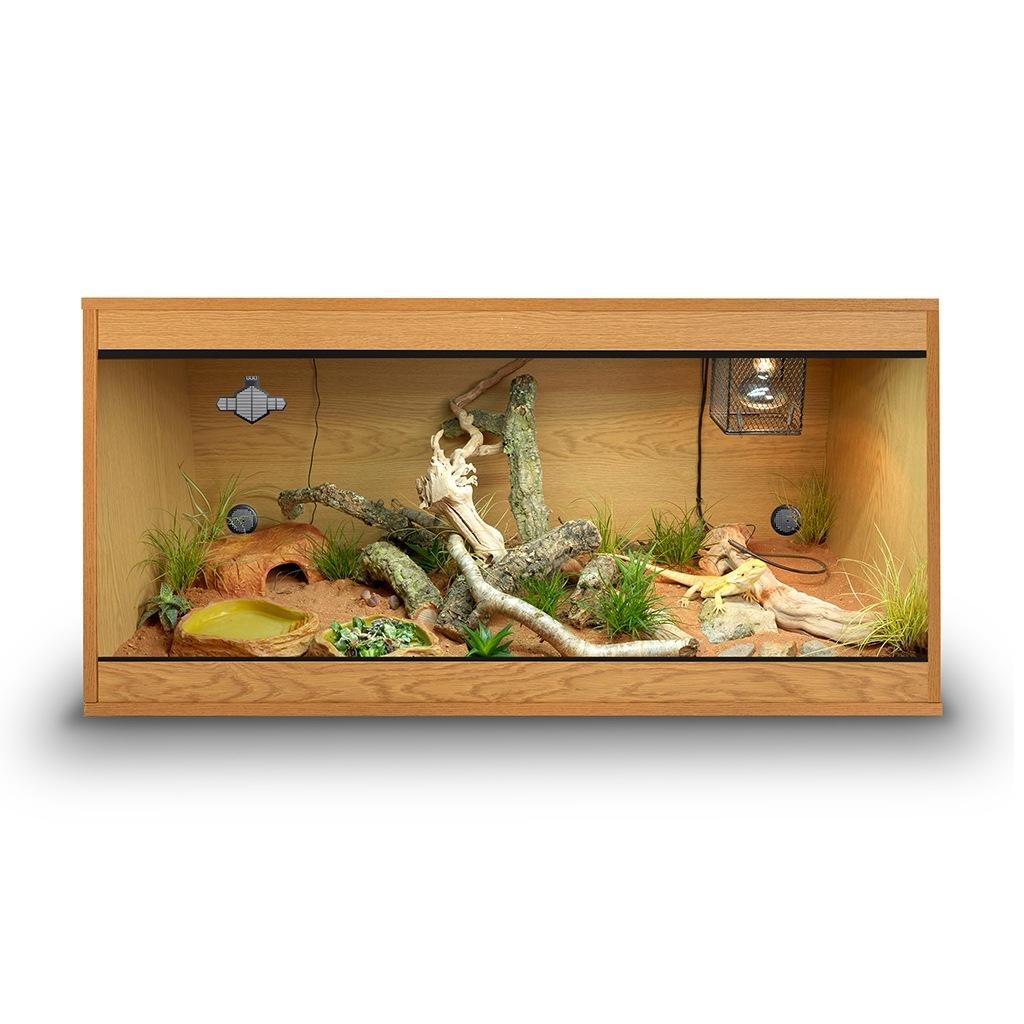
The enclosure is the cornerstone of a bearded dragon’s habitat, and selecting the right size and type is crucial. Adult bearded dragons require a vivarium that is at least 120 cm long, 60 cm deep, and 60 cm tall (48 x 24 x 24 inches), giving them plenty of space to roam, climb, and explore. Glass tanks can be used as the amount of is ventilation are ideal, however temperature regulation can be an issue depending on the ambient room temperature.
Key points to remember:
The vivarium glass should be secured to prevent escape.
Adequate ventilation is essential to avoid humidity build-up.
Consider an enclosure with front-opening doors for easy access.
Why it’s important: A properly sized enclosure gives your bearded dragon enough space to exhibit natural behaviours, such as basking, hunting, and digging, while preventing stress from confinement.
2. UVB Lighting
UVB lighting is one of the most critical supplies for your bearded dragon. In the wild, they bask in the sun to synthesise vitamin D3, which is essential for calcium absorption. In captivity, UVB lighting mimics this natural sunlight.
You’ll need a UVB fluorescent tube, covering 10-12% UVB output for your bearded dragon’s enclosure. The bulb should span at least two-thirds of the length of the vivarium to ensure your pet can receive UVB rays no matter where they bask.
Important factors:
Replace UVB bulbs every 6 to 12 months, as their output diminishes over time, even if they still produce visible light.
Position the bulb 12-15 inches away from the basking spot.
Make sure the UVB light is unfiltered, as glass or plastic can block the rays.
Why it’s important: Without UVB, bearded dragons are at risk of metabolic bone disease, a condition that weakens their bones and can lead to deformities or death.
3. Basking Light and Heat Source
Being ectothermic (cold-blooded), bearded dragons rely on external heat sources to regulate their body temperature. You’ll need a basking lamp to provide them with a hot spot during the day. This spot should reach temperatures between 38°C to 43°C (100°F to 110°F). The cooler side of the enclosure should maintain temperatures between 24°C to 29°C (75°F to 85°F).
Heat sources include:
Basking bulbs: These are often paired with UVB lights and provide a concentrated area of warmth.
Ceramic heat emitters (CHE): These are ideal for providing heat during the night without producing light.
Why it’s important: Proper temperature gradients in the enclosure allow your bearded dragon to regulate its body temperature effectively. Without adequate heat, they cannot digest food properly, leading to health issues.
4. Thermometers and Hygrometers
Maintaining the correct temperature and humidity is essential for your bearded dragon’s well-being. Using thermometers and hygrometers ensures that both are kept within the recommended range.
Digital thermometers: Place one on the basking side and one on the cooler side to ensure your bearded dragon has the right gradient.
Hygrometer: A digital or analogue hygrometer helps monitor humidity levels, which should remain between 20% and 40% in their enclosure.
Why it’s important: Inaccurate temperatures can lead to health issues such as improper digestion or respiratory infections. Monitoring humidity is equally important, as too much moisture can cause respiratory problems, while too little can lead to dehydration.
5. Substrate

Substrate refers to the material used on the floor of your bearded dragon’s vivarium. There are several types of substrates available, but some are safer than others. Loose substrates, like sand, are more natural but could cause impaction if ingested, a potentially fatal condition where the digestive tract becomes blocked.
Safe option substrates include:
Reptile carpet: A soft, non-loose material that can be easily cleaned and reused. Loose threads can pose a minor risk if your Bearded Dragons claws are too long.
Ceramic tiles: These mimic the natural rocky environment of a bearded dragon’s habitat and are easy to maintain.
Newspaper or paper towels: These are inexpensive, hygienic options, especially for young dragons.
All these options can be used with a dig box, in which a small amount of loose substrate is used in one corner so a bearded dragon can express natural diggin behaviour.
Loose Substrate options:
Sand-Soil mix: Although pure sand can be used it is a higher risk, especially calcium sand or calci-sand as the small hard grains can clump together. Most brands now offer a sand-soil mix which is much more natural and reduces risk.
Clay-based Substrate: Often used for burrowing species but when mixed with water creates a hard structure. This is less loose than sand but has the same texture. Much more difficult to clean though.
Why it’s important: A safe and clean substrate helps prevent impaction and reduces the risk of bacterial growth that can lead to infections however are less natural. Loose substrates come with some risk but with proper diet, lighting and husbandry the chances are slim that your reptile will eat enough substrate that impaction would occur.
6. Food and Water Dishes
Although bearded dragons get most of their hydration from their food, a shallow water dish should always be available. The dish should be cleaned and refilled daily to prevent contamination.
You’ll also need a food dish to serve fresh vegetables and insects. Ensure the dish is shallow and sturdy to avoid tipping over, and wash it regularly to maintain hygiene.
Why it’s important: Clean water and food dishes help maintain hygiene in the vivarium, ensuring your bearded dragon stays hydrated and eats fresh food.
7. Appropriate Diet and Supplements
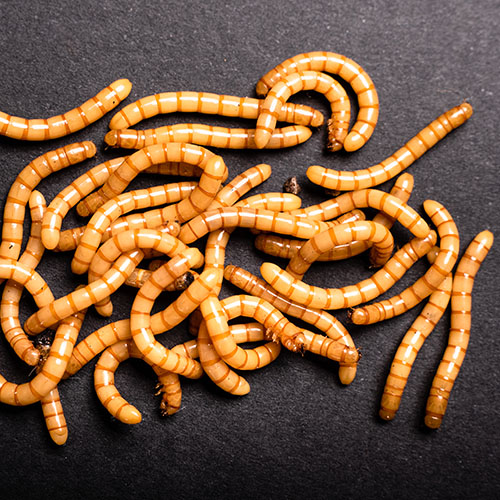
Bearded dragons are omnivores, requiring a mix of plant-based foods and protein. Their diet typically consists of:
Live insects: Crickets, locusts, dubia roaches, and mealworms are excellent sources of protein.
Vegetables: Leafy greens such as collard greens, dandelion greens, and mustard greens should be a staple.
Fruits: Offer fruits like berries or mangoes occasionally as treats.
In addition to a balanced diet, bearded dragons need supplements:
Calcium powder: Dust their food with calcium at least 4-5 times a week.
Vitamin D3 powder: If your UVB light source isn’t strong enough, you may need to supplement with D3 powder.
Why it’s important: Proper nutrition and supplements ensure your bearded dragon has strong bones, healthy muscles, and a well-functioning immune system.
8. Hides and Climbing Branches
Bearded dragons need places to hide and rest, as well as areas to climb and explore. A hide is essential for them to feel secure and escape from the light when they need to. You can use store-bought reptile hides or create natural hiding spots with logs or caves.
Provide climbing branches or rocks as well, as they enjoy perching on elevated surfaces, which also aids in their thermoregulation.
Why it’s important: Hides give your bearded dragon a sense of security, reducing stress. Climbing branches and rocks encourage physical activity and natural behaviours.
9. Cleaning Supplies
Keeping the enclosure clean is vital to your bearded dragon’s health. You’ll need:
Disinfectants: Use reptile-safe disinfectants to clean the vivarium and accessories regularly.
Scoops: For easy removal of waste and soiled substrate.
Scrub brushes: For scrubbing water dishes, hides, and the enclosure walls.
It’s a good practice to spot clean daily and do a deep clean of the entire enclosure weekly.
Why it’s important: Regular cleaning prevents bacterial growth, parasite infestations, and foul odours, ensuring your bearded dragon lives in a healthy environment.
10. Transport Carrier
A secure transport carrier is essential for trips to the vet or when moving your bearded dragon to a temporary enclosure during cleaning. Choose a carrier that’s ventilated and easy to secure.
Why it’s important: A transport carrier ensures your bearded dragon is safe during travel, minimising stress and potential injury.
Caring for a bearded dragon is both rewarding and enjoyable, but it requires careful attention to their habitat, diet, and overall well-being. By investing in these essential supplies, you’ll be providing your pet with a healthy, comfortable, and stimulating environment that allows them to thrive. Whether you’re a new or experienced reptile owner, ensuring that your bearded dragon has the right equipment is key to their longevity and happiness.
References:
Walker, A. (2021). Bearded Dragon Care: Essential Supplies for a Happy and Healthy Pet. Reptiles Magazine.
Holmes, P. (2020). Creating the Ideal Vivarium: The Bearded Dragon’s Natural Habitat. The Reptile Times.
Smith, D. (2019). UVB Lighting and its Importance for Reptiles. Herpetology Journal.
Brooks, L. (2020). Understanding Reptile Nutrition: A Complete Guide for Bearded Dragons. Animal Nutrition Quarterly.
Johnson, E. (2021). Common Health Problems in Bearded Dragons and How to Prevent Them. Veterinary Medicine Today.
Fletcher, R. (2020). The Importance of Clean Environments for Reptiles. Herp Health Digest.
Thompson, M. (2022). Reptile Substrates: Safe and Unsafe Options for Bearded Dragons. Pet Reptile Review.
Davies, J. (2021). Temperature Control in Bearded Dragon Enclosures. Reptile Habitat Insights.
Allen, C. (2022). Hydration and Diet for Bearded Dragons. The Bearded Dragon Owner’s Guide.
Perkins, H. (2021). Choosing the Right Equipment for Your Reptile’s Enclosure. Exotic Pet World.