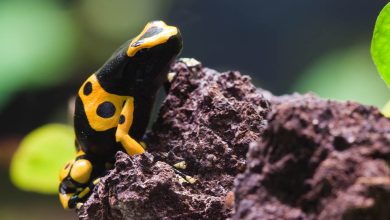
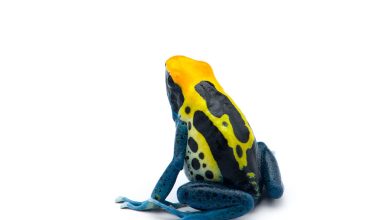
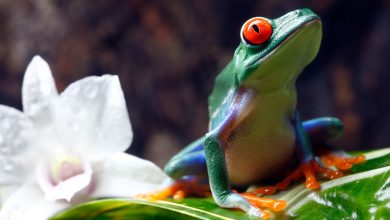
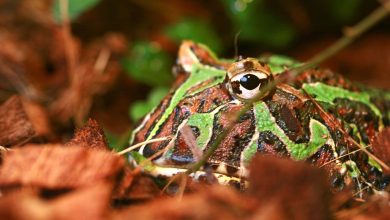
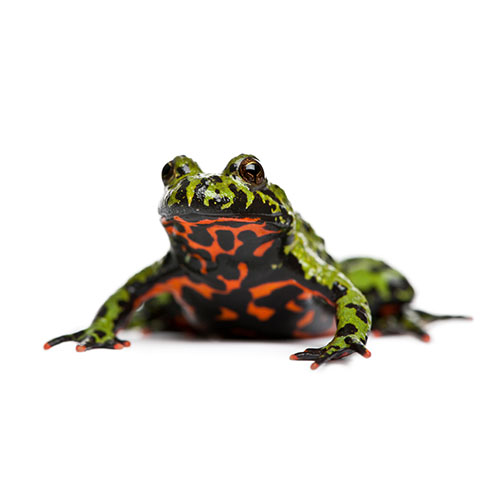
Fire-bellied toads, with their striking appearance and unique behaviour, have fascinated biologists and hobbyists alike for centuries. Their vibrant colours—typically a vivid combination of green and black on their dorsal side, and a bright orange or red on their belly—are not just for show. These amphibians belong to the genus Bombina, which includes several species, such as the Oriental fire-bellied toad (Bombina orientalis) and the European fire-bellied toad (Bombina bombina). Their coloration serves as a warning to potential predators of their toxic skin secretions.
This article delves into the history of these fascinating amphibians, exploring their evolutionary origins, interactions with humans, and significance in various cultures.
Evolutionary History and Classification
The Bombina genus belongs to the family Bombinatoridae, which includes the fire-bellied toads and their close relatives, the barbourulas (also known as flat-headed frogs). The evolutionary history of fire-bellied toads stretches back millions of years, during which they evolved distinct features to adapt to their aquatic and terrestrial habitats.
Origins of Amphibians
Amphibians are among the oldest groups of terrestrial vertebrates, evolving approximately 370 million years ago during the Devonian period. Their ancestors were likely lobe-finned fish that developed limbs to move in shallow, freshwater environments. Over time, these early amphibians diversified into various forms, some of which gave rise to modern frogs, toads, salamanders, and caecilians.
The family Bombinatoridae is relatively ancient, with fossil evidence suggesting its members diverged from other amphibians around 65 million years ago, during the Late Cretaceous period. This was a time when dinosaurs still roamed the Earth, and the ancestors of fire-bellied toads likely shared their environment with these massive reptiles.
Distribution and Species of Fire-Bellied Toads
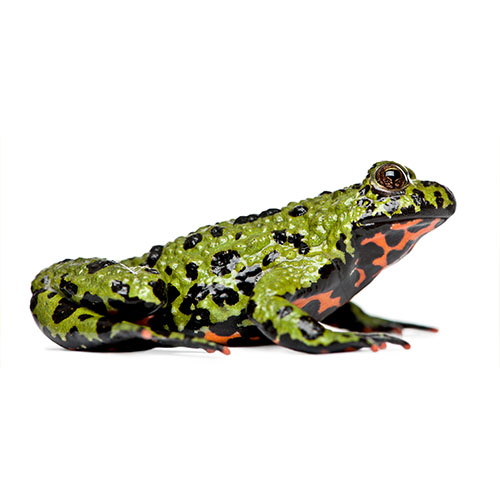
The genus Bombina is composed of several species, each with its own distinct range and adaptations. The two most well-known species are the Oriental fire-bellied toad and the European fire-bellied toad.
- Oriental Fire-Bellied Toad (Bombina orientalis): Found primarily in Korea, northeastern China, and parts of Russia, this species thrives in marshy areas and shallow waters. It is perhaps the most popular species in the pet trade, thanks to its bright coloration and relatively easy care requirements.
- European Fire-Bellied Toad (Bombina bombina): Native to parts of Central and Eastern Europe, this species has a similar preference for wetlands and ponds. It is slightly larger than its Oriental counterpart and is known for its distinct mating call, which has earned it the nickname “bombinator.”
Other species within the Bombina genus include the Yunnan fire-bellied toad (Bombina maxima), the Hubei fire-bellied toad (Bombina microdeladigitora), and the small fire-bellied toad (Bombina fortinuptialis).
Role in Human Culture
Fire-bellied toads have captured human attention for centuries due to their unusual appearance and behaviors. In some cultures, they are viewed as symbols of vitality and resilience, while in others, their toxic secretions are associated with danger or supernatural powers.
Eastern Traditions and Folklore
In East Asia, particularly in China and Korea, fire-bellied toads are sometimes seen as symbols of luck and protection. The toad’s vibrant underbelly, with its fiery hues, is thought to ward off evil spirits. In some local traditions, toads were kept in homes as talismans to bring good fortune and to keep away harmful energies.
There are also tales that attribute the fire-bellied toad’s toxicity to divine intervention, where the toad’s bright colors and venomous skin secretions were seen as gifts from protective deities to defend themselves from larger, predatory creatures.
European Symbolism
In European folklore, toads in general were often seen in a more negative light. They were frequently associated with witchcraft, poison, and disease, largely because of their secretive habits and the toxins some species produced. The European fire-bellied toad, with its bright colors and warning displays, might have reinforced these associations in some regions.
However, over time, these amphibians became subjects of scientific curiosity rather than superstition. European naturalists in the 18th and 19th centuries began studying fire-bellied toads more systematically, noting their unique behaviors and physiological traits. This laid the groundwork for modern herpetology.
Fire-Bellied Toads in Science and Research

Fire-bellied toads have made significant contributions to biological research. Their relatively simple care requirements, vibrant warning coloration, and reproductive behaviours make them ideal model organisms for studies in ecology, evolution, and toxicology.
Aposematism and Mimicry
One of the most well-known features of fire-bellied toads is their aposematic coloration—a biological term that refers to the bright colors some animals use to warn predators of their toxicity. The red or orange bellies of fire-bellied toads serve as a warning signal to predators that they are unpalatable or even poisonous.
This phenomenon has been extensively studied in fire-bellied toads to understand how aposematism evolves in nature. Researchers have found that predators quickly learn to avoid animals with bright, warning colors after a few unpleasant encounters, leading to a survival advantage for brightly colored individuals.
Toxic Skin Secretions
Fire-bellied toads produce toxins known as bombesins, a group of peptides that have both defensive and physiological functions. These toxins irritate the mucous membranes of potential predators and can cause discomfort, discouraging further attacks.
In addition to their defensive role, bombesins have drawn attention from medical researchers. Studies have shown that these peptides have antimicrobial properties and may play a role in regulating digestive processes. There is ongoing research into their potential applications in medicine, particularly in the treatment of gastrointestinal disorders.
Reproductive Behaviour and Vocalizations
Another area where fire-bellied toads have been studied extensively is their reproductive behavior. Male fire-bellied toads are known for their distinctive mating calls, which they produce using specialized vocal sacs. These calls serve not only to attract females but also to establish territories and ward off rival males.
Scientists have investigated how these vocalizations function in different environmental conditions, shedding light on the complex interplay between animal behaviour and ecology. For instance, in densely populated areas, male toads may modify their calls to stand out from the chorus of other calling males, a phenomenon known as the “cocktail party effect.”
Conservation Status and Challenges
Despite their widespread distribution and adaptability, fire-bellied toads face various threats in the wild, primarily due to habitat loss and pollution. Wetlands, the primary habitat of these amphibians, are increasingly being drained or altered for agriculture, urban development, and industrial use.
Habitat Destruction
In many parts of Europe and Asia, wetlands are disappearing at an alarming rate, leading to the decline of fire-bellied toad populations. The destruction of these habitats not only deprives the toads of breeding grounds but also affects the entire ecosystem, as wetlands are home to a wide range of plant and animal species.
For example, the European fire-bellied toad (Bombina bombina) is listed as “near threatened” on the International Union for Conservation of Nature (IUCN) Red List due to habitat destruction and fragmentation. Conservation efforts, such as the restoration of wetlands and the creation of protected areas, are underway to help safeguard this species.
Pollution and Climate Change
In addition to habitat loss, pollution poses a significant threat to fire-bellied toads. Amphibians, in general, are highly sensitive to changes in water quality, and fire-bellied toads are no exception. Agricultural runoff, industrial waste, and chemical pollutants can disrupt their reproductive cycles and cause deformities in developing tadpoles.
Climate change is another emerging threat. As temperatures rise and weather patterns become more erratic, the delicate balance of wetland ecosystems is being disrupted. Droughts, for instance, can dry up breeding ponds before tadpoles have fully developed, leading to population declines.
The Pet Trade
Fire-bellied toads, particularly the Oriental species (Bombina orientalis), are popular in the exotic pet trade. While this has led to increased awareness of the species, it has also created some challenges. Wild populations are sometimes collected unsustainably to meet the demands of the pet market. Additionally, pet owners who release unwanted toads into non-native environments risk introducing invasive species and spreading diseases to local amphibian populations.
The history of fire-bellied toads is a rich tapestry of evolutionary adaptation, cultural significance, and scientific discovery. These amphibians, with their vibrant warning colors and unique behaviors, continue to captivate both the casual observer and the dedicated scientist. However, their future remains uncertain due to the growing threats of habitat destruction, pollution, and climate change.
Conservation efforts will be crucial to ensuring that future generations can enjoy the sight of these fascinating creatures in the wild. As we continue to learn more about their biology and ecology, fire-bellied toads may also offer valuable insights into the complex relationships between organisms and their environments, highlighting the importance of preserving the ecosystems on which they depend.
References
Frost, D. R. (2020). Amphibian Species of the World: An Online Reference. Version 6.0. American Museum of Natural History.
AmphibiaWeb. (2020). Bombina bombina: European Fire-Bellied Toad. www.amphibiaweb.org/species/
IUCN Red List. (2020). Bombina orientalis: Oriental Fire-Bellied Toad. www.iucnredlist.org/
Savitzky, A. H., et al. (2012). Aposematism: Mechanisms and evolution. The Quarterly Review of Biology, 87(2), 99-115.
Brodie, E. D., & Brodie, E. D. Jr. (1999). The significance of toxic skin secretions in amphibians. Journal of Toxicology and Environmental Health, 48(4), 709-725.