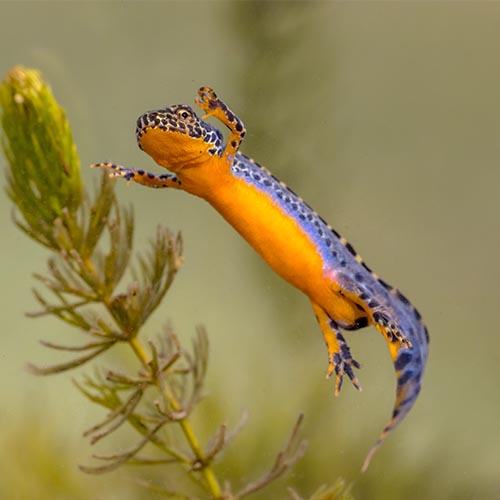
Alpine newts (Ichthyosaura alpestris) are fascinating amphibians with striking colours and adaptability to semi-aquatic environments. Proper feeding is critical for their health, longevity, and vibrant appearance. This guide provides an in-depth look at what and how to feed alpine newts in captivity.
Natural Diet
In the wild, alpine newts primarily consume carnivorous diets consisting of small invertebrates. Their prey includes:
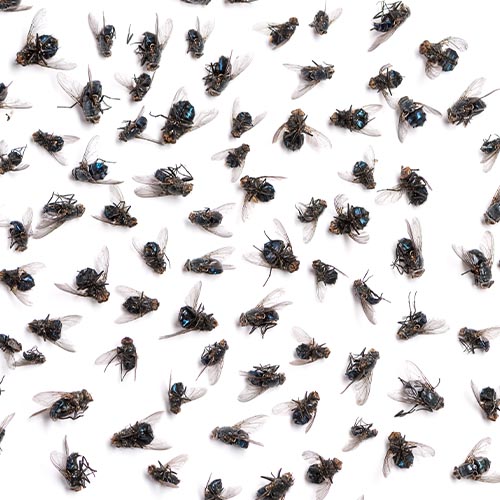
- Insects: Such as flies and beetles.
- Aquatic Larvae: Mosquito and other insect larvae are a significant part of their diet.
- Crustaceans and Gastropods: Daphnia, water fleas, and small snails are commonly eaten.
- Springtails and Worms: A nutritious option for their terrestrial phases.
This varied diet ensures a broad spectrum of nutrients, supporting their active lifestyle and reproductive needs during the breeding season
Captive Feeding Recommendations
Captive alpine newts should replicate this natural diversity. Here’s a list of suitable food options:
Live Foods:
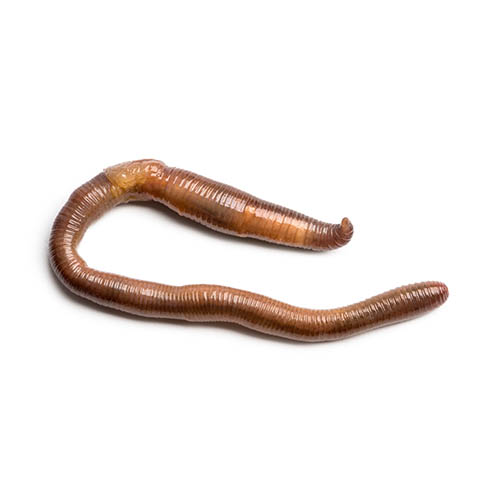
- Earthworms: Sliced into manageable pieces.
- Bloodworms and Tubifex: Ideal for their aquatic phase.
- Brine Shrimp and Daphnia: Excellent for juveniles and adults alike.
Insects:
- Crickets: Preferably gut-loaded for additional nutrients.
- Small Locusts: Another protein-rich choice.
- Fruit Flies: For smaller or juvenile newts.
Prepared Foods:
- Commercial amphibian pellets designed for carnivorous amphibians.
- Frozen bloodworms or brine shrimp, thawed before feeding.
Occasional Treats:
- Waxworms: High in fat and should be offered sparingly.
- Lean Meat Strips: Occasionally offered but removed if uneaten to prevent fouling.
Feeding Schedule
Adults: Feed every two to three days, offering food in the evening to align with their nocturnal habits. Provide only what they can consume within 15 minutes.
Juveniles: Require daily feeding due to their rapid growth.
Larvae: Feed small, frequent meals of microscopic prey like Artemia (brine shrimp nauplii) or infusoria.
Feeding Tips
- Variety is Key: Rotating food types prevents nutritional deficiencies.
- Supplementation: Dust live prey with calcium and multivitamin powders twice weekly, especially for breeding or growing newts.
- Hygiene: Remove uneaten food promptly to maintain water quality.
- Observation: Monitor their eating behaviour. A sudden lack of appetite could indicate stress, poor water conditions, or illness.
Seasonal Adjustments
During hibernation (if induced), reduce feeding as their metabolism slows. Light feeding once every few weeks suffices if they remain active. Post-hibernation, gradually increase feeding frequency to prepare them for breeding
Common Feeding Challenges
Reluctance to Eat:
- Stress due to improper habitat conditions (e.g., temperature or humidity) can suppress appetite.
- Ensure water quality is high and tank temperatures remain cool (10–20°C).
Selective Eating:
- Some newts may prefer live over frozen food. Experiment with different prey types to stimulate interest.
Nutritional Deficiencies:
- Lack of variety or failure to supplement prey can lead to issues like metabolic bone disease (MBD). Signs include lethargy and deformities.
Overfeeding:
- Excess food can foul the tank and lead to obesity. Stick to recommended portions.
Feeding During Breeding
During the breeding season, alpine newts consume more to fuel their energy-intensive mating activities. Offer high-protein foods like earthworms and bloodworms daily. Ensure their environment includes plenty of live aquatic plants for egg deposition.
Enclosure Considerations for Feeding
- Maintain separate terrestrial and aquatic zones in their habitat.
- Provide hiding spots near feeding areas to reduce stress during meals.
- Use a shallow feeding dish or scatter food in water to replicate natural foraging.
By following these guidelines, you can provide a diet that closely matches the alpine newt’s natural feeding habits, ensuring their health and longevity in captivity.
References
- “Alpine Newt Care Guide” – Everything Reptiles. Available at: Everything Reptiles
- “Caudata Culture Species Entry – Mesotriton Caudata Culture.
- “Alpine Newt Care Sheet” – Reptco UK. Reptco UK.