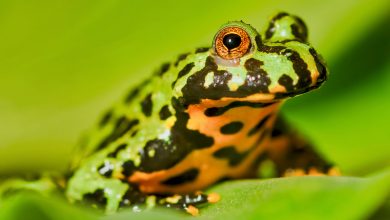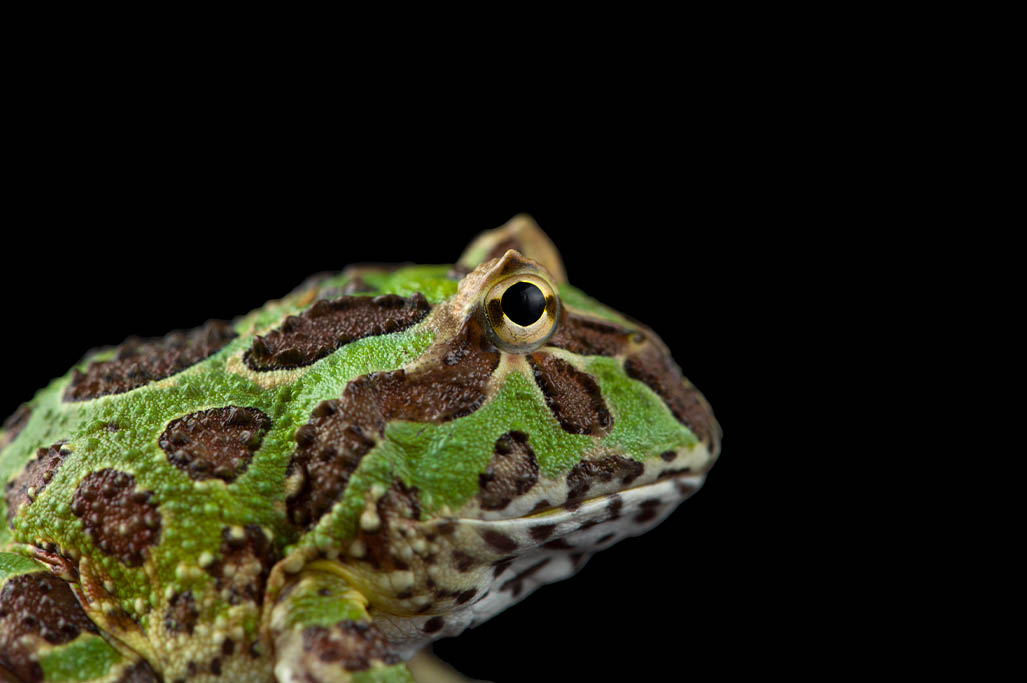
Pacman frogs, scientifically known as Ceratophrys ornata, are a popular choice among amphibian enthusiasts. Known for their vibrant colours, round bodies, and distinctively wide mouths, these frogs require specific care to thrive in captivity. One of the most crucial elements of their habitat is the substrate. Choosing the right substrate not only enhances the aesthetic appeal of the enclosure but also plays a vital role in the overall health and well-being of the frog. This article will explore the different types of substrates suitable for Pacman frogs, their advantages and disadvantages, and tips for maintaining a healthy environment.
Understanding the Natural Habitat of Pacman Frogs
To select an appropriate substrate, it’s essential to understand the natural habitat of Pacman frogs. These amphibians are native to the humid rainforests of South America, where they inhabit leaf litter, damp soil, and occasionally, shallow bodies of water. Their natural behaviour includes burrowing into the substrate to escape heat and find moisture. Consequently, a substrate that mimics these conditions is paramount for their well-being in captivity.
Types of Substrates for Pacman Frogs
When selecting a substrate for your Pacman frog, you have several options. Each substrate type comes with its own set of benefits and challenges.
Coconut Coir
- Description: Coconut coir is a natural fibre extracted from the husk of coconuts. It is often sold in compressed bricks that expand when moistened.
- Advantages:
- Highly absorbent, helping to maintain humidity levels.
- Naturally pest-resistant and free from harmful chemicals.
- Eco-friendly and biodegradable.
- Disadvantages:
- Can become compacted over time, making it difficult for frogs to burrow.
- Requires regular replacement to avoid the build-up of waste.
Sphagnum Moss
- Description: Sphagnum moss is a type of peat moss that is often used for its excellent moisture retention.
- Advantages:
- Provides a humid environment conducive to the health of Pacman frogs.
- Soft texture is gentle on the frog’s skin.
- Easy to spot-clean and replace as needed.
- Disadvantages:
- Can be expensive compared to other substrates.
- Requires frequent monitoring to prevent excessive moisture, which could lead to mould growth.
Invertebrate Soil
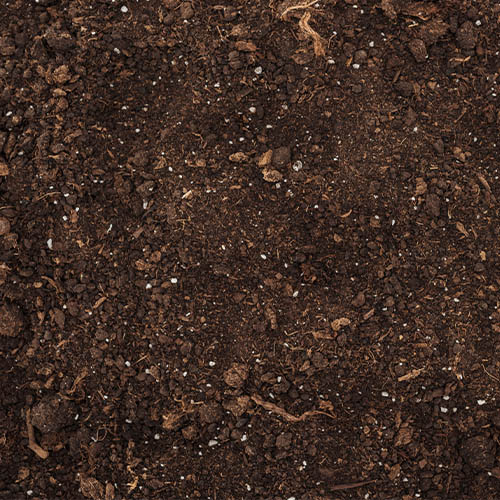
- Description: Invertebrate soil is a pre-mixed soil that can provide a naturalistic environment.
- Advantages:
- Excellent for burrowing behaviour, mimicking the frog’s natural habitat.
- Retains moisture well, promoting a humid environment.
- Often inexpensive and readily available.
- Disadvantages:
- Limited texture range
- Recommended to mix with other materials to prevent compaction.
Organic Potting Soil
- Description: Organic potting soil is a mixture of peat moss, compost, and other organic materials, designed for plant growth.
- Advantages:
- Contains nutrients that can benefit live plants in the enclosure.
- Offers a good balance of moisture retention and aeration.
- Disadvantages:
- Not all potting soils are suitable; some contain fertilisers or additives that could be harmful to frogs.
- Can dry out quickly if not monitored properly.
Sand
- Description: Play sand or silica sand can be used as a substrate, often in combination with other materials.
- Advantages:
- Provides excellent drainage and can help control humidity levels.
- Allows for natural digging behaviours.
- Disadvantages:
- Can cause impaction if ingested, especially if the frog burrows into the sand.
- Requires regular cleaning and replacement to maintain hygiene.
Reptile Carpet
- Description: Reptile carpet is a synthetic, non-absorbent substrate often used in reptile enclosures.
- Advantages:
- Easy to clean and replace, reducing the risk of bacterial growth.
- Provides a clean, easy-to-manage environment.
- Disadvantages:
- Does not retain moisture, making it unsuitable for Pacman frogs without additional humidity sources.
- Lacks the naturalistic feel that many enthusiasts prefer.
Factors to Consider When Choosing a Substrate

Humidity Levels: Pacman frogs require high humidity levels, typically around 60-80%. A substrate that retains moisture effectively is essential. Coconut coir and sphagnum moss are particularly good choices in this regard.
Burrowing Behaviour: These frogs enjoy burrowing into their substrate. Thus, a substrate that is too compact or too coarse may hinder this natural behaviour. Topsoil and coconut coir provide a suitable environment for burrowing.
Safety: Avoid substrates that can cause impaction if ingested. Sand and small gravel can pose a risk, especially if your frog tends to explore with its mouth.
Maintenance: Consider how easy it will be to maintain the substrate. Some substrates require regular replacement or mixing to prevent compaction and waste build-up.
Cost: Depending on your budget, some substrates may be more cost-effective than others. For instance, topsoil and coconut coir are generally inexpensive compared to sphagnum moss.
Availability: The substrate’s availability in your area can also influence your choice. Some substrates might be difficult to find, especially in larger quantities.
Creating a Suitable Habitat
Once you have chosen the right substrate, the next step is to create a suitable habitat for your Pacman frog. Here are some tips:
Layering: Use a minimum substrate depth of 4 to 6 inches to allow for adequate burrowing. For larger tanks, you can increase this depth to 8 inches or more.
Humidity Sources: To maintain humidity levels, consider adding a water dish that is shallow enough to prevent drowning but deep enough for soaking. Misting the enclosure daily can also help.
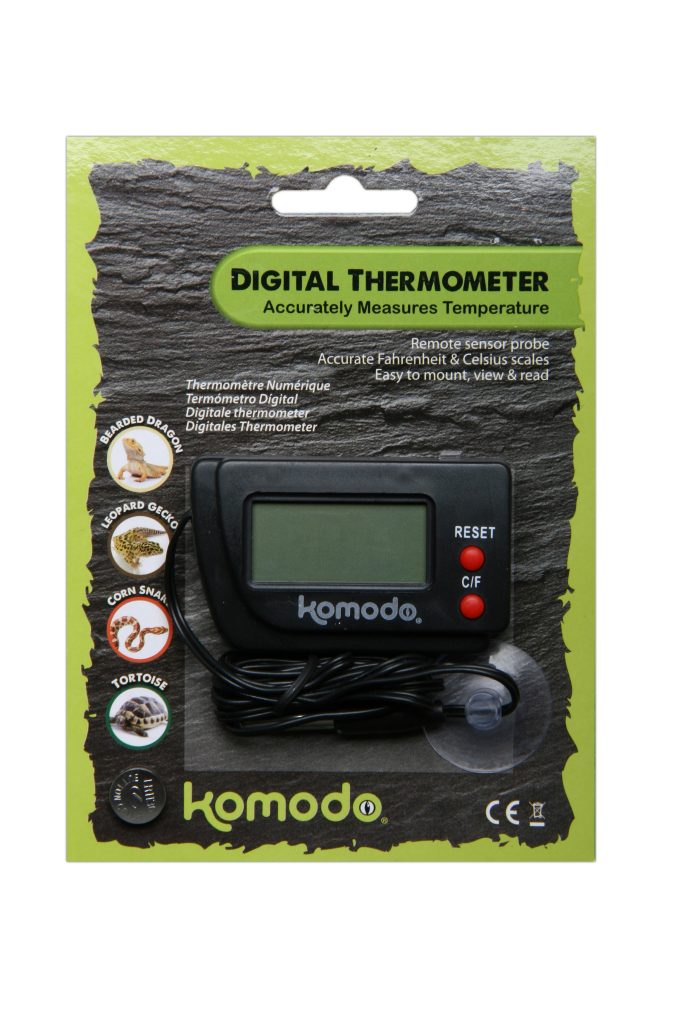
Temperature: Pacman frogs thrive in temperatures ranging from 22°C to 26°C (72°F to 79°F). Use a heat mat or under-tank heater to maintain an appropriate temperature gradient. Ensure there are cooler areas for the frogs to retreat to.
Plants and Hiding Spots: Incorporating live or artificial plants, along with hiding spots like caves or driftwood, can enrich your frog’s environment. This provides both shelter and a more naturalistic feel to the habitat.
Cleaning and Maintenance: Regular cleaning is crucial to prevent the build-up of waste and bacteria. Spot clean daily, removing uneaten food and waste, and replace the substrate as needed. Monitor humidity and temperature regularly to ensure a healthy environment.
Signs of an Unhealthy Substrate
It’s essential to monitor the condition of the substrate regularly. Signs that your substrate may be unhealthy include:
- Foul odours: This can indicate decay or bacterial growth.
- Excessive dryness: If the substrate is consistently dry, it may not be providing adequate humidity.
- Compaction: If the substrate becomes too compacted, it can hinder burrowing and lead to stress for your frog.
- Mould or fungi: This can pose health risks and should be addressed immediately.
Choosing the right substrate for your Pacman frog is a crucial step in ensuring its health and happiness. By considering the frog’s natural habitat, behaviours, and specific care needs, you can select a substrate that not only supports its well-being but also enhances the overall aesthetic of the enclosure. Whether you opt for coconut coir, sphagnum moss, topsoil, or another material, maintaining the right humidity levels and providing adequate burrowing space are key to creating a thriving environment for your amphibian companion.
References
PetMD. (2023). “Understanding the Environmental Needs of Pacman Frogs.”
Reptile Magazine. (2022). “Caring for Pacman Frogs: A Complete Guide.”
The Spruce Pets. (2023). “Pacman Frog Care: Habitat, Diet, and Breeding.”
Animal Planet. (2022). “Pacman Frog: Profile of a Fascinating Amphibian.”
Herpetological Review. (2021). “Substrates for Captive Amphibians: A Review.”
Frog Forum. (2023). “Best Substrates for Pacman Frogs: What to Use and What to Avoid.”
Tropical Fish Hobbyist. (2022). “Creating the Perfect Habitat for Pacman Frogs.”