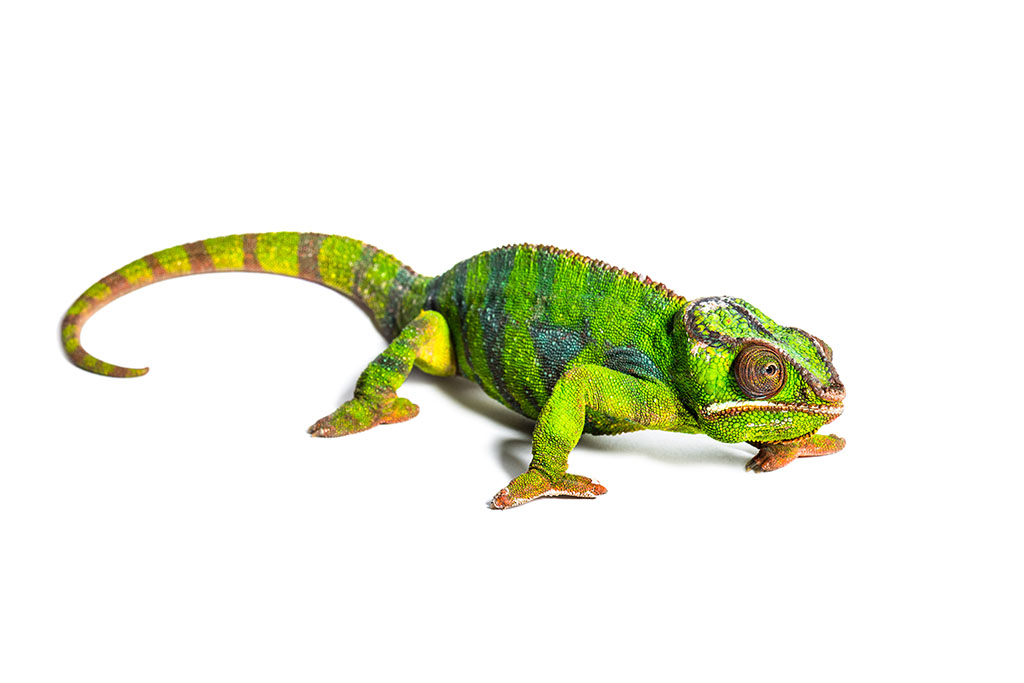
Panther chameleons are among the most popular pet reptiles for enthusiasts worldwide. Native to the tropical forests of Madagascar, these vibrant, visually stunning reptiles captivate with their extraordinary colour-changing abilities and distinctive personalities. However, as with any pet, caring for panther chameleons requires a commitment to their unique needs and lifestyle. This guide will introduce you to the basics of keeping and caring for panther chameleons, ideal for beginners who wish to ensure their pet’s health and happiness.
Introduction to Panther Chameleons
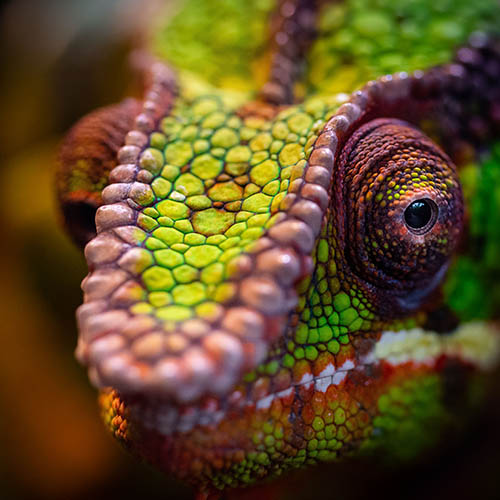
Scientific Name: Furcifer pardalis
Natural Habitat: Madagascar and surrounding islands
Size: Males up to 50 cm, females up to 35 cm
Lifespan: 5-7 years in captivity
Diet: Insectivorous (mainly crickets, locusts, and other invertebrates)
Temperament: Solitary and territorial
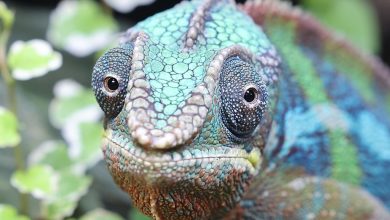
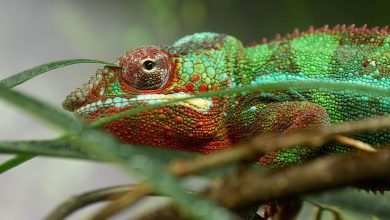
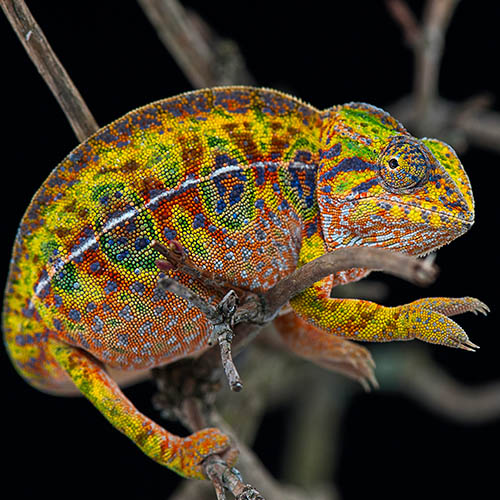
Panther chameleons are among the largest chameleon species, known for their vibrant colourations, which can range from bright blues, reds, and greens to yellows and oranges. Male panther chameleons are typically more colourful than females and use their striking patterns to communicate with rivals or attract mates. Their colour patterns often vary depending on their geographic locale, which gives rise to different “morphs” (colour varieties) such as the Nosy Be, Ambilobe, and Tamatave.
Choosing a Panther Chameleon
When selecting your first panther chameleon, it’s essential to choose a healthy specimen from a reputable breeder or pet store. A healthy chameleon should have bright, alert eyes, a rounded body, and active movements. Avoid chameleons that appear lethargic, have sunken eyes, or display any signs of respiratory issues (such as wheezing or excess mucus).
You will also need to consider whether you want a male or female chameleon. Males tend to be more vibrant and larger but may also be more territorial. Female chameleons are generally smaller and less colourful but can be prone to egg-laying even without a male, which requires careful monitoring.
Key considerations when selecting a panther chameleon:
- Look for signs of a healthy, well-adjusted reptile.
- Ensure the animal was bred in captivity to avoid contributing to the illegal pet trade.
- Be prepared for long-term care as they can live up to seven years in captivity.
Housing and Enclosure Setup
Panther chameleons are arboreal, meaning they live primarily in trees. In captivity, they require an enclosure that replicates their natural environment, allowing for climbing and proper airflow. A well-ventilated screen enclosure can be used, as it helps prevent respiratory infections by providing adequate air circulation but can only be used if temperatures can be maintained. Most good quality glass terrariums have large mesh top panels and front vents to maintain airflow.
Enclosure size:
For a single adult male, the recommended enclosure size is at least 24 x 24 x 48 inches (60 x 60 x 120 cm). Females can be housed in slightly smaller enclosures, but it’s always better to provide as much space as possible.
Essential enclosure features:

- Climbing opportunities: Panther chameleons need plenty of branches, vines, and foliage to climb on. Live plants such as pothos, ficus, and hibiscus can provide both enrichment and humidity.
- Lighting: Chameleons are diurnal, meaning they are active during the day and rely on UVB lighting for calcium metabolism and vitamin D3 production. A 5.0 UVB bulb is ideal for panther chameleons, and it should be on for 10-12 hours a day.
- Temperature: Create a temperature gradient in the enclosure, with a basking spot of around 32°C (90°F) and a cooler area of about 24-27°C (75-80°F). Nighttime temperatures can drop to around 18-21°C (65-70°F). A heat lamp should be safely placed at the top of the enclosure, where the chameleon can bask.
- Humidity: Panther chameleons require moderate to high humidity levels, ideally between 50-70%. Mist the enclosure multiple times a day or use an automatic misting system to maintain humidity. A drip system can also be beneficial, as chameleons often drink water from droplets on leaves.
- Substrate: The substrate, or flooring material, is less important in a chameleon enclosure as they rarely spend time on the ground. However, it’s crucial to keep the enclosure clean and dry to avoid mould or bacterial growth. A layer of paper towels or reptile carpet can work well otherwise a substrate which can tolerate higher humidity like bark or soil mixes.
Feeding and Nutrition
Panther chameleons are insectivores, meaning their diet consists primarily of live insects. In captivity, crickets, locusts, silkworms, and roaches are common feeder insects. Occasionally, small amounts of fruits and vegetables may be offered, though they tend to ignore plant matter.
Feeding tips:
- Variety: Providing a variety of insects is essential to prevent nutritional deficiencies. Gut-loading insects (feeding them nutritious food) before offering them to your chameleon ensures they get the necessary nutrients.
- Supplements: Dust the feeder insects with calcium powder without D3 at every feeding and with a multivitamin containing D3 once or twice a week. This helps prevent metabolic bone disease, a common issue in reptiles.
- Hydration: Unlike other animals, chameleons don’t drink from standing water. Instead, they drink water droplets from leaves, which is why regular misting or a drip system is crucial. Monitor your chameleon’s hydration by checking the colour of its urates (the solid white portion of their waste). White urates indicate good hydration, while yellow or orange urates suggest dehydration.
Handling and Temperament
Panther chameleons are solitary and territorial by nature. They don’t typically enjoy handling, and frequent interaction can cause stress. While some individuals may tolerate being held, it’s important to approach handling carefully and understand your chameleon’s limits.
Tips for handling:
- Allow your chameleon to come to you rather than forcing interaction. Hold your hand out in front of it and let it crawl onto you at its own pace.
- Limit handling to short periods and avoid grabbing or restraining the animal.
- Always wash your hands before and after handling to prevent the transmission of bacteria.
Understanding your chameleon’s body language is key to developing a respectful relationship. If a chameleon puffs up, hisses, or displays bright warning colours, it’s feeling threatened and should be left alone.
Health and Common Issues
Panther chameleons, like all reptiles, can suffer from a variety of health problems if their environmental needs are not met. Some common health issues include:
1. Metabolic Bone Disease (MBD):
Caused by a lack of calcium or improper lighting, MBD results in weak, deformed bones. Prevention includes proper supplementation and UVB lighting.
2. Respiratory Infections:
These occur due to improper humidity or poor ventilation. Signs include wheezing, open-mouth breathing, or mucus discharge from the nose or mouth.
3. Dehydration:
Chameleons can become dehydrated if they don’t have enough access to water. Signs include wrinkled skin and sunken eyes.
4. Parasites:
Internal parasites are common in wild-caught chameleons but can also affect captive-bred ones. A veterinarian can check for parasites through fecal exams and prescribe appropriate treatments.
5. Egg-Binding in Females:
Even without a male, female panther chameleons can produce infertile eggs. If a female is unable to lay her eggs, she can become egg-bound, a condition that requires veterinary intervention.
If you notice any of these symptoms or other unusual behaviours, such as lack of appetite or lethargy, consult a reptile veterinarian as soon as possible.
Breeding Panther Chameleons
Breeding panther chameleons can be a rewarding experience for more experienced reptile keepers. However, it requires a lot of time, space, and knowledge.
Sexing your chameleons:
Males are usually larger, with brighter colours and a wider tail base (where the hemipenes are stored). Females are smaller, more subdued in colour, and have a narrower tail base.
Introducing chameleons for breeding:
Panther chameleons are solitary animals, so males and females should only be introduced when the female is receptive to breeding. This is usually signaled by the female’s more vibrant colours and a lack of aggressive behaviours. The pair should be observed closely to ensure they don’t injure one another. After successful mating, the female will need to be provided with a laying box where she can deposit her eggs.
Incubating the eggs:
Panther chameleon eggs need to be incubated at around 22-25°C (72-78°F) in a moist but not wet medium (such as vermiculite or perlite). It can take 6-12 months for the eggs to hatch, depending on the temperature. This process requires careful monitoring and patience.
Panther chameleons are undoubtedly some of the most captivating reptiles to keep as pets. Their vibrant colours, unique behaviours, and fascinating ability to change colour make them a joy to observe. However, they are also delicate animals with very specific care requirements. As a beginner, it’s important to do thorough research, set up their environment correctly, and be prepared for the long-term commitment of keeping these stunning reptiles healthy and happy.
While they may not be the most interactive pets, panther chameleons reward careful, attentive care with their captivating beauty and intriguing behaviours. By providing the right environment, diet, and attention to their health, you can ensure that your panther chameleon thrives in captivity.
References:
Bartlett, R. D., & Bartlett, P. P. (2014). Chameleons: Their Care and Breeding. Barron’s Educational Series.
Ferguson, G. W., Gehrmann, W. H., & Karsten, K. B. (2009). The Panther Chameleon: A Comprehensive Guide to its Natural History, Care, and Breeding. Advanced Vivarium Systems.
Necas, P. (1999). Chameleons: Nature’s Hidden Jewels. Chimaira.
Reptiles Magazine. (2020). “Panther Chameleon Care Sheet.” Reptiles Magazine.
Sprackland, R. (2009). Chameleons: Care and Breeding of Jackson’s, Panther, Veiled, and Parson’s. TFH Publications.