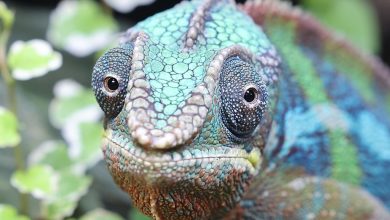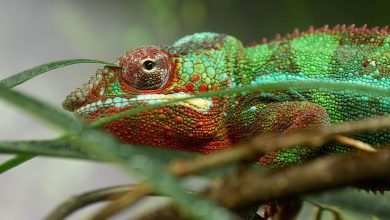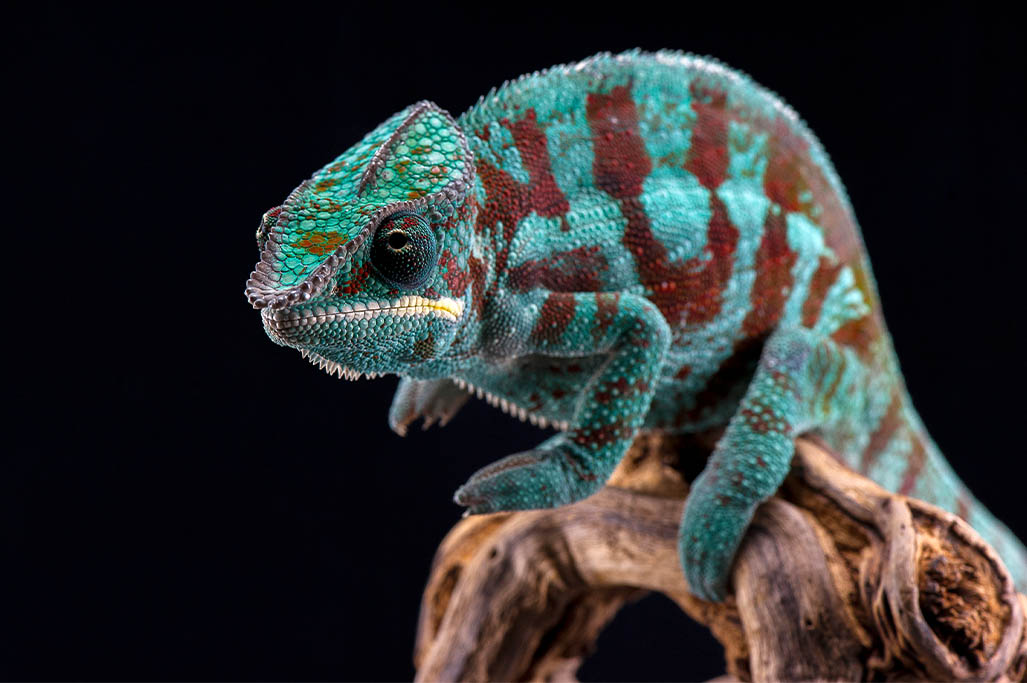
Panther chameleons (Furcifer pardalis) are one of the most stunning and sought-after reptile pets due to their vibrant colours and unique behaviours. However, providing them with an appropriate habitat is crucial to their health and wellbeing. This article will guide you through the essentials of choosing the right enclosure for your panther chameleon, covering aspects such as size, design, materials, and environmental needs.
Understanding the Needs of Your Panther Chameleon
Before diving into enclosure specifics, it is essential to understand the natural habitat and behavioural needs of panther chameleons. Native to Madagascar, these reptiles thrive in a warm, humid environment with plenty of foliage. They are arboreal, meaning they spend most of their time in trees. Consequently, their enclosure should replicate these natural conditions as closely as possible.
Size Matters
One of the first considerations when choosing an enclosure is its size. The recommended minimum size for an adult panther chameleon is 24 inches wide by 24 inches deep by 48 inches high (60 cm x 60 cm x 120 cm). This size allows the chameleon ample space to climb, explore, and bask. For juvenile chameleons, a smaller enclosure is suitable, but they should be moved to a larger habitat as they grow.
Vertical Space
Panther chameleons are climbers, and providing vertical space is vital. A taller enclosure is preferable as it allows for multiple branches, plants, and hides, enabling your chameleon to choose where to bask and rest. Using shelves or plants at different heights can create a more enriching environment.
Enclosure Types
There are several types of enclosures to consider:
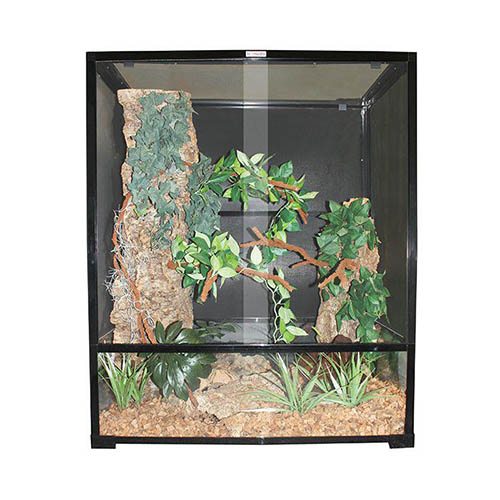
Glass Terrariums
Glass terrariums are popular for housing chameleons. They provide excellent visibility and can maintain humidity levels effectively. However, they may require additional ventilation, so ensure your enclosure has adequate air circulation. Glass terrariums can be heavier and more expensive, but they offer a clear view of your chameleon’s activity.
Screen Cages
Screen cages are another excellent option, especially for chameleons. They allow for maximum airflow and are generally lighter than glass terrariums. This design helps maintain humidity levels without causing condensation. However, these cages may not retain heat as effectively as glass, so you might need to monitor temperatures more closely.
Wooden or PVC Enclosures
Wooden or PVC enclosures can also be customised to fit your chameleon’s needs. They are sturdy and can provide better insulation for temperature control. However, these materials can be harder to clean and may require regular maintenance to prevent mould or bacteria buildup.
Enclosure Accessories
Once you have chosen the type of enclosure, it’s time to consider the accessories that will make your panther chameleon feel at home.
Branches and Climbing Structures
Providing various branches, vines, and shelves is crucial for your chameleon’s wellbeing. These structures allow your pet to climb and explore its habitat. Use natural branches and ensure they are secure and free from pesticides or chemicals.
Plants
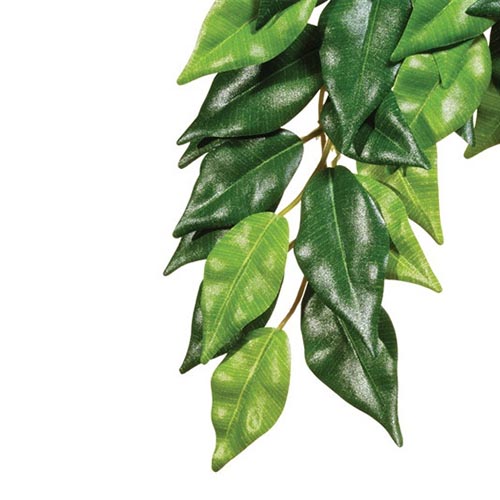
Live plants not only enhance the aesthetic of your chameleon’s home but also provide hiding spots and climbing opportunities. Consider using non-toxic plants such as pothos, ficus, or umbrella trees. Ensure the plants are safe for reptiles and free from chemicals.
Hides and Shelters
Chameleons require areas where they can retreat and feel secure. Hides can be made from various materials, such as coconut shells, cork bark, or even commercially available reptile hides. These spots help reduce stress and give your chameleon a sense of security.
Lighting and Heating
Proper lighting and heating are vital for your panther chameleon’s health.
UVB Lighting
Chameleons require UVB lighting to synthesise vitamin D3, which is essential for calcium absorption. A linear UVB light should cover the entire length of the enclosure and be positioned at the top to ensure your chameleon receives adequate exposure. Replace the UVB bulb every six months, as its effectiveness diminishes over time.
Basking Lights
In addition to UVB lighting, provide a basking light to create a warm area within the enclosure. This light mimics the sun and allows your chameleon to regulate its body temperature. The basking spot should be around 85°F to 90°F (29°C to 32°C), while the cooler areas of the enclosure should be around 70°F to 80°F (21°C to 27°C).
Humidity and Water
Maintaining proper humidity levels is critical for your panther chameleon’s health. The ideal humidity range is between 50% and 70%.
Misting Systems
Installing a misting system or using a handheld spray bottle to mist the enclosure regularly can help maintain humidity levels. Misting should occur at least twice a day, but more frequent misting may be necessary in warmer months.
Water Sources
Chameleons often prefer drinking water droplets from leaves rather than standing water. You can provide a shallow water dish, but ensure it is shallow enough to prevent drowning. Alternatively, using a drip system or providing water through misting can encourage your chameleon to hydrate effectively.
Enclosure Location
Where you place your chameleon’s enclosure is also important. Choose a location away from direct sunlight and drafts. The enclosure should be in a room that maintains stable temperatures, as fluctuations can stress your chameleon. A quiet area with minimal foot traffic is ideal, as panther chameleons can be skittish and easily stressed.
Cleaning and Maintenance
Regular cleaning is vital to ensure your panther chameleon’s habitat remains healthy. Remove uneaten food, shed skin, and faeces daily. Perform a more thorough cleaning every few weeks, which includes washing decor and replacing substrate.
Substrate
For the substrate, avoid sand or loose materials, as these can pose a choking hazard. Instead, consider using reptile carpet, paper towels, or a solid bottom to simplify cleaning.
Choosing the right enclosure for your panther chameleon is crucial to its health and wellbeing. By considering size, type, accessories, lighting, heating, humidity, and maintenance, you can create an environment that closely mimics its natural habitat. Investing time and effort into setting up the perfect enclosure will ensure your chameleon thrives and displays its beautiful colours and behaviours for years to come.
References
Young, A. (2020). “Lighting and Heating Requirements for Chameleons.” Reptile Magazine.12(1): 45-49.
Baines, F. (2021). The Complete Guide to Panther Chameleons: Care, Breeding, and More. Chameleon Enthusiasts Press.
Hargreaves, A. (2019). Chameleons: A Complete Pet Owner’s Manual. Barrons Educational Series.
Henneman, M. (2020). Caring for Your Chameleon: A Guide for Beginners. Reptile Care Publications.
McKeown, S. (2019). Reptile Keepers Guide: Panther Chameleons and Other Species. The Reptile Company.