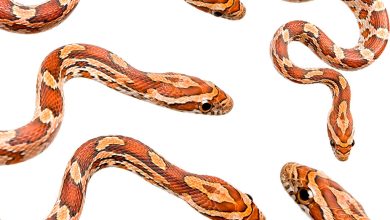
Corn snakes (Pantherophis guttatus) are one of the most popular pet snakes due to their docile nature, attractive colours, and relatively manageable size. If you are considering bringing a corn snake into your home, it is essential to create a suitable habitat for them. One of the most critical components of their environment is the substrate you choose. This article will guide you through the different types of substrates available, their advantages and disadvantages, and how to select the best one for your corn snake.
Understanding Substrates
A substrate is any material placed on the bottom of a reptile’s enclosure. The right substrate can help maintain humidity levels, allow for natural behaviours, and make cleaning easier. When choosing a substrate for your corn snake, consider factors such as comfort, safety, and ease of maintenance.
Key Considerations
- Safety: The substrate should not be harmful to your snake if ingested. Some materials can cause gastrointestinal blockages or be toxic.
- Comfort: Snakes require a substrate that allows them to burrow, hide, and feel secure. This is crucial for their psychological well-being.
- Humidity Control: Corn snakes thrive in specific humidity levels, typically between 40-60%. The substrate should help maintain this humidity without making the environment too wet.
- Odour Control: A good substrate will absorb moisture and odours, helping keep the enclosure smelling fresh.
- Ease of Cleaning: Some substrates are easier to clean than others. Choose one that fits your lifestyle and maintenance routine.
- Cost: The price of substrates varies significantly. Choose one that fits your budget while meeting your snake’s needs.
Types of Substrates
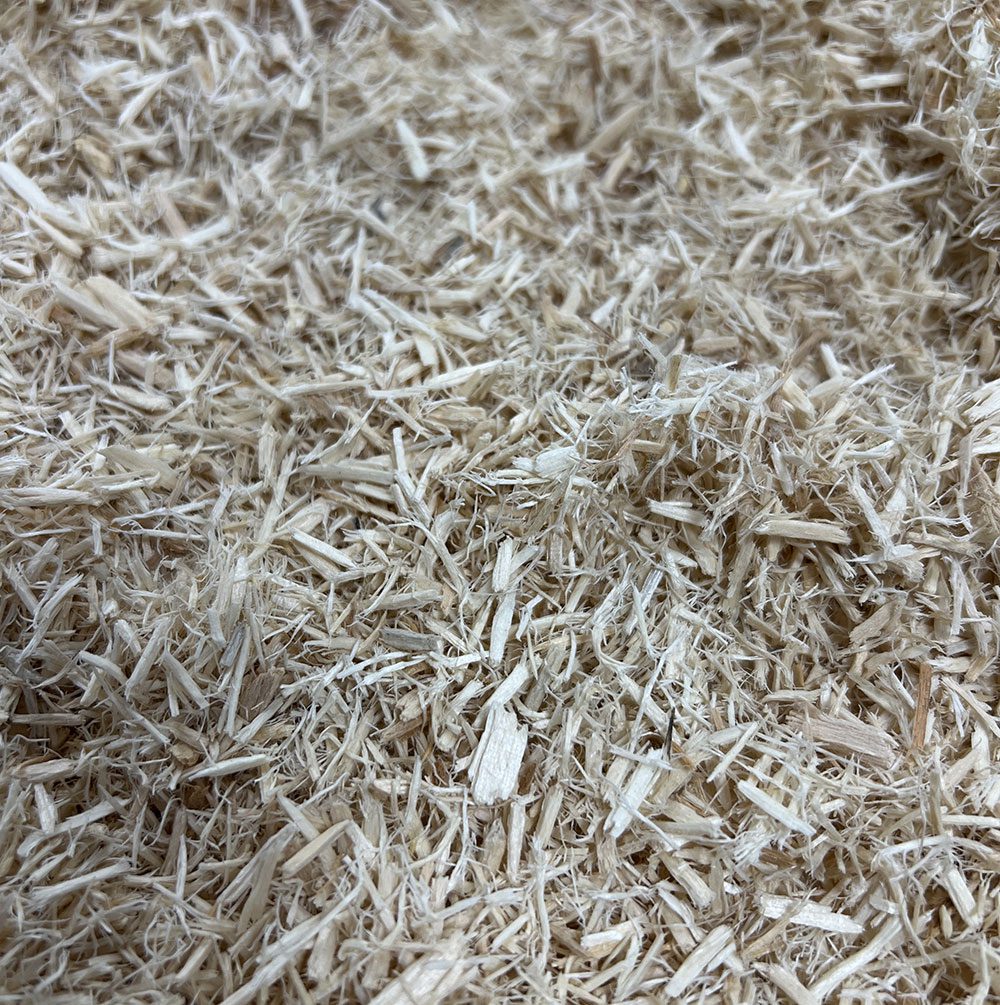
1. Aspen Shavings
Aspen shavings are a popular choice among corn snake owners. These wood shavings are non-toxic, absorb moisture well, and provide a natural environment for your snake.
Advantages:
- Non-toxic and safe if ingested.
- Excellent moisture absorption.
- Provides a natural look to the enclosure.
- Allows for burrowing, which corn snakes enjoy.
Disadvantages:
- Requires regular cleaning to prevent mould growth.
- Not ideal for humidity retention as it can dry out quickly.
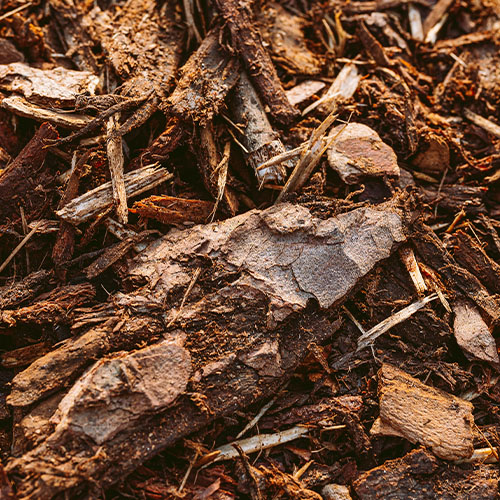
2. Reptile Bark /Cypress Mulch
Reptile Bark / Cypress mulch is another natural substrate option. It is made from the shredded bark of trees and is known for its ability to retain moisture.
Advantages:
- Good humidity retention, which is beneficial for shedding.
- Natural and safe for your snake.
- Provides a substrate that allows for burrowing.
Disadvantages:
- Can be more expensive than aspen shavings.
- Requires regular cleaning to prevent odour and mould.
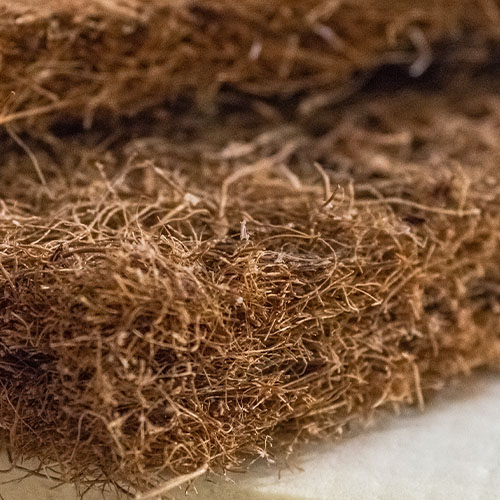
3. Coconut Fibre (Coir)
Coconut fibre is made from the husks of coconuts and is gaining popularity as a substrate for reptiles. It is eco-friendly, biodegradable, and excellent for humidity control.
Advantages:
- Excellent moisture retention, which helps maintain humidity levels.
- Soft texture is comfortable for your snake.
- Natural and safe if ingested.
Disadvantages:
- Can become compacted over time, making cleaning difficult.
- More expensive than traditional wood shavings.
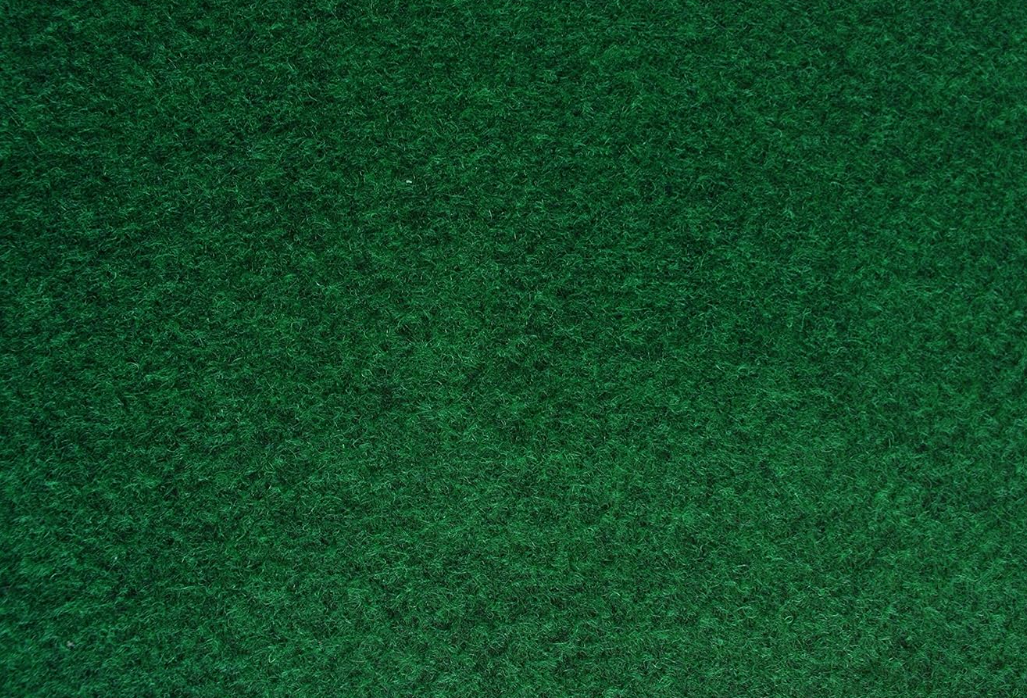
4. Reptile Carpet
Reptile carpet is a synthetic substrate designed for reptiles. It is washable and reusable, making it a convenient option for many snake owners.
Advantages:
- Easy to clean and maintain.
- Provides a non-slip surface for your snake.
- Durable and long-lasting.
Disadvantages:
- Does not absorb moisture or odours as well as organic substrates.
- May not provide the same natural environment as other options.
- Some snakes may try to burrow into it, which can lead to injury.
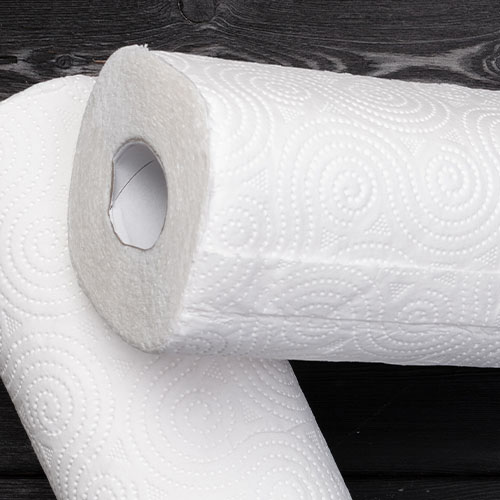
5. Paper Towels
While not a traditional substrate, many snake owners use paper towels as a substrate for hatchlings or sick snakes. They are inexpensive and easy to change.
Advantages:
- Very easy to clean and replace.
- Allows you to monitor your snake’s waste easily.
- Non-toxic and safe for ingestion.
Disadvantages:
- Lacks the natural feel and appearance of other substrates.
- Does not provide humidity retention.
- May not allow for natural behaviours like burrowing.
Factors to Consider When Choosing a Substrate
When selecting a substrate, consider the following factors:
- Age and Size of the Snake: Hatchlings may benefit from softer substrates like paper towels or reptile carpet, while adults can thrive on aspen shavings or coconut fibre.
- Habitat Setup: Consider the overall setup of the enclosure. If you have multiple hiding spots and climbing structures, a substrate that allows for burrowing can enhance your snake’s experience.
- Cleaning Routine: If you have limited time for cleaning, choose a substrate that is easy to maintain, like reptile carpet or paper towels.
- Health Considerations: If your snake has health issues or is in the recovery phase, a simple substrate like paper towels may be the best choice.
Recommendations
For a corn snake, many experienced keepers recommend using a combination of substrates to achieve the best results. For example, using aspen shavings as the primary substrate, along with a layer of coconut fibre or cypress mulch, can help maintain the right humidity while providing a comfortable environment for burrowing.
Hatchlings: For baby corn snakes, consider using paper towels initially to monitor their health. As they grow, switch to softer substrates like aspen or coconut fibre.
Adults: Adult corn snakes can thrive on aspen shavings or reptile bark /cypress mulch, depending on your humidity requirements. Always provide hides and climbing opportunities to enrich their environment.
Maintenance Tips
Regardless of the substrate you choose, regular maintenance is crucial for your corn snake’s health and happiness. Here are some tips for maintaining your substrate:
- Spot Clean Daily: Remove waste and uneaten food daily to keep the enclosure clean and odour-free.
- Full Change Monthly: Depending on the substrate type, perform a full substrate change every 4-6 weeks. This helps prevent mould and keeps the environment healthy.
- Monitor Humidity Levels: Use a hygrometer to check humidity levels regularly. Adjust your substrate or add a humidity box if necessary.
- Avoid Overcrowding: Ensure that the enclosure is not overcrowded with substrate or decorations, allowing your snake to move freely.
Choosing the right substrate for your corn snake is essential for their well-being. It should provide a safe, comfortable, and suitable environment that meets their natural behaviours. Aspen shavings, Reptile Bark or cypress mulch, coconut fibre, reptile carpet, and paper towels are all viable options, each with its advantages and disadvantages. By considering your snake’s age, habitat setup, cleaning routine, and health needs, you can select the best substrate to keep your corn snake happy and healthy.
By choosing the right substrate and ensuring proper maintenance, you can create a thriving environment for your corn snake, promoting its health and well-being.
References
K. O. M., & S. J. G. (2022). The Complete Guide to Corn Snakes: Care, Breeding, and More. Reptile Press.
Jones, L. (2020). Choosing Substrates for Your Reptile. Reptile Magazine. Available online at Reptile Magazine.
Hennessey, E. (2019). Top 5 Substrates for Corn Snakes. The Spruce Pets. Available online at The Spruce Pets.
Roberts, J. (2021). Snakes for Beginners: An Introduction to Keeping Snakes as Pets. Urban Reptiles Publishing.
Smith, T. (2018). Understanding Corn Snake Care. Pet Reptiles Magazine. Available online at Pet Reptiles Magazine.
Wilkins, R. (2023). Best Substrate for Snakes: A Guide. Reptile Insider. Available online at Reptile Insider.