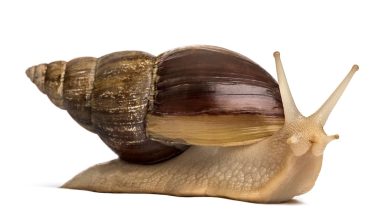
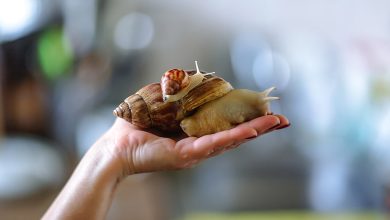
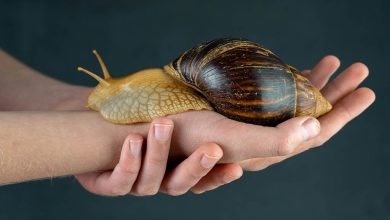
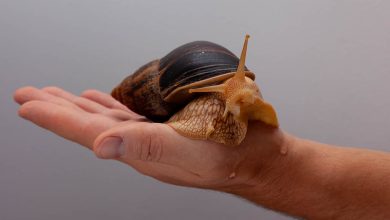
Giant African Land Snails (GALS), such as Achatina fulica and Archachatina marginata, are fascinating and low-maintenance pets. While these nocturnal creatures do not have specific lighting needs, providing a suitable lighting environment supports their natural behaviours and overall wellbeing. This guide explores the lighting requirements and considerations for these snails, focusing on creating a habitat that mimics their natural environment.
Understanding Giant African Land Snail Lighting Needs
Natural Habitat Simulation: GALS originate from tropical climates in East Africa, where they live under shaded conditions with minimal exposure to direct sunlight. They are primarily nocturnal and exhibit increased activity during dusk and night-time. Mimicking this natural cycle ensures their comfort and encourages typical behaviours like foraging and burrowing.
General Lighting Requirements: Ambient light is sufficient for these snails, as they avoid bright and harsh lighting. Their sensitive eyes can be affected by excessive light exposure, so ensure their enclosure is not in direct sunlight or under bright artificial lights.
Day-Night Cycle: Maintaining a natural light cycle (e.g., 12 hours of light and 12 hours of darkness) can benefit the snails, particularly if housed in dim or windowless areas. Using a low-intensity light source, such as an LED lamp with adjustable brightness, can simulate daylight when natural light is unavailable.
Lighting Options for Giant African Land Snails

Natural Lighting:
- Place the enclosure in a room with indirect natural sunlight.
- Avoid placing the tank near windows where heat and intense light may harm the snails.
Artificial Lighting:
- Use low-intensity lights if artificial lighting is necessary.
- Ensure the light source does not heat the enclosure excessively, as snails thrive at temperatures between 20–28°C.
UVB Lighting (Optional):
- Although GALS do not specifically require UVB light, it may be beneficial for their calcium metabolism. This is not essential for all setups but can be considered in cases of suspected shell health issues.
Practical Considerations
Location of the Enclosure:
- Position the enclosure away from direct light sources like desk lamps or bright overhead fixtures.
- A dimly lit corner of a room with consistent ambient light levels works well.
Preventing Overheating:
- Excessive lighting can dry out the substrate and stress the snails. Pair any artificial lights with a thermostat to monitor temperature levels.
Monitoring Snail Behaviour:
- Observe how the snails react to the lighting. Signs of discomfort include prolonged hiding or inactivity during usual foraging hours.
Enhancing Visibility for Observation:
- Low-level red or blue lights can be used temporarily to observe nocturnal activities without disturbing the snails’ natural behaviour.
Humidity and Lighting Relationship
Giant African Land Snails rely heavily on high humidity levels (75–90%). Bright lighting can inadvertently dry out the environment, necessitating frequent misting. To maintain appropriate humidity:
- Use a spray bottle to lightly mist the substrate daily.
- Incorporate live plants or moss to retain moisture while enhancing enclosure aesthetics.
Benefits of Proper Lighting
Providing the right lighting conditions has the following advantages:
Supports shell health indirectly by aiding calcium metabolism, particularly when paired with a proper diet.
Encourages natural behaviour such as burrowing, climbing, and feeding.
Prevents stress caused by excessive brightness or heat.
Final Tips
- Avoid compact fluorescent bulbs and incandescent lights, which may emit excessive heat.
- Test the enclosure’s temperature and humidity regularly to ensure stability.
- Combine appropriate lighting with other environmental factors, such as a consistent diet and enriched substrate, to create a holistic habitat.
By respecting their natural preferences for dim, indirect light and prioritising their need for humidity and stable temperatures, you can create a comfortable and healthy environment for your Giant African Land Snails.
References
The Spruce Pets: Should You Keep a Giant African Land Snail as a Pet?