Praying mantises are fascinating and delicate creatures, making handling them a rewarding yet cautious experience. Proper handling is essential to ensure the safety of both you and your mantis. Below is a comprehensive guide on safely interacting with your mantis.
Understanding Praying Mantises and Their Behaviour
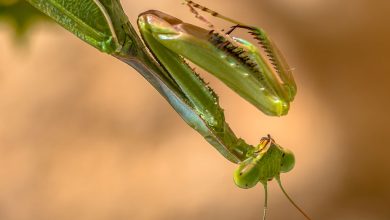
Praying mantises are predatory insects known for their sharp forelegs and keen reflexes. Despite their aggressive hunting nature, mantises are generally docile towards humans. Each mantis has a unique temperament—some are more tolerant of handling, while others might show signs of stress. Recognising these individual traits helps ensure a positive handling experience.
Preparation Before Handling
Timing: Do not handle your mantis during molting or shortly afterward, as they are highly vulnerable during these stages.
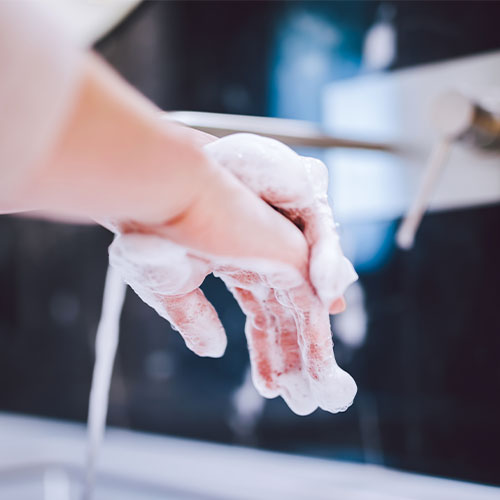
Clean Hands: Always wash your hands before handling your mantis. Avoid using lotions, perfumes, or chemicals that could harm them.
Steps to Safely Handle Your Mantis
- Gentle Approach:
- Use slow, non-threatening movements to avoid startling your mantis.
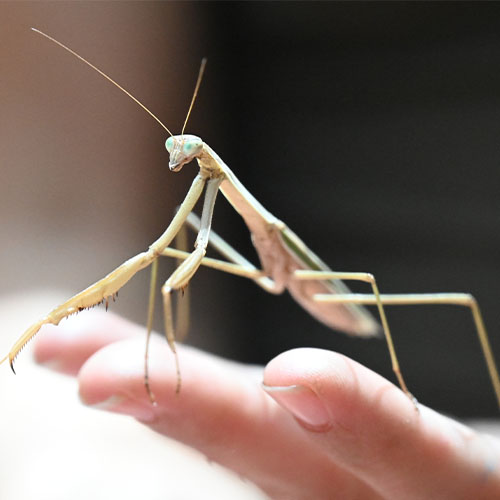
- Never grab your mantis; instead, coax it onto your hand by placing a finger or stick in front of it.
- Slightly nudge its front legs gently to encourage climbing.
- Avoid Squeezing: Mantises are fragile, and even light pressure can cause injury. Always let them perch or climb voluntarily.
- Enclosed Environment: Handle your mantis over a table or within its enclosure to prevent accidental falls, which can be fatal.
How to Recognise Stress in a Mantis
Signs of stress include:
- Attempting to escape or thrashing.
- Rearing back in a defensive posture.
- Sudden changes in behaviour, such as aggression or refusal to climb.
If your mantis shows these signs, return it to its enclosure immediately.
Benefits and Risks of Handling Mantises
Benefits:
- Observing unique behaviours up close.
- Building trust and familiarity.
Risks:
Bites or scratches: While rare and minor, larger mantises can inflict a small puncture with their spiny forelegs.
Injury to the mantis due to improper handling.
Bonding Without Physical Handling
For mantises that do not tolerate direct interaction, you can build a bond by spending time near their enclosure. Observing their behaviours and feeding them directly with tweezers or forceps can enhance your relationship without stress.
Additional Tips for Safe Handling
- Limit handling frequency to avoid disrupting your mantis’s natural routines.
- Always handle young mantises with extra care as they are more delicate than adults.
- Provide environmental enrichment like branches and plants inside their enclosure, which can make coaxing easier.
Handling a praying mantis can be a delightful experience if done with respect and care. Understanding their needs and recognising signs of stress ensures a safe interaction for both you and your insect companion.
References