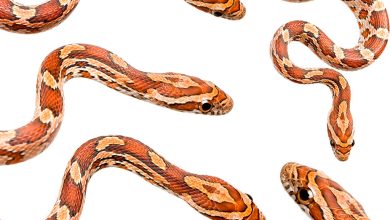
Corn snakes (Pantherophis guttatus) are one of the most popular pet snakes due to their docile nature, vibrant colours, and relatively simple care requirements. Understanding their habitat needs is crucial for ensuring their health and well-being. This article will delve into the ideal temperature and humidity levels for corn snakes, the reasons behind these requirements, and tips for maintaining the right conditions in their enclosures.
Overview of Corn Snakes
Corn snakes are native to North America, primarily found in the south-eastern United States. They thrive in a variety of habitats, including grasslands, forests, and agricultural fields. Corn snakes are typically characterised by their orange and brown colouration with distinct black markings, making them quite appealing to reptile enthusiasts.
Habitat and Natural Environment
In the wild, corn snakes are often found in environments that experience significant temperature variations throughout the day. They are primarily terrestrial but are also proficient climbers, often seeking refuge in trees and shrubs. Understanding their natural habitat is essential for replicating the correct conditions in captivity.
Ideal Temperature Ranges
1. Temperature Gradient

Corn snakes require a temperature gradient in their enclosure to mimic their natural habitat. This gradient allows them to regulate their body temperature through behavioural means, known as thermoregulation. The ideal temperature gradient for corn snakes is as follows:
- Basking Area: 29°C to 32°C (85°F to 90°F)
- Cool End: 21°C to 24°C (70°F to 75°F)
The basking area should be warmer to enable the snake to absorb heat. The cool end provides a place for the snake to retreat if it becomes too warm. A temperature differential of at least 5°C (10°F) is essential for their thermoregulation.
2. Day and Night Temperature Variation
Corn snakes also benefit from a slight drop in temperature at night. A nighttime temperature of around 18°C to 21°C (65°F to 70°F) is appropriate. This mimics the natural day-night cycle and helps in regulating their biological rhythms.
3. Monitoring Temperatures
It is crucial to monitor the temperatures within the enclosure to ensure they remain within the desired range. Using a digital thermometer with probes placed at both ends of the enclosure can provide accurate readings. Additionally, an infrared thermometer can help spot-check the basking surface temperature.
Importance of Temperature Regulation
Maintaining the correct temperature is vital for several reasons:
1. Digestion
Corn snakes are ectothermic, meaning they rely on external heat sources to regulate their body temperature. Proper temperature regulation is essential for their metabolic processes, including digestion. If the snake is too cold, its metabolism slows down, leading to digestive issues and potential health problems. A temperature of at least 28°C (82°F) is required for optimal digestion.
2. Immune Function
Temperature also affects the immune function of corn snakes. A well-regulated temperature environment helps maintain a robust immune system, protecting them from infections and diseases. If temperatures are too low, snakes may become more susceptible to illness.
3. Behavioural Well-being
Inadequate temperatures can lead to stress in corn snakes. Stress can manifest in various ways, including excessive hiding, decreased appetite, and defensive behaviour. Providing an appropriate temperature range allows corn snakes to exhibit natural behaviours and ensures their overall well-being.
Ideal Humidity Levels
1. Humidity Range

In addition to temperature, humidity plays a crucial role in the health of corn snakes. The ideal humidity level for corn snakes ranges from 40% to 60%. Maintaining this humidity level mimics their natural environment and helps prevent issues related to dehydration and shedding.
2. Importance of Humidity
Humidity is essential for several reasons:
- Shedding: Corn snakes, like all reptiles, shed their skin periodically. Proper humidity levels are necessary to facilitate this process. Insufficient humidity can lead to incomplete sheds, known as “shed problems,” where the old skin remains stuck to the snake. This can cause discomfort and health issues.
- Hydration: Corn snakes absorb moisture through their skin and from their environment. Adequate humidity levels help prevent dehydration, which can lead to health problems such as kidney disease and other organ failures.
3. Measuring Humidity
To monitor humidity levels in a corn snake’s enclosure, a hygrometer should be used. Digital hygrometers are generally more accurate and easier to read than analog versions. Place the hygrometer in the middle of the enclosure for a representative reading. Regular monitoring helps ensure humidity levels remain stable.
Maintaining Temperature and Humidity
1. Heating Equipment
To achieve the desired temperature gradient, specific heating equipment is necessary:
- Heat Mats: Heat mats provide a consistent heat source and can be placed under one side of the enclosure. They are ideal for creating a warm basking area. Ensure that the heat mat is thermostatically controlled to prevent overheating.
- Basking Bulbs: Basking bulbs can also be used to provide additional heat. These bulbs emit both heat and light, mimicking the sun’s natural rays. Position the bulb above the basking area, ensuring it does not get too close to the snake or any substrates to prevent burns.
- Ceramic Heaters: For larger enclosures, ceramic heat emitters can be a good option. They provide heat without light, making them suitable for night-time use.
2. Humidity Control
Maintaining proper humidity levels can be achieved through various methods:
- Water Bowls: A shallow water dish should always be available for drinking and soaking. The bowl’s size should be adequate for the snake to submerge its body, which can help with hydration and humidity.
- Substrate: The choice of substrate can influence humidity levels. Using a substrate that retains moisture, such as coconut fibre or cypress mulch, can help maintain humidity. Avoid substrates that dry out quickly, such as sand.
- Misting: Occasionally misting the enclosure can help increase humidity. However, avoid over-misting, as this can lead to excessive humidity levels, creating a breeding ground for mould and bacteria.
- Ventilation: Good airflow is necessary to prevent stagnant air, which can lead to respiratory problems. Ensure there are sufficient ventilation holes in the enclosure while maintaining adequate humidity levels.
Seasonal Considerations
1. Seasonal Temperature Changes

In colder months, maintaining the correct temperature can be challenging. Additional heating may be necessary to ensure that the enclosure does not drop below the recommended temperatures. During the summer, be cautious about overheating, particularly if the enclosure is in a location exposed to direct sunlight.
2. Seasonal Humidity Changes
Humidity levels can also fluctuate with the seasons. During the winter months, heating can dry out the air, reducing humidity levels in the enclosure. To combat this, consider using a humidifier in the room where the snake is housed or providing additional water sources.
Common Mistakes to Avoid
- Inadequate Temperature Gradient: Providing only a single temperature without a gradient can lead to stress and health problems in corn snakes.
- Overheating: Using heating elements without a thermostat can result in dangerously high temperatures. Always monitor heat sources carefully.
- Low Humidity: Neglecting humidity levels can lead to shedding problems and dehydration.
- Improper Ventilation: Stale air can lead to respiratory issues. Ensure there are adequate ventilation holes in the enclosure.
- Ignoring Seasonal Changes: Failing to adjust heating and humidity levels according to seasonal changes can adversely affect the snake’s health.
Understanding and maintaining the appropriate temperature and humidity levels is vital for the health and well-being of corn snakes. By replicating their natural habitat as closely as possible, snake owners can provide a comfortable and thriving environment. Monitoring conditions regularly and making necessary adjustments will ensure that these fascinating reptiles remain healthy and happy.
References
Tynan, A. (2020). Corn Snake Care: A Complete Guide. Reptile Magazine.
R. W. (2019). Reptile and Amphibian Care: A Guide for Owners. Pet Care Publishing.
Phillips, M. (2018). The Complete Guide to Corn Snakes. Pet Publishing.
Greene, H. (2016). Understanding Temperature and Humidity in Reptile Habitats. Herpetological Conservation and Biology.
Speer, J. (2021). Snake Care 101: Understanding Your Corn Snake. Snake Nation.
Pritchard, P. (2017). Humidity Control in Reptile Enclosures: A Practical Guide. Exotic Pet Care Journal.
Thompson, C. (2022). Corn Snakes: Behaviour, Habitat, and Care Requirements. Journal of Herpetology.