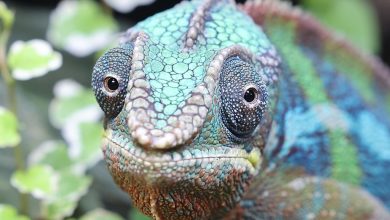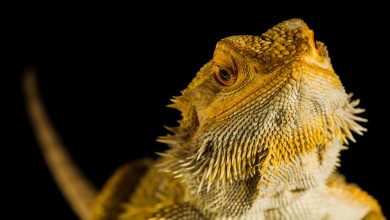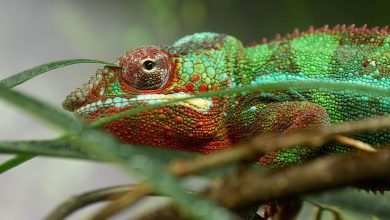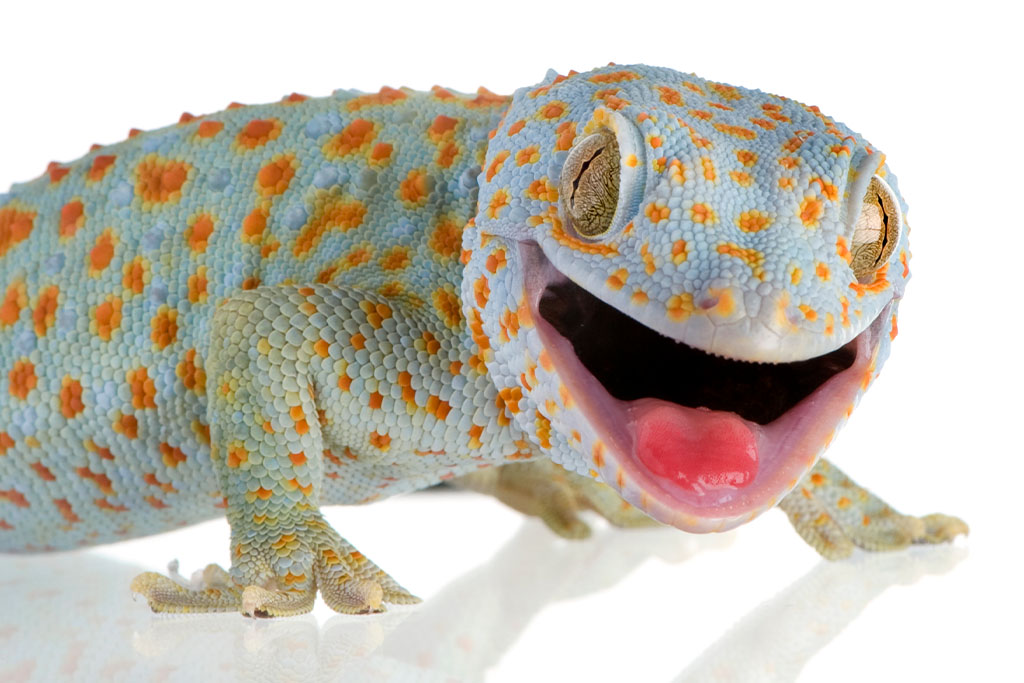
Tokay Geckos (Gekko gecko) are fascinating creatures known for their vibrant colours and bold personalities. Native to Southeast Asia, these medium-sized lizards are popular pets among reptile enthusiasts. Despite their hardy nature, they require specific environmental conditions and care to thrive in captivity. Whether you’re a new owner or an experienced herpetologist, knowing what supplies are essential for their care is crucial. This article will explore the top ten essential supplies for keeping Tokay Geckos healthy and happy.
1. Appropriate Enclosure (Terrarium)
The first and most important item you’ll need for your Tokay Gecko is a suitable enclosure. These geckos are arboreal, meaning they spend most of their time in trees. Therefore, a tall enclosure with plenty of vertical space is ideal.
- Size: The recommended size for an adult Tokay Gecko is at least 60cm x 45cm x 90cm (24″ x 18″ x 36″), but bigger is always better, especially if you plan on keeping more than one gecko.
- Material: Glass terrariums with front-opening doors are highly recommended for ease of access and cleaning.
- Ventilation: Proper airflow is essential to prevent the build-up of humidity and bacteria. Most terrariums come with mesh tops that allow for adequate ventilation.
The enclosure should mimic the gecko’s natural habitat, so ensuring it is both spacious and equipped with the right materials is key to their comfort and well-being.
2. Substrate
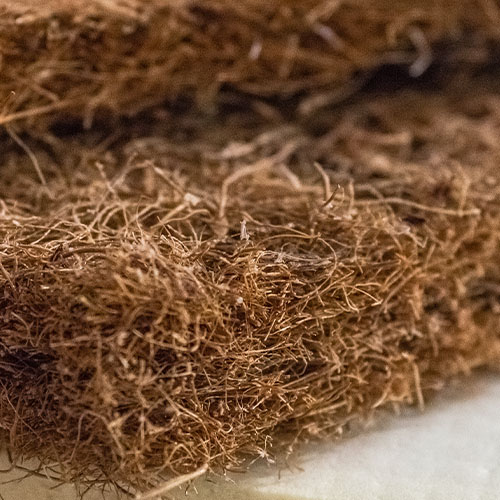
Substrate refers to the material that lines the bottom of the enclosure. For Tokay Geckos, it’s important to choose a substrate that holds humidity well, since they thrive in environments with 60% to 80% humidity. At the same time, the substrate should be easy to clean and non-toxic.
- Coconut fibre: This is one of the most popular choices as it retains moisture and is safe for geckos.
- Orchid bark: Another good option that holds humidity well and has a more natural aesthetic.
- Paper towels: For those wanting something easy to clean, paper towels are a hygienic, albeit less natural-looking option.
Avoid substrates like sand or gravel, as they can cause impaction if ingested.
3. Climbing Structures
Since Tokay Geckos are arboreal, they need plenty of opportunities to climb and explore. Vertical space is crucial, so the more climbing structures you include, the happier and more active your gecko will be.
- Branches: Provide a variety of thick branches of different heights and textures.
- Cork bark: This is a favourite among many reptile keepers. It’s lightweight, looks natural, and is easy to arrange in various configurations.
- Vines: Artificial vines can be used to create a jungle-like environment. They also add more texture for the gecko to climb on.
The climbing structures should be sturdy, as Tokay Geckos are relatively large and strong compared to other geckos.
4. Hiding Places
Geckos are nocturnal and often seek shelter during the day. Providing ample hiding spots helps them feel secure and reduces stress.
- Caves: Commercially available reptile caves are an excellent option. These should be placed both on the floor of the enclosure and in higher areas, as Tokay Geckos prefer elevated hides.
- Hollow logs: These not only serve as hiding places but also as climbing structures, making them a multi-purpose item.
- Plants: Live or artificial plants can provide additional cover. If you choose live plants, make sure they can handle high humidity and are safe for reptiles.
The more options your gecko has for hiding and retreating, the less stressed it will be, resulting in better overall health.
5. Heating Equipment
Tokay Geckos are ectothermic, meaning they rely on external sources to regulate their body temperature. A proper heating setup is crucial to create the necessary temperature gradient within their enclosure.
- Basking light: Although Tokay Geckos are nocturnal, they benefit from a warm basking spot during the day. Use a low-wattage bulb to provide heat without over-lighting the enclosure.
- Under-tank heater (UTH) or Heat Mat: This can be used to create a warm spot at the bottom of the tank.
- Ceramic heat emitters: These are excellent for providing heat without light, ideal for geckos that are active during the night.
- Temperature gradient: The basking area should be kept at 28°C to 32°C (82°F to 90°F), while the cooler side of the enclosure can range from 22°C to 26°C (72°F to 78°F).
Always monitor the temperatures with a reliable thermometer to ensure your gecko is getting the correct heat.
6. Humidity Control
Tokay Geckos require a high-humidity environment, ideally between 60% and 80%. Maintaining this level is critical for their skin health, shedding, and overall well-being.
- Misting system: A misting system is a convenient way to maintain humidity levels automatically. Alternatively, you can mist the enclosure manually with a spray bottle several times a day.
- Humidity gauges: Place a hygrometer in the tank to monitor humidity levels accurately.
- Water dish: While Tokay Geckos may not drink from a bowl frequently, having one can help maintain humidity. Choose a shallow, wide dish.
Proper humidity also helps mimic the gecko’s natural habitat in tropical rainforests, making them feel more at home.

7. Lighting
Although Tokay Geckos are nocturnal, they benefit from proper lighting to establish a natural day-night cycle. They don’t require UVB light as much as some other reptiles, but providing it can enhance their health and well-being.
- UVB light: A low-level UVB light (2.0 to 5.0) can help in calcium absorption and overall health, even though Tokay Geckos are primarily nocturnal.
- Day-night cycle: Set a 12-hour day/night cycle using a timer. This mimics their natural environment and helps regulate their activity patterns.
Position the lights above the enclosure, ensuring there is a shaded area where the gecko can retreat if it doesn’t want to be exposed to the light.
8. Food and Water Dishes
Proper feeding equipment is essential to ensure your Tokay Gecko is well-nourished. While geckos don’t need fancy dishes, providing the right ones can make feeding easier for both you and your pet.
- Feeding tongs: Since Tokay Geckos can be aggressive and fast, using tongs to offer food is safer than hand-feeding.
- Shallow food dish: This can be used to place insects such as crickets or mealworms.
- Calcium dish: A small dish filled with calcium powder can be left in the enclosure for the gecko to lick from as needed.
- Water dish: While geckos get most of their water from mist droplets, having a small water dish is a good backup source.
Make sure to clean the dishes regularly to prevent bacterial growth.
9. Diet Supplements
In the wild, Tokay Geckos consume a wide variety of insects, but in captivity, their diet needs to be supplemented to ensure they get all the nutrients they need.
- Calcium powder: Tokay Geckos require calcium to maintain strong bones and avoid metabolic bone disease. Dust their food with calcium powder, especially if you are not using UVB lighting.
- Multivitamin powder: This should be given less frequently but is still essential for your gecko’s health.
- Gut-loaded insects: Always feed your gecko insects that have been gut-loaded (fed nutritious foods) for 24 hours prior to being offered to your gecko.
Tokay Geckos primarily eat insects such as crickets, mealworms, and roaches, so having a reliable source of live insects is crucial.
10. Cleaning Supplies
Maintaining a clean enclosure is vital for your Tokay Gecko’s health. Reptile enclosures can easily become breeding grounds for bacteria if not cleaned regularly.
- Spot cleaning tools: Use reptile-safe disinfectants and paper towels or sponges to spot clean daily. Remove any feces or uneaten food to prevent bacterial growth.
- Deep cleaning supplies: Once a month, perform a deep clean of the enclosure. Remove all substrate, wash all decorations, and disinfect the enclosure itself.
- Hand sanitiser: After handling your gecko or cleaning the tank, always wash your hands or use hand sanitiser to prevent the spread of bacteria or disease.
A well-maintained habitat ensures that your gecko stays healthy and avoids respiratory issues or infections.
Caring for a Tokay Gecko requires dedication and a commitment to providing the right environment and supplies. From creating a comfortable, secure habitat to ensuring a balanced diet and proper hygiene, each item on this list plays a crucial role in the health and happiness of your gecko. Ensuring you have the right supplies will help your gecko thrive in captivity, allowing you to enjoy the company of these colourful and charismatic reptiles for years to come.
References
- de Vosjoli, P. (2003). The Gecko: An Owner’s Guide to a Happy Healthy Pet. Howell Book House.
- Henkel, F.W., & Schmidt, W. (2003). Geckos: Biology, Husbandry, and Reproduction. Krieger Publishing Company.
- Bartlett, R.D., & Bartlett, P.P. (2006). Geckos: Everything About Selection, Care, Nutrition, Diseases, Breeding, and Behaviour. Barron’s Educational Series.
- Repashy, A., & Sprackland, R.G. (2009). Herpetoculture of Leopard Geckos and Other Gecko Species. BowTie Press.
- Allen, M., & Thompson, P. (2011). Reptiles and Amphibians: A Guide to Caring for Your Reptile. TFH Publications.