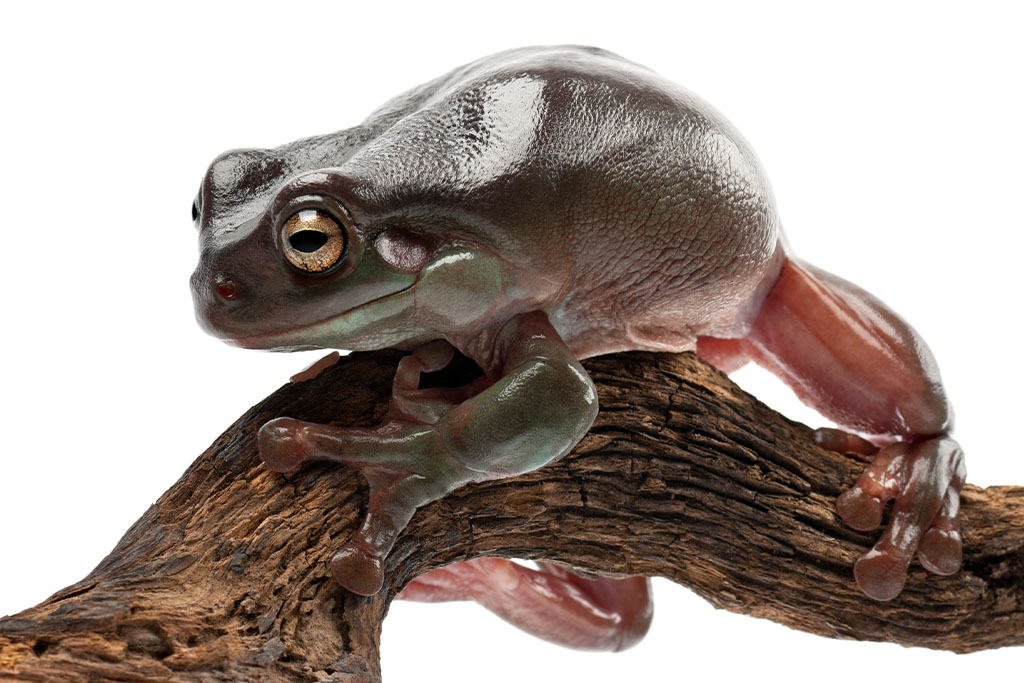
White’s Tree Frogs (Litoria caerulea), also known as Dumpy Tree Frogs or Australian Green Tree Frogs, are a popular pet species thanks to their calm nature, distinctive appearance, and relatively easy care requirements. Native to Australia and parts of New Guinea, these frogs are hardy, making them excellent for beginners who are interested in amphibian keeping. This article will provide a comprehensive guide for beginners, including habitat setup, feeding, handling, and general care.

Understanding White’s Tree Frogs
Physical Characteristics
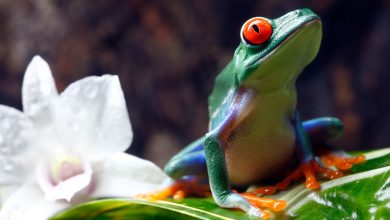
White’s Tree Frogs are easily identifiable by their vibrant green or blue-green coloration, which can sometimes have a brown or grey tint. They typically grow between 3 to 4.5 inches (7.5 to 11.5 cm) in length, with females generally being larger than males. Their distinguishing features include large, bulging eyes, and a layer of waxy skin that helps them retain moisture. They also possess sticky toe pads that allow them to cling to vertical surfaces.
Temperament
One of the reasons White’s Tree Frogs are so popular is their docile and tolerant nature. Unlike many other frog species, they are relatively calm when handled, although handling should still be kept to a minimum to avoid stressing the frog and damaging their sensitive skin.
Lifespan
With proper care, these frogs can live for 10 to 15 years in captivity, with some even reaching 20 years. Their longevity makes them a long-term commitment, so prospective owners should be prepared for the responsibility of long-term care.
Habitat Setup
White’s Tree Frogs are arboreal, meaning they spend a significant amount of their time in trees. As such, their enclosure needs to mimic a natural environment that provides both vertical space for climbing and horizontal space for exploring.
Terrarium Size
A 45 x 45 x 60cm (25-gallon) tall terrarium is suitable for a single frog, but a larger tank is always better, especially if you plan to keep more than one frog. For a pair or trio, a 45 x 60 x 60cm (30-gallon) or larger enclosure is recommended. The height of the tank is particularly important because these frogs love to climb.
Substrate
The substrate in the terrarium helps maintain humidity and provides a natural feel for your frog. Good options for White’s Tree Frogs include:
- Coconut fibre (eco-earth)
- Sphagnum moss
- A mix of soil, sand, and leaf litter for bioactive setups
Avoid gravel, sand alone, or any loose substrate that could be ingested by the frog.
Enclosure Décor
White’s Tree Frogs love to climb, so include plenty of sturdy branches, vines, and plants in the enclosure. Live plants not only enhance the aesthetic but also help regulate humidity. Good plant options include pothos, snake plants, and bromeliads. Artificial plants can also be used if live plants are difficult to maintain.
Provide a few hiding spots using logs, cork bark, or hides. Hiding spots help reduce stress and allow the frog to retreat when it feels threatened.
Lighting
White’s Tree Frogs do not have strict lighting requirements, but a 12-hour day/night cycle is recommended to mimic their natural environment. While UVB lighting is not strictly necessary, it can be beneficial for overall health, as it helps synthesize vitamin D3. Low-intensity UVB bulbs designed for amphibians (such as 2.0 or 5.0 UVB bulbs) are ideal.
Temperature and Humidity
White’s Tree Frogs thrive in temperatures between 24°C to 29°C (75°F and 85°F) during the day, with a slight drop to 18°C to 24°C (65°F to 75°F) at night. Use a combination of heat lamps or ceramic heat emitters to maintain the correct temperature gradient.
Humidity should be kept between 50% and 70%. This can be achieved by misting the enclosure daily or using an automatic misting system or fogger. Live plants and a water dish also contribute to maintaining appropriate humidity levels. Ensure proper ventilation to prevent mould growth and respiratory issues.
Water Source
White’s Tree Frogs require access to clean, dechlorinated water at all times. Provide a shallow water dish that is large enough for the frog to sit in, but shallow enough to prevent drowning. The water should be changed daily to ensure freshness and avoid contamination.
Feeding and Diet
White’s Tree Frogs are insectivores, meaning their diet consists primarily of insects. In captivity, they can be fed a variety of gut-loaded and vitamin-dusted insects.
Main Food Sources
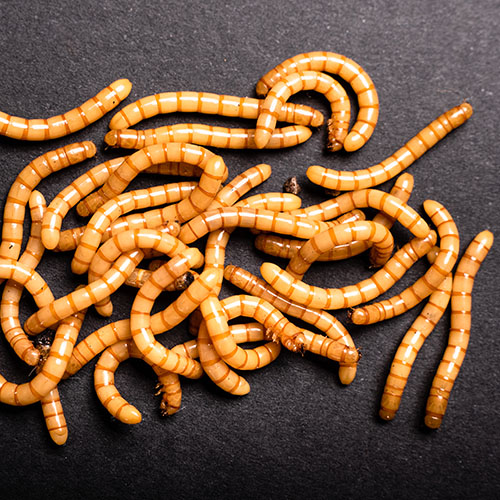
Mealworms, Waxworms, and Superworms: These can be offered occasionally as treats but should not be the main part of the diet due to their high-fat content.
Crickets: These are the staple diet for White’s Tree Frogs. Make sure to gut-load the crickets (feed them nutritious foods) before offering them to your frog.
Dubia Roaches: Another great source of protein, roaches are less likely to carry parasites than other insects and are highly nutritious.
Feeding Schedule
Young frogs should be fed daily, while adults can be fed every 2 to 3 days. Offer food in the evening or at night, as these frogs are nocturnal and will be more active during these times. Always dust the insects with a calcium supplement and a multivitamin supplement to prevent nutritional deficiencies.
Water Intake
White’s Tree Frogs absorb moisture through their skin, so they don’t typically drink from water dishes. Instead, they will soak in the water to hydrate themselves. It is essential to ensure that the water is dechlorinated, as chlorine and other chemicals can be harmful.
Handling and Interaction
While White’s Tree Frogs tolerate handling better than most amphibians, it is still important to handle them carefully and infrequently. Their skin is very sensitive and can absorb oils, lotions, and other substances from your hands, which can be harmful.
Safe Handling Tips
- Clean Hands: Always wash your hands thoroughly with clean, dechlorinated water before handling your frog.
- Gentle Approach: Handle the frog gently and avoid squeezing or restraining it too tightly.
- Limit Handling Time: Try to limit handling to short periods and avoid over-handling as it can cause stress to the frog.
Health and Wellness
White’s Tree Frogs are generally hardy, but like all pets, they can be susceptible to certain health issues. Recognizing the signs of illness early is key to ensuring they live a long and healthy life.
Common Health Issues
- Obesity: White’s Tree Frogs are known to overeat, especially in captivity. It’s essential to monitor their weight and avoid overfeeding.
- Parasites: Internal and external parasites can affect frogs. Regular fecal checks by a veterinarian specializing in amphibians can help catch parasitic infections early.
- Fungal Infections: These can occur in environments with poor ventilation or excessively high humidity.
- Metabolic Bone Disease (MBD): A calcium deficiency, often caused by a lack of proper UVB lighting or failure to supplement the diet with calcium. This can lead to deformities and weakness.
Signs of a Healthy Frog
A healthy White’s Tree Frog will have:
- Bright, clear eyes
- Smooth, moist skin
- A good appetite
- Active behaviour during the night
If you notice any signs of lethargy, swelling, abnormal skin conditions, or loss of appetite, it’s important to seek advice from a veterinarian with experience in amphibians.

Breeding White’s Tree Frogs
Breeding White’s Tree Frogs in captivity can be challenging, as they require specific environmental conditions to stimulate breeding. Typically, breeders will mimic the wet and dry seasons of their native habitats to trigger breeding behaviour.
Breeding Environment
A rain chamber is often used to replicate the rainy season. This setup increases humidity and simulates rainfall, encouraging the frogs to breed. Temperatures should be kept between 24°C to 27°C (75°F and 80°F), with a high humidity level of around 80%.
Egg Laying
If the frogs breed successfully, the female will lay her eggs in water, usually attaching them to submerged plants. The eggs will hatch within a few days, and the tadpoles can be raised on a diet of algae and commercial tadpole food until they undergo metamorphosis into froglets.
White’s Tree Frogs are an excellent choice for beginner amphibian keepers due to their hardy nature, calm temperament, and relatively easy care requirements. With proper habitat setup, a balanced diet, and appropriate handling, these frogs can thrive in captivity and bring years of enjoyment to their owners.
References
Barron, E. (2020). White’s Tree Frog Care Sheet. Reptiles Magazine.
Hewitt, K. (2019). The Complete Guide to White’s Tree Frogs: Care, Feeding, and Habitat. Amphibian Care.
Wilson, G. (2021). Keeping Amphibians as Pets: A Beginner’s Guide. Herp Haven Publishing.
Frost, D. R. (2017). Amphibian Species of the World 6.0: An Online Reference. American Museum of Natural History.
Griffiths, R. (2018). White’s Tree Frogs: Husbandry and Care.