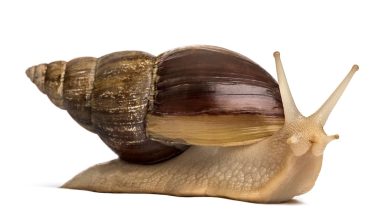
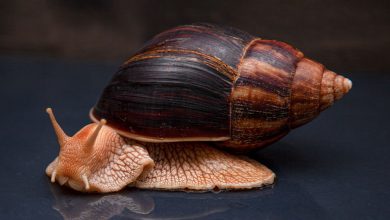
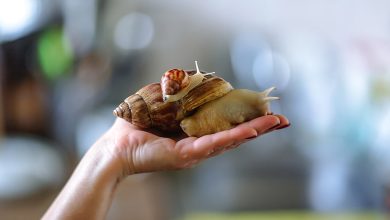
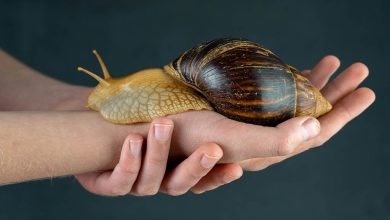
The Giant African Land Snail (Achatina and Archachatina spp.), commonly abbreviated as GALS, is one of the largest and most fascinating species of terrestrial molluscs. Native to the coastal areas of East Africa, particularly Kenya and Tanzania, these snails have earned their place in biological research, agriculture, and even pet keeping across the world. Their history is a complex narrative, rooted in African ecosystems, but stretching far beyond the continent due to human activity.
This article traces the historical journey of the Giant African Land Snail, from its origins and role in African ecosystems to its spread to other continents and its status today as both a pest and pet.
Origins and Native Habitat
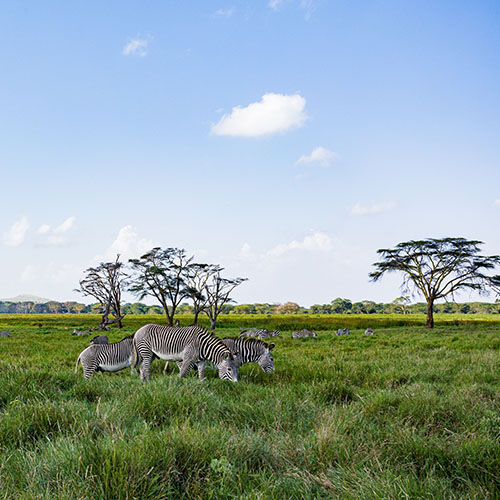
The Giant African Land Snail belongs to two primary genera: Achatina and Archachatina, with Achatina fulica being the most common species. These snails are native to the tropical and subtropical regions of Africa, primarily in East Africa. They thrive in warm, humid environments, and their large size, sometimes reaching up to 30 centimetres in length, allows them to survive in a range of ecological conditions.
In their native habitats, GALS play an important role in the ecosystem. They contribute to soil fertility through the decomposition of plant matter and recycling nutrients. Their shells, rich in calcium, also help return essential minerals to the soil when they decompose. Furthermore, they provide food for various predators, including birds, rodents, and even some larger mammals.
Classification and Anatomy
The Giant African Land Snail falls under the phylum Mollusca, class Gastropoda. These snails exhibit a spiral-shaped shell, which is typically dark brown with lighter bands. The shell grows with the snail, winding up in a right-handed, or dextral, spiral. The most commonly known species, Achatina fulica, has a conical shell and is particularly adaptable, contributing to its spread beyond Africa.
The snails are hermaphroditic, meaning they possess both male and female reproductive organs, which allows them to reproduce prolifically. A single snail can lay hundreds of eggs at a time, contributing to their ability to rapidly colonize new environments.
The Spread Beyond Africa
While GALS have long been a part of African ecosystems, their history beyond the continent is much more contentious. In the early 19th century, European colonialists began to encounter these creatures and transported them back to their home countries. Whether for scientific study, agriculture, or curiosity, the movement of these snails marked the beginning of their expansion beyond Africa.
However, it was during the 20th century that GALS truly began to spread across the globe, often with disastrous consequences. Their ability to survive in a wide range of environments, coupled with their high reproductive rate, made them invasive species in many parts of the world. They are now found in parts of Asia, the Pacific Islands, South America, and the Caribbean.
Agricultural Impact and Pest Status
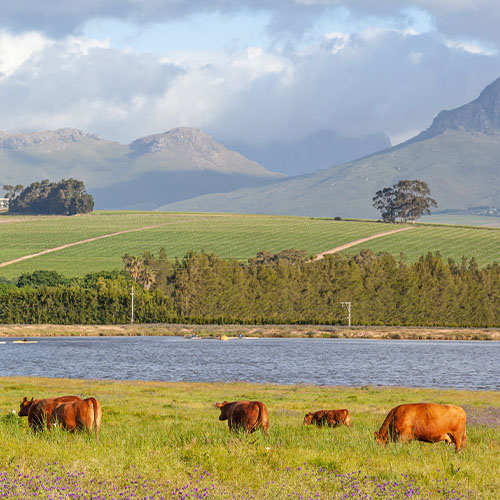
The introduction of Giant African Land Snails to non-native environments has often led to severe ecological and economic consequences. In countries with large agricultural industries, such as India and Brazil, GALS have become a major pest. These snails are voracious feeders, capable of consuming a wide variety of crops, including bananas, papayas, beans, and ornamental plants. They can cause significant damage to both subsistence and commercial agriculture.
In addition to direct crop damage, GALS can also negatively impact ecosystems by outcompeting native snail species and other invertebrates for food and habitat. They can alter soil composition by over-consuming plant matter and produce waste that fosters fungal and bacterial growth, further destabilizing native environments.
Introduction to the United States
One of the most notable invasions of GALS occurred in the United States, particularly in Florida. The first recorded introduction of these snails into the U.S. occurred in the 1960s when a boy brought three snails from Hawaii, and his grandmother released them into the garden. Within a few years, the population exploded, leading to one of the largest pest control operations in the state’s history.
Giant African Land Snails can carry a parasite called the rat lungworm (Angiostrongylus cantonensis), which can cause meningitis in humans. This added another dimension to the urgency of controlling the snail population. After nearly a decade of eradication efforts, the snails were eliminated from Florida in 1975. However, they were reintroduced multiple times in the 21st century, leading to ongoing control programs.
Use in Traditional Medicine and Cuisine
In their native African regions, GALS have long been used in traditional medicine and cuisine. In some African cultures, the snails are believed to have medicinal properties, particularly in treating gastrointestinal problems and promoting healing. The snail’s mucous has been studied for its potential antimicrobial and anti-inflammatory properties, although formal medical research on this subject remains limited.
In terms of cuisine, the consumption of snails, or “escargot,” is more commonly associated with French gastronomy. However, many African communities also consume GALS as a source of protein. Prepared by boiling or frying, the snails are often eaten with sauces and local seasonings. The consumption of GALS is not as widespread outside of Africa, but there is growing interest in some countries due to the snail’s high nutritional value.
Role as Pets
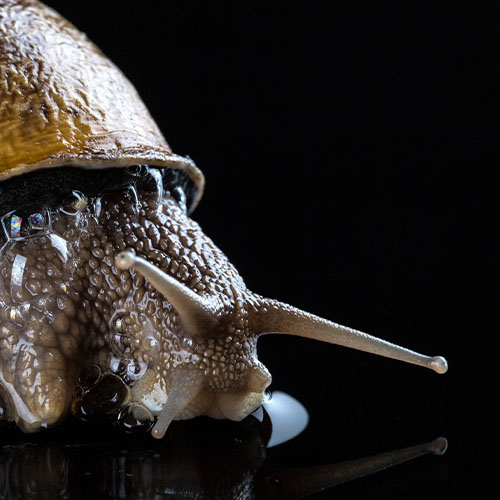
In recent decades, Giant African Land Snails have also gained popularity as pets, especially in Europe and parts of Asia. Their relatively low maintenance requirements and the fascination with their size and unique biology have made them appealing to collectors and hobbyists.
As pets, GALS require a warm, humid environment to thrive. They are primarily nocturnal creatures and feed on a diet of fruits, vegetables, and calcium supplements, which are necessary for shell growth. Despite their invasive status in many parts of the world, GALS are legal to keep as pets in certain regions, though strict regulations often govern their trade to prevent accidental release into the wild.
Conservation and Legal Status
Given their status as invasive species, most countries have stringent laws regarding the import and trade of GALS. In the United States, for example, it is illegal to import or transport Giant African Land Snails without a permit from the U.S. Department of Agriculture. Similar restrictions exist in Australia, Canada, and parts of Europe and Asia. In the UK it is still legal to keep and breed GALS without any licence or authorisation.
Despite their pest status in many parts of the world, GALS face threats in their native habitats due to habitat destruction and over-collection for food and the pet trade. In some parts of Africa, conservation efforts are in place to protect these snails, as they play an important role in local ecosystems.
The Future of Giant African Land Snails
The future of GALS is a complex interplay between their roles as pests, pets, and ecological contributors. While the international community continues to combat the spread of these snails in non-native regions, their importance to African ecosystems cannot be overlooked. There is growing interest in the potential use of GALS in sustainable agriculture, both as a food source and as a natural recycler of organic matter.
In terms of scientific research, GALS are frequently used as model organisms in neurological and behavioural studies due to their large size and simple nervous system. Their ability to regenerate tissues has also made them subjects of study in regenerative medicine.
Global Control Measures
The control of GALS has become a priority in many regions due to their destructive potential. Control measures often include the use of baiting, hand collection, and in some cases, the introduction of natural predators. However, because these snails are hermaphroditic and reproduce rapidly, eradicating them is often a significant challenge.
In countries where GALS are a major agricultural pest, such as India and Brazil, governments have invested in public awareness campaigns and research into biological control methods. In Hawaii, a particularly effective method has been the introduction of certain species of parasitic nematodes, which infect and kill the snails.
Despite these efforts, GALS continue to be a growing problem in many parts of the world, particularly in tropical and subtropical regions where their populations can quickly reach unsustainable levels.
The Giant African Land Snail’s journey from its native East African environment to becoming a global invader is a remarkable story of biological adaptability and human intervention. From playing a crucial role in African ecosystems to becoming a serious agricultural pest, the history of GALS highlights the importance of careful consideration when moving species beyond their natural habitats.
While the Giant African Land Snail remains a subject of scientific fascination and culinary interest, its role as a pest is a sobering reminder of the ecological consequences of species introductions. Continued efforts in research, conservation, and pest control will be necessary to manage the impact of this fascinating yet potentially destructive species.
References
- Barker, G. M. (2002). Gastropods as Pests in Global Agriculture. CABI Publishing.
- Cowie, R. H., & Robinson, D. G. (2003). Pathways of Introduction of Nonindigenous Land and Freshwater Snails and Slugs. Invasive Species Specialist Group.
- Raut, S. K., & Barker, G. M. (2002). Achatina fulica Bowdich and other Achatinidae as Pests in Tropical Agriculture. In: Molluscs as Crop Pests.
- Mead, A. R. (1979). Economic Considerations in the Control of the Giant African Snail. University of California Press.
- Fassi Fehri, A., & Crokaert, R. (1993). Snails in Traditional African Medicine. The Journal of Ethnopharmacology.