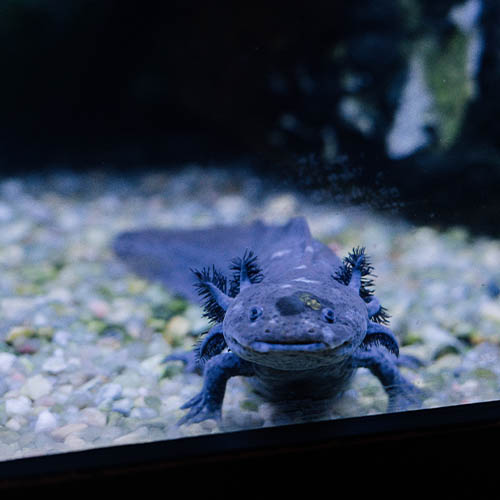
Axolotls (Ambystoma mexicanum) are unique and fascinating aquatic creatures that have gained popularity as pets in recent years. Known for their striking appearance, regenerative abilities, and relatively easy care, axolotls require specific living conditions to thrive. One of the most critical factors in their care is the choice of enclosure. This article will guide you through the essential considerations for selecting the right enclosure for your axolotl, including tank size, materials, filtration, water conditions, and decoration.
Understanding Axolotl Needs
Before delving into enclosure specifics, it is crucial to understand the basic needs of axolotls. Native to the lakes of Mexico, axolotls prefer cool, clean water with a pH between 6.5 and 8.0 and a temperature range of 16 to 20 degrees Celsius (60 to 68 degrees Fahrenheit). They are also sensitive to water quality, requiring stable conditions to prevent stress and health issues.
Tank Size
Minimum Tank Size
The first consideration when choosing an enclosure for your axolotl is tank size. Axolotls can grow up to 30 cm (12 inches) in length, and they require ample space to swim and explore. A common recommendation is a minimum tank size of 76 litres (20 gallons) for a single axolotl. For multiple axolotls, it is advisable to provide at least an additional 38 litres (10 gallons) for each additional axolotl.
Recommended Tank Size
While the minimum tank size can suffice, larger tanks are always preferable. A 100-litre (26-gallon) or larger tank provides more swimming space, better water quality stability, and a more comfortable environment for your axolotl. A larger tank allows for more decoration and hiding spots, essential for their well-being.
Enclosure Materials
Glass vs. Acrylic
The two most common materials for aquariums are glass and acrylic. Both materials have their advantages and disadvantages.
- Glass Tanks: Glass tanks are sturdy, scratch-resistant, and provide excellent clarity. They are heavy, which can make them less portable, but their stability is beneficial for larger setups.
- Acrylic Tanks: Acrylic tanks are lighter and more flexible in design, allowing for custom shapes and sizes. However, they can scratch easily and may warp over time if not properly cared for.
Ultimately, the choice between glass and acrylic depends on your preferences, budget, and available space.
Tank Shape
Standard rectangular tanks are the most common choice for axolotls, but other shapes, such as bowfront or cube tanks, can also be suitable. The shape of the tank should provide enough surface area for oxygen exchange, which is essential for maintaining good water quality.
Filtration System
Axolotls produce a significant amount of waste, making a reliable filtration system essential for maintaining water quality. There are several types of filtration systems available, including:
Hang-On-Back (HOB) Filters
HOB filters are popular for their ease of use and efficiency. They hang on the back of the tank and draw water through a filter cartridge. When choosing a HOB filter for your axolotl, ensure that it has a gentle flow rate, as axolotls prefer calm water.
Canister Filters
Canister filters provide powerful filtration and are suitable for larger tanks. They sit outside the tank and draw water through a series of filter media, allowing for excellent water quality. Like HOB filters, it is essential to ensure the flow rate is appropriate for your axolotl.
Sponge Filters
Sponge filters are another great option, especially for smaller tanks or fry. They provide gentle filtration and aeration while being safe for axolotls, preventing them from getting sucked into the filter. However, sponge filters may require more frequent maintenance to keep them clean.
Water Conditions
Maintaining the right water conditions is vital for your axolotl’s health. Regular testing and monitoring of water parameters are necessary.
Temperature
As previously mentioned, axolotls thrive in cool water, typically between 16 to 20 degrees Celsius (60 to 68 degrees Fahrenheit). Avoid temperatures above 24 degrees Celsius (75 degrees Fahrenheit), as higher temperatures can lead to stress and health issues. A reliable aquarium heater or chiller may be necessary, depending on your room temperature.
pH Levels
The pH level of the water should remain between 6.5 and 8.0. Use a water conditioner to remove harmful chemicals like chlorine and chloramine, and regularly test the water using a reliable aquarium test kit.
Ammonia and Nitrite Levels
Both ammonia and nitrite levels should be kept at zero. High levels of these compounds can be toxic to axolotls. Regular water changes (at least 20% weekly) and maintaining a stable nitrogen cycle are crucial for keeping your axolotl healthy.
Substrate Choices
Choosing the right substrate is essential for your axolotl’s enclosure. While it may be tempting to use decorative gravel or sand, these substrates can pose risks for axolotls.
Bare Bottom Tanks
The safest option for axolotls is a bare-bottom tank. This setup allows for easy cleaning and eliminates the risk of substrate ingestion.
Sand Substrate
If you prefer a substrate, fine sand can be a safer alternative. However, it should be smooth and free of sharp edges to prevent injury.
Avoiding Gravel
Avoid using gravel or any substrate that is larger than the axolotl’s head, as axolotls may accidentally ingest them, leading to serious health issues.
Decoration and Hiding Spots
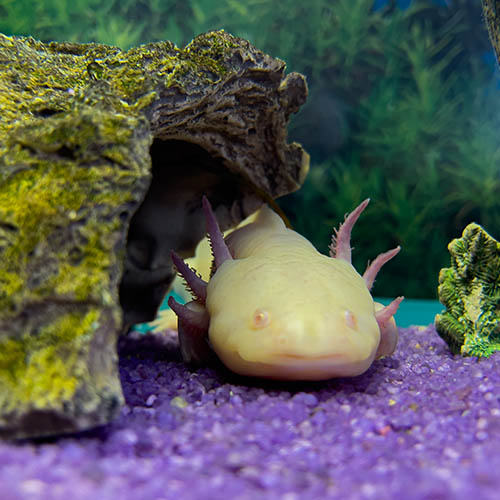
Axolotls appreciate a well-decorated environment that mimics their natural habitat. Providing hiding spots and enrichment is essential for their mental and physical well-being.
Hiding Places
Include various hiding spots in the enclosure, such as:
Rock Structures: Smooth rocks can create hiding spots, but ensure they are stable and not sharp-edged.
Caves: Store-bought caves or DIY options made from PVC pipes or coconut shells provide secure hiding spots.
Plants: Live or silk plants can add beauty to the tank while providing shelter. Ensure that any live plants are non-toxic and suitable for aquatic environments.
Avoiding Decorations with Sharp Edges
When selecting decorations, avoid items with sharp edges or small parts that could pose a choking hazard or cause injury to your axolotl.
Lighting
Axolotls are nocturnal creatures and do not require bright lighting. However, some ambient light is beneficial for observing your axolotl and for plant growth if you have live plants.
LED Lighting
LED lights are an excellent choice for axolotl tanks, providing energy efficiency and low heat output. Use a light with a timer to simulate a natural day-night cycle, aiming for around 10 to 12 hours of light per day.
Avoiding Direct Sunlight
Avoid placing the tank in direct sunlight, as this can lead to temperature fluctuations and excessive algae growth.
Monitoring and Maintenance
Once your axolotl’s enclosure is set up, ongoing monitoring and maintenance are essential to ensure a healthy environment.
Regular Water Testing
Regularly test the water for pH, ammonia, nitrites, and nitrates using an aquarium test kit. This will help you catch any potential problems before they affect your axolotl’s health.
Water Changes
Perform regular water changes to maintain water quality. Aim for at least a 20% water change weekly, using a siphon to remove debris from the bottom.
Cleaning the Tank
Clean the tank and decorations regularly, but avoid using harsh chemicals. A simple solution of vinegar and water can help clean glass surfaces without harming your axolotl.
Choosing the right enclosure for your axolotl is crucial to its health and happiness. By considering factors such as tank size, filtration, water conditions, substrate, and decoration, you can create a safe and enriching environment for your axolotl to thrive. Regular maintenance and monitoring will ensure your axolotl remains healthy and content, allowing you to enjoy the fascinating world of these unique creatures.
References
The Aquarium Wiki – “Axolotl Habitat Requirements” [Online Encyclopedia Entry].
Aquatic Conservation: Marine and Freshwater Ecosystems – “Axolotls: An Overview of Their Care and Habitat” [Journal Article].
The Axolotl Sanctuary – “Caring for Your Axolotl: A Comprehensive Guide” [Online Resource].
National Geographic – “Axolotls: Nature’s Little Weirdos” [Website Article].
The Spruce Pets – “Setting Up an Axolotl Tank” [Online Guide].
Practical Fishkeeping – “Axolotl Care: How to Keep Your Pet Healthy” [Magazine Article].
Fishkeeping World – “Creating the Perfect Habitat for Your Axolotl” [Online Resource].
PetSmart – “Axolotl Care: What You Need to Know” [Pet Care Guide].
Tropical Fish Hobbyist – “Filter Systems for Aquatic Pets” [Magazine Article].
Aquarium Co-Op – “Aquarium Lighting Basics for Freshwater Tanks” [Blog Post].