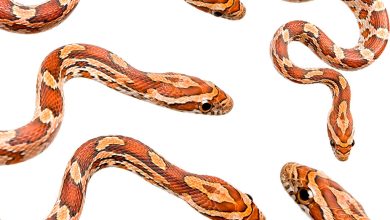
Corn snakes (Pantherophis guttatus) are one of the most popular pet snakes due to their docile nature, striking appearance, and relatively easy care requirements. An essential aspect of caring for corn snakes is understanding their feeding needs. This article provides a comprehensive feeding guide for corn snakes, detailing their dietary requirements, feeding frequency, suitable prey types, and tips for ensuring optimal health.
Understanding the Corn Snake Diet
Corn snakes are non-venomous constrictors native to the southeastern United States. In the wild, they primarily feed on small mammals, birds, and sometimes reptiles. As pets, their diet should closely mimic what they would consume in their natural habitat to ensure their health and well-being.
Natural Diet
Corn snakes are opportunistic feeders and are known to eat various prey items, including:
- Rodents: Mice and rats are the primary food sources for adult corn snakes. They usually consume prey that is approximately the same size as the widest part of their body.
- Birds: In the wild, corn snakes may eat birds, particularly nestlings.
- Reptiles & Amphibians: Occasionally, they may consume small reptiles and amphibians, such as lizards and frogs.
Nutritional Needs
A balanced diet for a corn snake should provide the necessary nutrients to maintain their health. Key nutritional components include:
- Protein: Essential for growth, tissue repair, and overall body function.
- Fat: Necessary for energy, but should be provided in moderation to avoid obesity.
- Vitamins and Minerals: Vital for maintaining bone health and metabolic functions.
Prey Size
The general rule of thumb for determining the appropriate size of prey is that it should be about 1.5 times the width of the snake at its widest point. For instance, if a corn snake measures 1 inch in width, it can safely consume a prey item that is around 1.5 inches wide. If you’re unsure, it’s better to err on the side of caution and choose slightly smaller prey.
Types of Prey
When feeding corn snakes, it’s crucial to select the right type of prey. Here are some common options:

Mice
- Pinkies: These are newborn mice and are suitable for hatchlings and juvenile corn snakes.
- Fuzzy Mice: Slightly older than pinkies, fuzzy mice are appropriate for growing snakes.
- Adult Mice: Suitable for adult corn snakes; they provide a balanced diet.
Rats
- Rat Pups: Ideal for larger juveniles or smaller adults.
- Weaner Rats: Appropriate for larger adult corn snakes, offering more meat than mice.
Other Prey
While rodents are the staple of a corn snake’s diet, other options include:
- Birds: Some pet owners may choose to feed quail or chicks, but these should be less frequent than rodents.
- Reptiles: Small lizards can be offered occasionally, but they are not a primary food source and harder to source in the UK.
Feeding Frequency
Feeding frequency depends on the age and size of the corn snake:
- Hatchlings (0-6 months): Feed every 5-7 days.
- Juveniles (6 months – 2 years): Feed every 7-10 days.
- Adults (2 years and older): Feed every 10-14 days.
Signs of Hunger
Corn snakes will often display certain behaviours when they are hungry. Look for the following signs:
- Increased activity: Snakes may become more active, especially at night.
- Hunting behaviour: They may search their enclosure more vigorously.
- Striking: If they see you approaching with food, they may exhibit striking motions.

Thawing Frozen Prey
When feeding frozen/thawed prey, it’s essential to thaw it properly. Here are the recommended steps:
- Refrigerate: Move the frozen prey from the freezer to the refrigerator the night before feeding.
- Warm Up: To heat the prey, place it in a sealed plastic bag and submerge it in warm water for 10-15 minutes.
- Use Tongs: Always use tongs to offer the prey to the snake, as this mimics the movement of live prey and prevents accidental bites.
Feeding Time
Corn snakes are primarily nocturnal, so feeding them in the evening or at night is often most effective. They are also less stressed when fed in a quiet environment away from disturbances.
Health Considerations
Feeding corn snakes correctly is vital for their health. Here are some considerations:
Obesity
Obesity is a common issue in pet snakes, often caused by overfeeding or offering prey that is too large. Signs of obesity include:
- A noticeable bulge in the midsection.
- Difficulty moving or climbing.
To prevent obesity, adhere to feeding guidelines and adjust the frequency or size of prey as necessary.
Regurgitation
Regurgitation can occur if a snake eats too quickly or if the prey is too large. If a snake regurgitates, it’s essential to wait at least a week before offering food again. If the problem persists, consult a veterinarian.
Health Checks
Regularly observe your corn snake for signs of health issues, including:
- Weight loss or gain.
- Abnormal behaviour (e.g., lethargy, hiding).
- Respiratory issues (e.g., wheezing, mucus).
If any concerning symptoms arise, consult a veterinarian experienced with reptiles.
Hydration
While this guide focuses on feeding, it’s essential to address hydration as well. Corn snakes should always have access to fresh, clean water. Ensure their water dish is large enough for them to soak in if they choose. Change the water daily to prevent contamination.
Supplements
In general, corn snakes do not require supplements if they are fed a balanced diet of appropriately sized prey. However, if your snake is not thriving or if you notice signs of nutritional deficiencies, consult a veterinarian about potential supplementation.
Feeding a corn snake involves understanding its natural dietary requirements and ensuring it receives a balanced diet that mimics its wild food sources. By following this feeding guide, you can help your corn snake thrive and enjoy a long, healthy life as a cherished pet.
References
Barker, D. G., & Barker, T. J. (2008). Corn Snakes: The Complete Guide to Care and Breeding. New York: A and A Publishing. aandapublishing.com.
Vitt, L. J., & Caldwell, J. P. (2014). Herpetology: An Introductory Biology of Amphibians and Reptiles (4th ed.). Academic Press. academicpress.com.
Reptile Magazine. (2017). Feeding Your Corn Snake. reptilemagazine.com.
Kelley, J. (2020). Corn Snake Care Guide. thesprucepets.com.
Hartman, C. (2019). How to Feed Your Snake: A Comprehensive Guide to Proper Snake Feeding. Snake Care. snakecare.com.