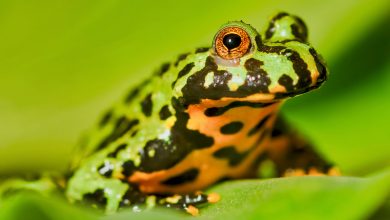
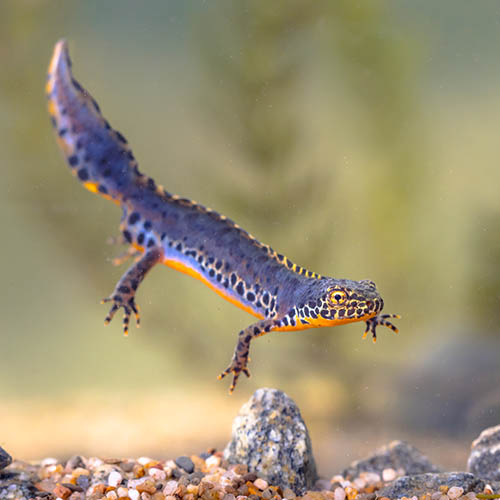
Alpine Newts, known scientifically as Ichthyosaura alpestris, are fascinating amphibians that are native to much of Europe. Their vibrant coloration, calm temperament, and aquatic nature make them a popular choice among herpetology enthusiasts. However, caring for Alpine Newts requires understanding their specific needs and providing a well-designed habitat. In this article, we will delve into the top ten essential supplies that every Alpine Newt keeper should have to ensure their pets remain healthy and thrive in captivity.
1. Aquarium or Terrarium (Appropriate Enclosure)
The first and most critical supply is an appropriate enclosure. Alpine Newts are semi-aquatic, so they need an enclosure that includes both water and land areas. A 75 litres or 20-gallon tank is generally recommended for a pair or small group. For larger groups, the size of the enclosure should be increased proportionally.
Key aspects to consider:
- Aquatic and terrestrial zones: The enclosure should have both water and land sections, allowing the newts to switch between the two as they desire.
- Aquarium or vivarium: Glass tanks are ideal as they retain humidity and temperature well.
- Secure lid: Newts can escape if given the chance, so a lid is essential.
Why it’s essential:
Alpine Newts are both terrestrial and aquatic throughout their lives, depending on the time of year. Their enclosure needs to reflect this, providing space for both swimming and dry-land resting.
2. Water Filtration System
Alpine Newts spend a considerable amount of time in water, especially during the breeding season. Clean, well-oxygenated water is vital for their health. A water filtration system helps maintain water quality by removing waste, food debris, and harmful toxins.
Key considerations:
- Internal or external filters: Both types are suitable, but an internal filter is often easier to manage in smaller tanks.
- Low flow rate: Since Alpine Newts are not strong swimmers, a gentle water flow is preferable to avoid stressing them.
Why it’s essential:
Dirty water can quickly lead to skin infections and other health problems in Alpine Newts. A reliable filtration system ensures the water remains clear and safe for them.
3. Water Conditioner
Tap water usually contains chlorine and other chemicals that are harmful to amphibians. A good quality water conditioner neutralizes these harmful elements, making the water safe for your newts. It is recommended to treat all water before adding it to the enclosure.
Key features:
- Dechlorination: Neutralizes chlorine and chloramine.
- Removes heavy metals: Some conditioners also detoxify harmful metals present in tap water.
Why it’s essential:
Alpine Newts are sensitive to chemicals found in untreated tap water. Using a water conditioner prevents skin irritation and potential poisoning from contaminants.
4. Substrate
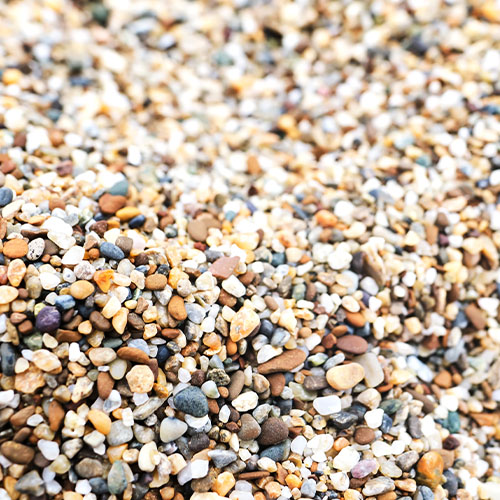
he substrate is the material that lines the bottom of the land portion of the enclosure. For the aquatic portion, smooth river stones or aquarium gravel are recommended. For the terrestrial side, a blend of organic soil, coconut fibre, and moss is ideal, mimicking their natural environment.
Options for substrate:
- Aquarium gravel or smooth river stones: For the water section.
- Soil mix (organic): A mix of organic topsoil, coco fibre, and moss for the land area.
Why it’s essential:
Providing a natural substrate helps Alpine Newts feel more comfortable and secure in their habitat. It also aids in maintaining proper humidity levels and supports plant growth.
5. Live Aquatic and Terrestrial Plants
Plants serve a dual purpose in a newt enclosure: they provide cover for the newts and help maintain water quality by absorbing nitrates and producing oxygen. Both aquatic plants (such as hornwort or java fern) and terrestrial plants (like moss or ferns) can be used to create a more natural environment.
Recommended plants:
- Aquatic: Java moss, water lettuce, anubias.
- Terrestrial: Mosses, ferns, and small bromeliads.
Why it’s essential:
Plants not only enhance the aesthetic appeal of the enclosure but also offer hiding spots and help keep the water cleaner by absorbing excess nutrients.
6. Lighting (Low to Moderate Intensity)
While Alpine Newts do not need UVB lighting like reptiles, they do benefit from a day-night cycle, which helps regulate their behaviour and seasonal cycles. Low to moderate-intensity lighting is ideal, especially to support plant growth.
Key lighting options:
- LED or fluorescent: These are energy-efficient and provide gentle light.
- Timer system: To simulate natural day-night cycles.
Why it’s essential:
Correct lighting helps Alpine Newts understand the changing seasons, which can encourage natural behaviors such as breeding and hibernation.
7. Thermometer and Hygrometer
Alpine Newts require a specific temperature range, generally between 15°C and 20°C (59°F to 68°F). Temperatures above 24°C (75°F) can be stressful and harmful. Therefore, it is important to monitor the temperature of both the water and land areas. Additionally, humidity levels should be kept between 60-80%.
Monitoring tools:
- Thermometer: Digital or analogue thermometers to monitor air and water temperatures.
- Hygrometer: Measures the humidity levels in the enclosure.
Why it’s essential:
Maintaining the correct temperature and humidity ensures the newts’ metabolic functions operate normally and reduces stress.
8. Appropriate Food (Live and Frozen)
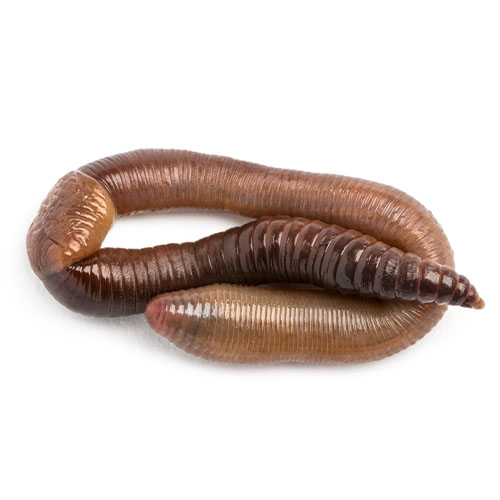
Alpine Newts are carnivores, and they thrive on a diet of live or frozen prey. Their diet can include bloodworms, earthworms, daphnia, brine shrimp, and small insects. Offering a varied diet helps mimic their natural feeding behaviour and ensures they receive all the necessary nutrients.
Food sources:
- Frozen food: Bloodworms, brine shrimp (defrost before feeding).
- Live food: Earthworms, crickets, daphnia.
Why it’s essential:
A diverse and nutritionally complete diet is key to keeping your Alpine Newts healthy. Live food also stimulates their natural hunting instincts.
9. Hides and Climbing Structures
Alpine Newts need places to hide and explore. In the wild, they hide under rocks, leaf litter, and in crevices. Replicating this in captivity will help reduce stress. You can use cork bark, rocks, or specially made reptile hides. Adding driftwood or vines allows for some climbing, further enriching their environment.
Key considerations:
- Cork bark, rocks, and logs: Natural materials that create hiding spots.
- Driftwood and vines: For climbing and adding structure to the habitat.
Why it’s essential:
Providing plenty of hiding and climbing spots helps replicate their natural environment and keeps them engaged, reducing stress.
10. Calcium and Multivitamin Supplements
Although Alpine Newts get most of their nutrition from their diet, it is beneficial to occasionally dust their food with calcium and multivitamin supplements. This helps prevent deficiencies, especially if the diet consists mostly of frozen foods.
Supplement types:
- Calcium powder: Dust live food with it to support bone health.
- Multivitamin supplement: Offers a balanced array of vitamins and minerals.
Why it’s essential:
Supplements ensure your Alpine Newts receive the necessary nutrients that might be missing from their regular diet, supporting healthy growth and preventing diseases like metabolic bone disease.
Caring for Alpine Newts requires attention to detail and a commitment to maintaining a well-balanced environment. The supplies mentioned above are essential for meeting their unique needs and ensuring they thrive in captivity. A good enclosure with appropriate filtration, clean water, and the right temperature and humidity levels is the foundation of their care. Providing varied, nutritious food, alongside hiding places and plants, enriches their environment and supports natural behaviours.
By investing in these essential supplies, you will be well on your way to creating a comfortable and natural habitat for your Alpine Newts, ensuring they live long, healthy lives.
References
Amphibian Enthusiast Blog. (2024). Amphibian Care and Welfare – Alpine Newts.
HerpKeeper. (2024). Newt Care Sheet – Expert Tips on Housing and Diet.
Reptile Care Journal. (2024). Caring for Alpine Newts. Published August 2024.
BioVivariums.org. (2024). Creating a Bioactive Vivarium for Amphibians.
The Amphibian Keepers Association. (2024). Amphibian Husbandry – Importance of Clean Water.
Reptiles Magazine. (2024). Naturalistic Vivariums for Newts and Salamanders. Published July 2024.
AquaHabitat Review. (2024). Filtration Systems for Aquatic Amphibians. Published September 2024.
Amphibian Health Digest. (2024). Dietary Needs of Carnivorous Amphibians. Published March 2024.