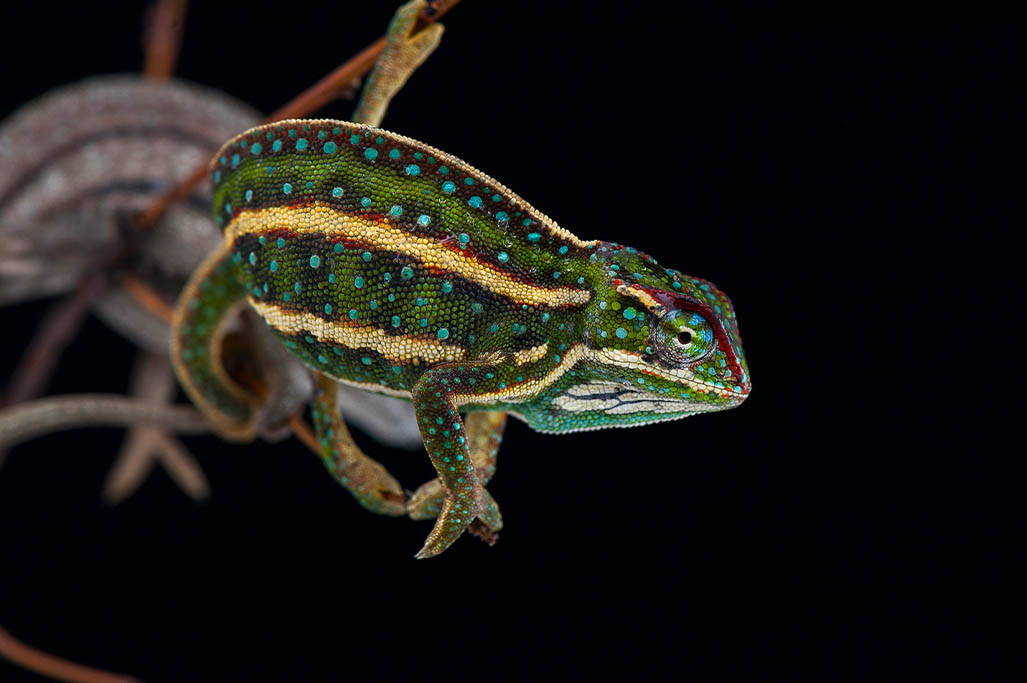
When it comes to creating an optimal habitat for your Panther chameleon (Furcifer pardalis), one of the most critical factors to consider is the substrate. This layer of material forms the base of your chameleon’s enclosure and plays a significant role in its overall health and wellbeing. In this article, we will explore the various types of substrates suitable for Panther chameleons, their benefits and drawbacks, and how to choose the right one for your pet.
Understanding the Natural Habitat
Before selecting a substrate, it is essential to understand the natural habitat of Panther chameleons. Native to the tropical forests of Madagascar, these chameleons thrive in a humid environment with plenty of foliage and climbing opportunities. The forest floor typically consists of leaf litter, decomposing plant matter, and soil, which contribute to the humidity and provide a natural environment for these reptiles. Therefore, the substrate you choose should mimic these natural conditions as closely as possible.
Common Substrate Options
There are several substrate options available for Panther chameleons, each with its own set of benefits and drawbacks. Below, we will discuss some of the most popular substrates, including soil, coconut fibre, and commercially available substrates.
Invertebrate or Reptile Soil
Description: Pre-mixed reptile or invertebrate soil is designed to be moisture retaining and soft, mimicking the forest floor.
Benefits:
- Provides a natural environment that promotes digging and burrowing.
- Retains moisture well, aiding in humidity control.
- Contains nutrients beneficial for plant growth if live plants are included in the enclosure.
Drawbacks:
- Can be messy and may require frequent cleaning.
- Lack of a range of texture found in the natural environment so may need mixing with another type.
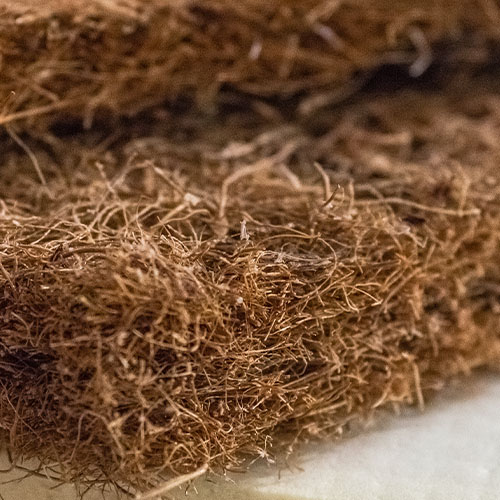
Coconut Fibre (Coir)
Description: Coconut fibre, or coir, is a natural substrate made from the husk of coconuts. It is often used in reptile enclosures due to its excellent moisture retention properties.
Benefits:
- Retains moisture effectively, helping to maintain humidity levels.
- Provides a soft, comfortable surface for your chameleon to walk on.
- Is biodegradable and environmentally friendly.
Drawbacks:
- Can be difficult to clean if it becomes soiled.
- May not provide the same natural digging opportunities as soil.
Reptile Carpet
Description: Reptile carpet is a synthetic substrate designed specifically for reptiles. It typically consists of non-toxic materials and is available in various colours and patterns.
Benefits:
- Easy to clean and maintain; can be removed and washed.
- Provides a uniform surface that reduces the risk of impaction from loose substrate.
- Safe and non-toxic for your chameleon.
Drawbacks:
- Lacks the natural feel of soil or coconut fibre.
- Does not retain moisture, which may lead to lower humidity levels if not paired with other humidity-boosting methods.
Reptile or Orchid Bark Substrate
Description: Tropical bark substrate with moisture retaining properties that comes in coarse or fine chunks.
Benefits:
- Supports live plants if mixed with soil, which contribute to humidity and provide hiding places for your chameleon.
- Mimics natural conditions, promoting the health and wellbeing of your chameleon.
Drawbacks:
- If microfauna is to survive then it will need to be mixed with a finer substrate underneath.
- Requires regular monitoring to prevent fungal growth.
Bioactive Substrate
Description: A bioactive substrate combines various materials, such as organic soil, coconut coir, and live microfauna, to create a self-sustaining ecosystem.
Benefits:
- Supports live plants, which contribute to humidity and provide hiding places for your chameleon.
- Microfauna, such as springtails and isopods, help break down waste and maintain cleanliness.
- Mimics natural conditions, promoting the health and wellbeing of your chameleon.
Drawbacks:
- More complex to set up and maintain compared to other substrates.
- Requires regular monitoring of humidity and temperature levels.
Factors to Consider When Choosing a Substrate
Selecting the right substrate for your Panther chameleon involves considering several factors, including the enclosure size, humidity requirements, and personal preferences. Here are some essential factors to keep in mind:

Humidity Requirements
Panther chameleons require a humidity level of around 50-70%. Your substrate choice should support these humidity levels while allowing for proper drainage. Organic topsoil and coconut fibre are excellent options for maintaining humidity, while reptile carpet may require additional humidity sources, such as a water dish or misting system.
Safety and Impaction Risks
Chameleons are susceptible to substrate impaction, a serious condition that occurs when they ingest loose substrate. To reduce this risk, it is advisable to avoid loose substrates like soil. Instead, opt for substrates like reptile carpet, coarse reptile bark or bioactive setups that minimise the chances of ingestion. This however makes the setup less natural.
Maintenance and Cleaning
The ease of maintenance is a crucial factor when selecting a substrate. Soil and coconut fibre may require more frequent cleaning due to their messiness, while reptile carpet can be easily removed and washed. Consider your schedule and how much time you can dedicate to maintaining your chameleon’s enclosure.
Aesthetic Appeal
While aesthetics may not directly impact your chameleon’s health, the visual appeal of the enclosure can enhance your enjoyment as a pet owner. Choose a substrate that complements your enclosure’s design, especially if you are incorporating live plants or decorative elements.
Setting Up the Substrate
Once you have chosen the right substrate, setting it up in your Panther chameleon’s enclosure is relatively straightforward. Follow these steps to create an optimal environment:
Prepare the Enclosure
Start by cleaning the enclosure thoroughly to remove any contaminants. Rinse it with warm water and allow it to dry completely.
Add the Substrate
Layer the substrate evenly across the bottom of the enclosure. A depth of about 2-3 inches is typically sufficient for organic topsoil or coconut fibre. If using reptile carpet, cut it to fit the enclosure’s dimensions.
Incorporate Live Plants (Optional)
If you choose a bioactive substrate or organic topsoil, consider adding live plants to enhance the habitat. Select plants that are safe for chameleons, such as pothos, bromeliads, or ferns.
Monitor Conditions
After setting up the substrate, monitor the humidity and temperature levels in the enclosure regularly. Use a hygrometer to measure humidity and ensure it stays within the optimal range.
Choosing the right substrate for your Panther chameleon is vital for creating a healthy and comfortable habitat. By considering factors such as humidity requirements, safety, maintenance, and aesthetic appeal, you can select a substrate that meets your chameleon’s needs. Whether you opt for organic topsoil, coconut fibre, reptile carpet, or a bioactive setup, providing a suitable substrate will contribute to the overall wellbeing of your beloved pet.
References
Wilson, L. (2019). “Setting Up a Bioactive Chameleon Enclosure.” The Reptile Room. The Reptile Room
Campbell, J. A., & Echternacht, A. C. (2003). Reptiles and Amphibians: A Natural History of the Herpetofauna of the Greater Antilles. University Press of Florida.
Green, T. (2018). “A Guide to Choosing Substrates for Your Reptile.” Reptile Magazine. Reptile Magazine
McHugh, T. (2020). “Panther Chameleons: Care, Breeding, and Housing.” Herpetoculture. Herpetoculture
Verheyen, R. (2003). “The Role of Substrate in the Care of Chameleons.” Journal of Exotic Pet Medicine. 12(1): 45-49.