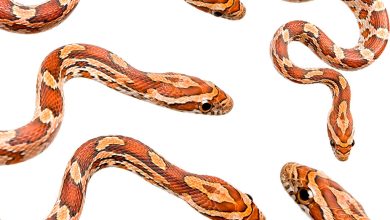
Corn snakes (Pantherophis guttatus) are among the most popular pet reptiles, known for their striking colours and docile temperament. However, like all animals, corn snakes can encounter health problems that may affect their overall well-being. Understanding these issues is essential for any owner, as it allows for early detection and timely intervention. This article explores common health problems in corn snakes, their symptoms, causes, and preventative measures to ensure your snake remains healthy and vibrant.
Respiratory Infections
Overview
Respiratory infections are one of the most common health problems in corn snakes. These infections can be bacterial, viral, or fungal and typically arise from poor husbandry practices, such as inadequate temperature, humidity, or ventilation in the enclosure.
Symptoms
- Laboured Breathing: The snake may breathe with an open mouth or exhibit wheezing sounds.
- Excessive Mucus: Clear or cloudy mucus may be seen around the nostrils or mouth.
- Lethargy: A general lack of energy and reduced activity levels.
- Loss of Appetite: The snake may refuse to eat due to discomfort.
Causes
The primary causes of respiratory infections include:
- Improper Temperature and Humidity: Corn snakes require specific temperature gradients and humidity levels to thrive. Inadequate heat can suppress their immune system, making them susceptible to infections.
- Poor Ventilation: A lack of airflow can lead to stagnant air, promoting the growth of pathogens.
- Stress: Handling stress, overcrowding, or environmental changes can weaken a snake’s immune response.
Treatment and Prevention

If you suspect your corn snake has a respiratory infection, it’s crucial to consult a veterinarian experienced with reptiles. Treatment may involve:
- Antibiotics or Antifungal Medications: These can help combat infections.
- Improving Enclosure Conditions: Ensure proper heating, humidity, and ventilation.
- Minimising Stress: Handle your snake minimally during recovery.
Preventative measures include maintaining optimal enclosure conditions, providing a stress-free environment, and regular health checks.
Shedding Problems (Dysecdysis)
Overview
Shedding, or ecdysis, is a natural process in snakes. However, corn snakes can occasionally experience shedding problems, leading to incomplete or stuck sheds, known as dysecdysis.
Symptoms
- Retained Skin: Skin that remains attached, particularly around the eyes and tail.
- Discoloured or Dull Skin: The skin may appear unhealthy or dry.
- Behavioural Changes: Increased rubbing against objects in the enclosure to remove old skin.
Causes
Several factors can contribute to shedding problems, including:
- Low Humidity: Inadequate humidity levels can prevent the skin from loosening properly.
- Inadequate Diet: A lack of nutrients can affect skin health and shedding.
- Illness: Underlying health issues can lead to abnormal shedding.
Treatment and Prevention
To treat shedding problems:
- Increase Humidity: Use a humid hide or mist the enclosure to help facilitate shedding.
- Soak the Snake: A warm soak can help loosen the old skin. Ensure that the water is shallow and not too hot.
- Gently Assist with Shedding: If the snake has retained skin, it may require careful removal. However, consult a vet for guidance to avoid injury.
Preventative measures include maintaining proper humidity levels (40-60%), providing a balanced diet, and ensuring overall good health.
Parasites
Overview
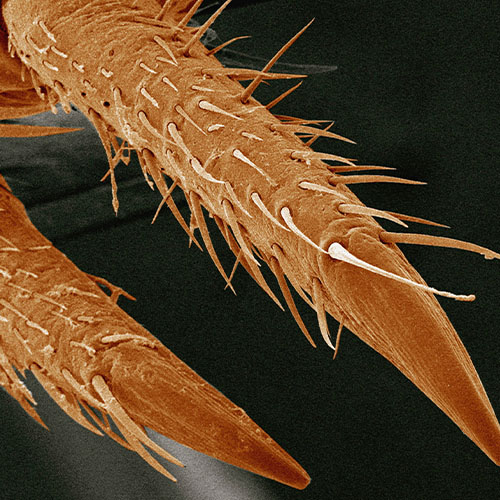
Parasites can be a significant health concern for corn snakes, particularly if they are acquired from questionable sources. Internal parasites (such as worms) and external parasites (like mites) can both pose serious risks.
Symptoms
Internal Parasites:
- Weight Loss: Noticeable decrease in body weight despite regular feeding.
- Lethargy: Decreased energy levels and increased inactivity.
- Diarrhoea: Loose stools or changes in bowel habits.
External Parasites:
- Visible Mites: Tiny black or brown specks on the skin or in the habitat.
- Irritation: Excessive rubbing against surfaces due to itchiness.
- Infections: Secondary infections may develop from skin lesions caused by mites.
Causes
Parasites are usually transmitted through:
- Contaminated Enclosures: Poor hygiene and sanitation can facilitate parasite infestations.
- Exposure to Infected Animals: Contact with other snakes or reptiles that carry parasites.
Treatment and Prevention
For internal parasites, a vet will typically prescribe deworming medications based on the type of parasite identified. For external parasites:
- Mite Treatments: Use reptile-safe mite treatments or sprays. It may be necessary to treat the entire enclosure.
- Regular Cleaning: Maintain a clean environment to minimise parasite risks.
Preventative measures include regular health checks, maintaining a clean habitat, and acquiring snakes from reputable sources.
Scale Rot
Overview
Scale rot, or necrotic dermatitis, is a condition that affects the scales of a snake, leading to infections that can be severe if left untreated. It is primarily caused by inadequate environmental conditions.
Symptoms
- Discoloured Scales: Scales may appear grey, black, or otherwise discoloured.
- Soft or Rotted Areas: The skin may feel mushy or deteriorated.
- Foul Odour: A noticeable smell may indicate infection.
- Swelling: Affected areas may be swollen and sensitive.
Causes
Scale rot can occur due to:
- Excessive Humidity: High humidity levels without proper ventilation can promote fungal growth.
- Dirty Enclosures: Waste accumulation can lead to bacterial infections.
- Injuries: Cuts or abrasions can become infected, leading to scale rot.
Treatment and Prevention
To treat scale rot:
- Veterinary Care: Consult a vet for appropriate medications, which may include antibiotics or antifungal treatments.
- Cleaning the Enclosure: Ensure a clean and dry environment to promote healing.
Preventative measures include maintaining optimal humidity (around 40-60%), ensuring proper enclosure cleanliness, and monitoring for injuries.
Obesity
Overview
Obesity in corn snakes is an often-overlooked issue, primarily resulting from overfeeding or improper diet. An overweight snake can suffer from a variety of health problems.
Symptoms
- Round Body Shape: An excessively round appearance, particularly in the midsection.
- Difficulty Moving: Reduced activity and difficulty in moving or climbing.
- Refusal to Eat: In some cases, obese snakes may stop eating due to discomfort.
Causes
The primary causes of obesity in corn snakes include:
- Overfeeding: Providing larger prey than necessary or feeding too frequently.
- Lack of Exercise: Limited space for movement and exercise can contribute to weight gain.
Treatment and Prevention
To address obesity:
- Dietary Adjustments: Reduce the frequency of feeding and ensure appropriate prey size.
- Increase Activity: Provide a larger enclosure or more climbing opportunities to encourage movement.
Preventative measures include adhering to appropriate feeding schedules based on age and size and regularly monitoring weight.
Bone Disease (Metabolic Bone Disease)
Overview
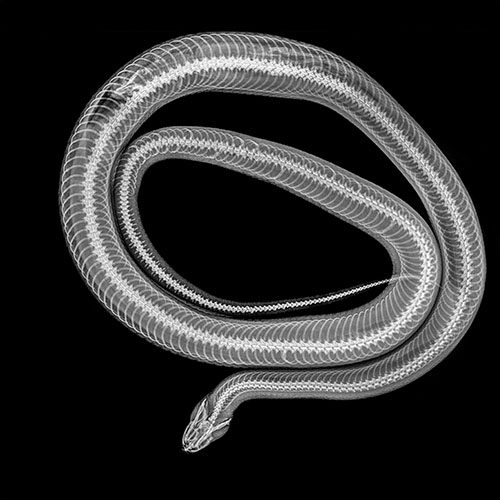
Metabolic Bone Disease (MBD) is a serious health issue that can affect corn snakes, particularly those that do not receive adequate calcium and vitamin D3. It is often a result of improper dietary practices.
Symptoms
- Weakness or Lethargy: Reduced energy levels and activity.
- Deformed Bones: Abnormalities in bone structure, particularly in younger snakes.
- Softness of the Jaw: Difficulty closing the mouth, indicating weakened bones.
Causes
MBD can occur due to:
- Inadequate Calcium and Vitamin D3: A diet lacking in these essential nutrients can lead to bone disease.
- Insufficient UVB Exposure: Snakes need UVB lighting to synthesise vitamin D3, crucial for calcium absorption.
Treatment and Prevention
To treat MBD:
- Calcium Supplements: Provide calcium and vitamin D3 supplements as prescribed by a vet.
- Improved Diet: Ensure a balanced diet rich in calcium.
Preventative measures include providing UVB lighting and ensuring a diet that meets the nutritional needs of your corn snake.
Digestive Issues
Overview
Digestive problems can arise in corn snakes due to various factors, including improper feeding practices, stress, and health issues.
Symptoms
- Regurgitation: The snake expels food soon after eating.
- Constipation: Difficulty passing stools or absence of bowel movements for an extended period.
- Bloating: A swollen appearance in the abdominal area.
Causes
Digestive issues can occur due to:
- Overfeeding: Giving prey that is too large or feeding too frequently.
- Temperature Issues: Inadequate temperatures can impede digestion.
- Stress: Changes in environment or handling can contribute to digestive problems.
Treatment and Prevention
For digestive issues:
- Adjust Feeding Practices: Ensure appropriate prey size and feeding frequency.
- Maintain Optimal Temperatures: Ensure the enclosure is kept at the correct temperature to aid digestion.
- Minimise Stress: Create a stable and calm environment.
Corn snakes are relatively hardy creatures, but they are not immune to health problems. By understanding the common health issues they face, their symptoms, causes, and treatment options, you can ensure your corn snake remains healthy and happy. Regular veterinary check-ups, a proper diet, and optimal husbandry practices play crucial roles in preventing health problems. With attentive care and monitoring, your corn snake can thrive for many years.
References
Tetzlaff, R. (2023). Preventing and Treating Common Reptile Health Problems. Reptile Care Publications. reptilecarepublications.com.
Pettitt, T. (2019). The Ultimate Guide to Corn Snake Care. Reptiles Magazine. reptilesmagazine.com.
Ryan, A. (2020). Common Health Issues in Pet Snakes. Snake Keeper’s Handbook. snakekeepershandbook.com.
Hargrove, C. (2021). Understanding Corn Snake Nutrition and Health. Herpetology Journal. herpetologyjournal.com.
Smith, B. (2022). Corn Snake Health: What Every Owner Should Know. Exotic Animal Care. exoticanimalcare.com.