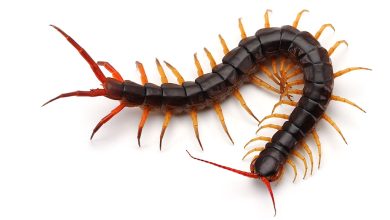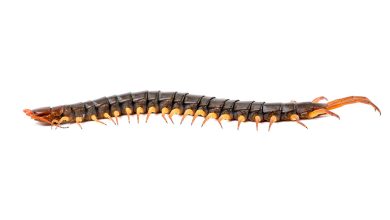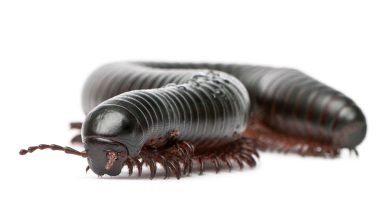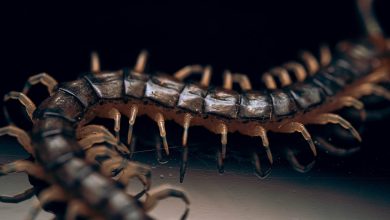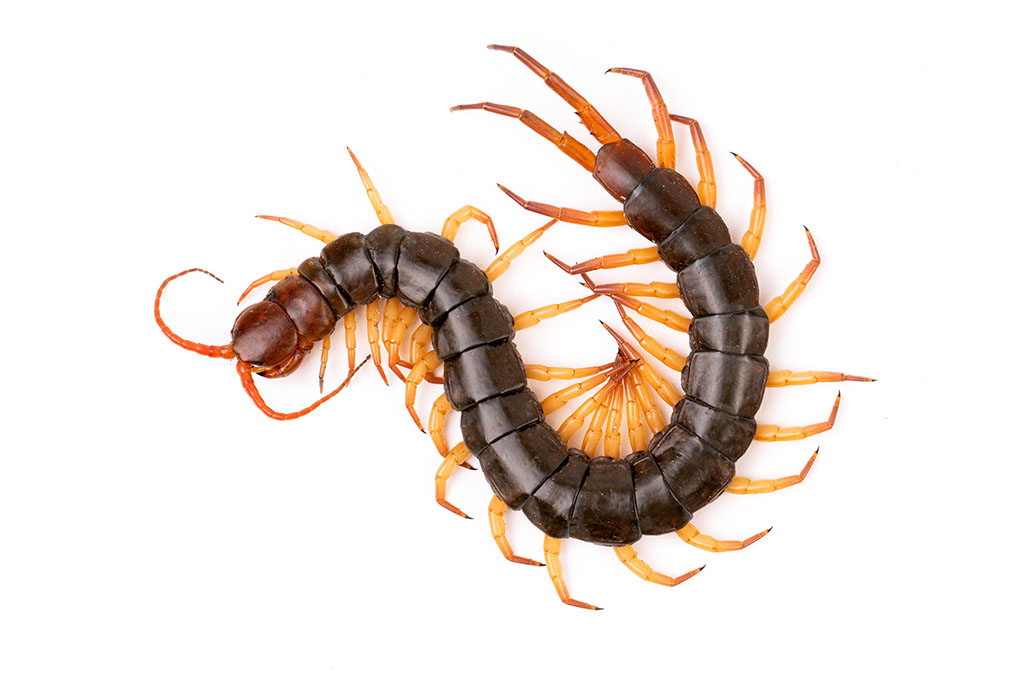
Giant tropical centipedes, often captivating yet intimidating due to their size and appearance, are fascinating creatures that belong to the class Chilopoda. These nocturnal predators are characterised by their elongated bodies, numerous legs, and venomous bite. For those considering keeping one as a pet or simply wanting to understand these intriguing arthropods, this guide aims to provide comprehensive information on their biology, habitat, care, and safety considerations.
Understanding Giant Tropical Centipedes
Taxonomy and Species
Giant tropical centipedes are part of the Scolopendromorpha order, with several species falling under the Scolopendra genus. The most notable species include:
- Scolopendra gigantea: Commonly known as the Amazonian giant centipede, this species can grow up to 30 cm (about 12 inches) in length and is native to the tropical regions of Central and South America.
- Scolopendra subspinipes: Known as the Asian giant centipede, this species can reach lengths of up to 20 cm (about 8 inches) and is widely distributed across Southeast Asia.
These species are among the largest centipedes in the world, and their size, along with their striking coloration, makes them a popular subject of interest for both enthusiasts and researchers alike.
Physical Characteristics
Giant tropical centipedes possess several distinct physical traits:
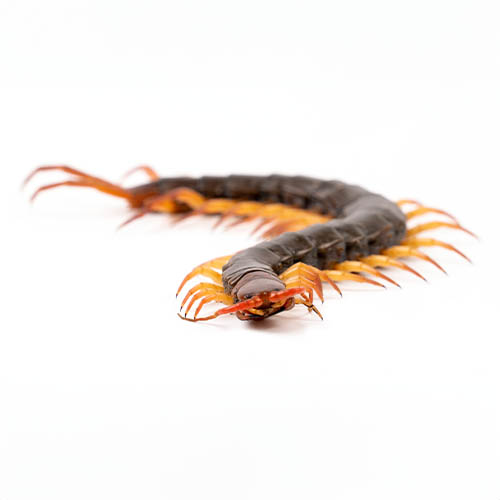
- Body Structure: Their bodies are elongated and segmented, typically ranging from 15 to 30 body segments. Each segment bears a pair of legs, leading to a total of 30 to 354 legs, depending on the species.
- Colouration: Their coloration varies, often displaying vibrant hues of brown, yellow, or green. Some species have stripes or markings that help them blend into their surroundings.
- Eyes and Antennae: They have a pair of compound eyes, which can detect movement but are not particularly well-developed for clear vision. Their long antennae serve as sensory organs, helping them navigate and locate prey.
- Venomous Bite: Giant tropical centipedes are equipped with venomous fangs, which they use to subdue prey. While their venom is potent enough to immobilise small animals, it is rarely life-threatening to humans, although bites can be extremely painful.
Habitat and Distribution
Giant tropical centipedes thrive in warm, humid environments, typically found in tropical rainforests, leaf litter, and under rocks or decaying wood. They prefer shaded areas that offer protection from predators and harsh environmental conditions.
Geographically, they are distributed across tropical and subtropical regions, including:
- Central and South America (Scolopendra gigantea)
- Southeast Asia and the Pacific Islands (Scolopendra subspinipes)
- Parts of Africa and the Caribbean
These habitats provide the necessary humidity and temperature for their survival, making them well-adapted to their ecological niche.
Behaviour and Diet
Feeding Habits
Giant tropical centipedes are carnivorous predators, primarily feeding on insects, spiders, and small vertebrates such as frogs and lizards. Their hunting strategy involves:
- Ambush Hunting: They often lie in wait for unsuspecting prey, using their keen sense of smell to detect movement.
- Quick Strikes: Once prey is within reach, they use their speed and agility to strike, injecting venom with their fangs to immobilise the victim.
- Digestive Process: After subduing their prey, centipedes secrete digestive enzymes that break down the soft tissues, allowing them to consume the nutrients.
Activity Patterns
Being nocturnal, giant tropical centipedes are most active during the night. They tend to hide during the day, emerging at dusk to hunt. Their behaviour is influenced by environmental conditions, such as humidity and temperature. They are capable of burrowing into the substrate, creating a suitable microhabitat for themselves.
Social Structure
Giant tropical centipedes are solitary creatures. They are territorial and do not typically tolerate the presence of others, particularly during the breeding season. Males will engage in courtship rituals, which can involve elaborate displays to attract females.
Keeping Giant Tropical Centipedes as Pets
If you’re considering keeping a giant tropical centipede as a pet, it’s essential to understand their specific care requirements and ensure you can provide a suitable habitat.
Choosing the Right Species
When selecting a giant tropical centipede, consider the size and temperament of the species. Scolopendra gigantea is known for its size and strength, while Scolopendra subspinipes is slightly smaller and may be a more manageable option for beginners.
Habitat Setup

Creating an appropriate habitat is crucial for the well-being of your centipede. Here are some key considerations:
- Enclosure: Use a terrarium with a secure lid to prevent escape. A size of at least 20 gallons is recommended for adult centipedes, allowing enough space for movement.
- Substrate: Provide a substrate that retains moisture but drains well. A mixture of coconut coir, peat moss, and organic soil works well. The substrate should be at least 10 cm (4 inches) deep to allow for burrowing.
- Humidity and Temperature: Maintain humidity levels between 60% to 80%. A humidity gauge can help monitor levels. The temperature should be kept between 24°C to 30°C (75°F to 86°F) during the day, with a slight drop at night.
- Hiding Spots: Include hiding spots such as cork bark, rocks, and plants to create a secure environment. This mimics their natural habitat and provides places to retreat.
- Water Source: Provide a shallow water dish for drinking. Ensure the dish is not deep enough to pose a drowning risk.
Feeding
Feeding your giant tropical centipede can be a rewarding experience. Here are some tips for a balanced diet:
- Prey Items: Offer a variety of live prey, including crickets, locusts, mealworms, and small roaches. Ensure the prey is of appropriate size, as overly large prey can stress or injure your centipede.
- Feeding Schedule: Feed once or twice a week, removing any uneaten prey to prevent contamination. Centipedes are voracious eaters, and it’s important to monitor their feeding habits.
Handling
Handling giant tropical centipedes is not recommended, especially for beginners. While they can be fascinating to observe, they are not domesticated animals and can be aggressive when threatened. If handling is necessary, use tongs or a soft brush to avoid direct contact.
Health and Maintenance
Regular maintenance of the enclosure is vital to ensure a healthy environment:
- Cleaning: Remove waste and uneaten food regularly to prevent mould and bacteria growth.
- Monitoring: Keep an eye on your centipede’s behaviour. Signs of illness may include lethargy, refusal to eat, or visible injuries. Consult an exotic vet if you notice any concerning symptoms.
Safety Considerations
While giant tropical centipedes are not typically dangerous to humans, their venomous bite can cause significant pain and swelling. Here are some safety tips:
- Avoid Bites: Always exercise caution when working around your centipede’s enclosure. Use tools for handling prey and avoid direct contact.
- First Aid: In the event of a bite, wash the area with soap and water, apply a cold compress, and seek medical attention if necessary.
- Children and Pets: Keep centipedes away from young children and pets, as bites can lead to serious injury or allergic reactions.
Giant tropical centipedes are remarkable creatures that offer a unique glimpse into the world of arthropods. With the proper knowledge and care, they can thrive in captivity and provide their owners with a fascinating experience. Whether you’re a budding enthusiast or simply intrigued by these predatory arthropods, understanding their biology, behaviour, and care requirements will enhance your appreciation of these incredible animals.
References
Lewis, J. G. E. (2018). The Biology of Centipedes. Cambridge University Press.
Lavoie, K. (2020). The Complete Guide to Pet Centipedes. Reptiles Magazine.
Shelley’s, W. B., & Lavoie, K. (2021). Centipedes and Millipedes: A Natural History. Springer.
Wu, H., & Zhang, Y. (2019). “Evolution and phylogenetic relationships of the Scolopendra genus.” Molecular Phylogenetics and Evolution, 130, 82-92.
Chinn, A. A. (2017). “Giant Centipede Care: Keeping Scolopendra as Pets.” Exotic Pets Journal, 15(3), 45-52.
Wiegmann, B. M. et al. (2018). “A Review of Centipede Biology.” Annual Review of Entomology, 63, 279-298.
Gaffin, D. D., & Cline, D. R. (2017). “The Ecology of Centipedes.” Ecological Entomology, 42(6), 693-706.
Tullgren, A. (2019). “Understanding the Venom of Centipedes.” Toxins, 11(6), 343.