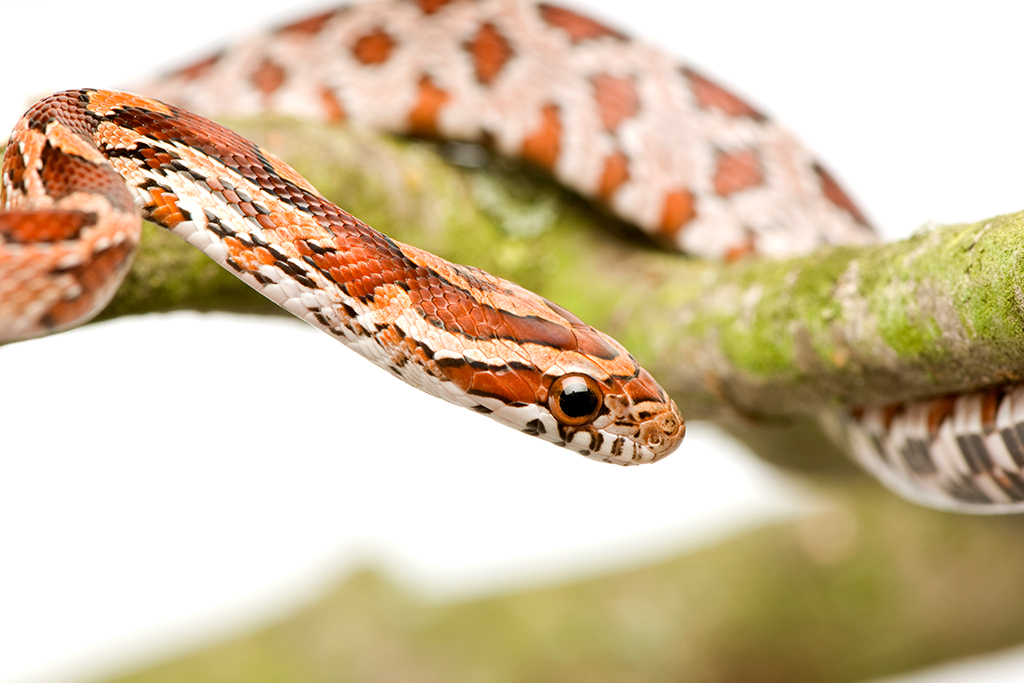
Corn snakes (Pantherophis guttatus) are one of the most popular pet snakes worldwide, known for their striking appearance, manageable size, and docile nature. These beautiful reptiles are not only a favourite among reptile enthusiasts but also serve as excellent introductions to snake care for beginners. Below, we explore the most frequently asked questions regarding corn snakes, including their care, habitat, feeding, health, and breeding.
What is a corn snake?
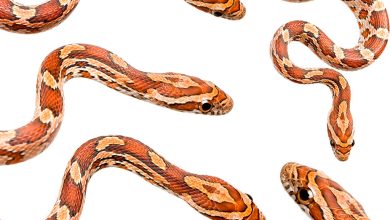
Corn snakes are a non-venomous species of rat snake native to North America. They are often found in a variety of habitats, including forests, fields, and abandoned buildings. Corn snakes are known for their distinctive colouration, which typically includes a series of reddish-orange blotches on a lighter background. Their name is thought to come from their resemblance to the colouration of corn kernels.

How big do corn snakes get?
Adult corn snakes typically reach lengths of 3 to 5 feet (0.9 to 1.5 metres). However, some individuals may grow larger, with the longest recorded corn snake measuring over 6 feet (1.8 metres). The size of a corn snake can depend on various factors, including genetics, diet, and environmental conditions.
What is the lifespan of a corn snake?
In captivity, corn snakes can live for 15 to 20 years, with some individuals reaching even older ages if properly cared for. Factors such as diet, habitat, and veterinary care significantly influence their lifespan.
What do corn snakes eat?
Corn snakes are carnivorous and primarily eat small mammals, birds, and eggs in the wild. In captivity, their diet typically consists of appropriately sized rodents, such as mice or rats. Young corn snakes should be fed pinky mice, while adults may require larger prey, like adult mice or small rats. It’s essential to feed snakes prey that is no larger than the width of their bodies to prevent feeding issues.
How often should I feed my corn snake?
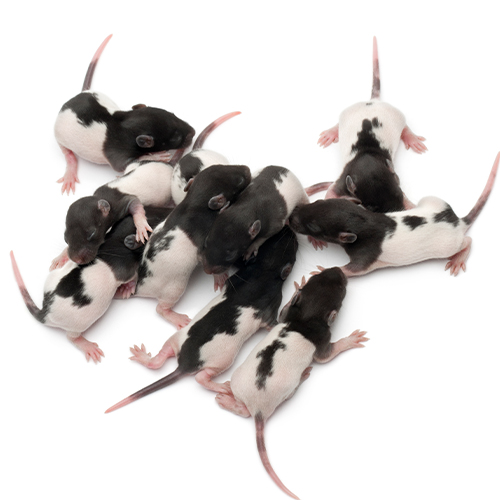
Feeding frequency varies depending on the snake’s age and size. Young corn snakes should be fed every 5 to 7 days, while adult corn snakes can be fed every 7 to 14 days. It’s important to monitor your snake’s body condition and adjust feeding schedules accordingly. Always ensure that the prey is properly thawed and heated.
Do corn snakes need water?
Yes, corn snakes need access to fresh water at all times. A shallow water dish should be provided in their enclosure for hydration and soaking. Water bowls should be cleaned regularly to prevent bacterial growth. Additionally, providing a water dish can help maintain humidity levels in the enclosure, which is beneficial for shedding.
What kind of habitat do corn snakes need?
Creating a suitable habitat for a corn snake involves providing a secure enclosure that mimics their natural environment. A glass terrarium with a secure lid is ideal. Here are some key aspects to consider:
- Size: For adults, a 3ft vivarium is generally sufficient but 4ft is ideal. Hatchlings and juveniles can be kept in smaller enclosures.
- Substrate: Use substrates like aspen shavings, lignocel, hemp, coconut fibre, paper towels or newspaper. Avoid cedar and pine shavings as they can be harmful.
- Hiding Spots: Provide at least two hiding spots (one warm and one cool) to allow your snake to regulate its temperature and feel secure.
- Temperature Gradient: Maintain a temperature gradient within the enclosure, with a basking area of around 29-32°C (85-90°F) and a cooler area of around 21-24°C (70-75°F). Use a heat lamp or under-tank heater to achieve this.
- Humidity: Corn snakes thrive in a humidity range of 40-60%. This can be monitored using a hygrometer and adjusted by misting the enclosure as needed.
How do I handle my corn snake?
Corn snakes are generally docile and can be handled easily, making them suitable for beginners. Here are some tips for safe handling:
- Let Your Snake Adjust: Allow your corn snake a few days to acclimate to its new environment before attempting to handle it.
- Support the Body: When picking up your snake, support its entire body to prevent injury. Avoid holding it by the tail.
- Gentle Handling: Handle your snake gently and avoid sudden movements that may startle it.
- Avoid Handling After Feeding: Wait at least 24 hours after feeding before handling to allow your snake to digest its meal.
Do corn snakes bite?
While corn snakes are generally friendly, they may bite if they feel threatened or scared. Biting is more common in wild-caught snakes or those that haven’t been properly socialised. If you do get bitten, the best course of action is to remain calm and gently remove your hand from the snake. Corn snakes do not have venom, and bites typically result in minor injuries.
How do I know if my corn snake is healthy?
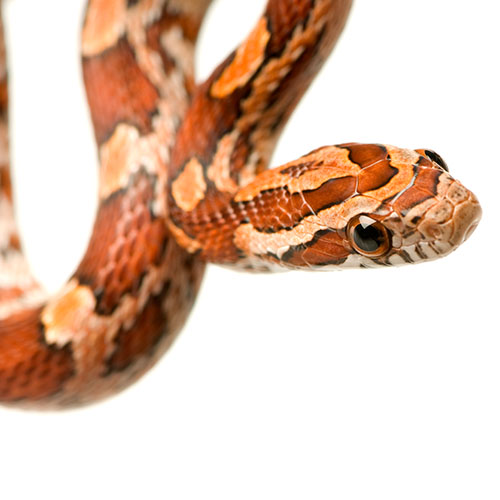
A healthy corn snake should exhibit the following signs:
- Clear Eyes: The eyes should be clear and bright, not cloudy or sunken.
- Full Body: The snake should have a well-defined shape without being overly thin or obese.
- Good Shedding: A healthy corn snake should shed its skin regularly without issues. Poor shedding may indicate health problems.
- Active Behaviour: Healthy corn snakes are usually active and curious, not lethargic.
- Normal Eating Habits: A healthy appetite is a good sign of well-being.
Regular veterinary check-ups are also recommended to ensure your snake stays healthy.
How do I breed corn snakes?
Breeding corn snakes can be a rewarding endeavour for experienced keepers. Here’s a brief overview of the breeding process:
- Breeding Season: Corn snakes typically breed in the spring. Cooling the snakes for a period (around 6-8 weeks at around 60-65°F or 15-18°C) can help stimulate breeding behaviour.
- Pairing: Introduce the male and female in a separate breeding enclosure. Monitor their interactions to ensure they are compatible.
- Egg Laying: After successful mating, the female will lay eggs about 30 days later. The eggs should be collected and placed in a humid incubator at around 27-29°C (80-85°F) for approximately 60 days.
- Hatching: Once hatched, the baby snakes should be separated and provided with their own enclosures for proper care.
What are the common colour morphs of corn snakes?
Corn snakes are known for their wide range of colour morphs. Some of the most popular include:
- Normal: The classic orange-red with black blotches.
- Albino: Lacking melanin, these snakes have a white or yellow body with red or orange patterns.
- Snow: A combination of albino and anerythristic traits, resulting in a white body with pale patterns.
- Anerythristic: These snakes have reduced red pigmentation, appearing grey or silver.
- Caramel: A warm brown colour with dark brown or black patterns.
These morphs can vary widely in price and availability.
Can corn snakes live with other snakes or pets?
Corn snakes are solitary creatures by nature. Keeping multiple snakes in the same enclosure can lead to stress, fighting, and even cannibalism. If you want to keep more than one snake, each individual should have its own separate enclosure. As for other pets, it’s generally not advisable to house corn snakes with other animals, as their predatory instincts may kick in.
What are the common health issues in corn snakes?
While corn snakes are generally hardy, they can suffer from various health issues. Some common problems include:
- Respiratory Infections: Symptoms include wheezing, nasal discharge, and lethargy. These can occur due to poor husbandry or stress.
- Mites: External parasites that can cause irritation and discomfort. Look for small black specks on the snake’s skin or in the enclosure.
- Improper Shedding: This can be due to insufficient humidity or dehydration. Providing proper care and hydration can help prevent this.
- Infections: Bacterial or fungal infections can occur if there are injuries or poor enclosure hygiene.
Regular veterinary care and proper husbandry practices can help prevent these issues.
How do I choose a corn snake?
When choosing a corn snake, consider the following factors:
- Source: Purchase from reputable breeders or pet stores that prioritise animal welfare. Avoid buying from unknown or unethical sources.
- Health: Inspect the snake for signs of good health, such as clear eyes, healthy weight, and active behaviour.
- Morph: Decide on a colour morph that appeals to you, but be aware of the potential for higher prices for rarer morphs.
- Age: Consider whether you want a hatchling, juvenile, or adult. Hatchlings require more care and attention, while adults may be easier to handle.
Corn snakes are an excellent choice for both novice and experienced reptile keepers. Their unique beauty, manageable size, and friendly temperament make them a popular choice in the pet trade. By understanding their needs and behaviour, owners can provide a happy and healthy environment for these fascinating creatures. Whether you’re considering adding a corn snake to your home or simply curious about this captivating species, the information above should help answer your questions and guide you in making informed decisions.
References
Corn Snake Breeding and Care. (2022). The Reptile Room. thereptileroom.com.
Reptiles Magazine. (n.d.). Corn Snake Care. reptilesmagazine.com.
The Spruce Pets. (2021). Corn Snake Care Guide. thesprucepets.com.
PetMD. (2020). Corn Snakes: Care, Diet, and Health. petmd.com.
Corn Snake Morphs. (n.d.). MorphMarket. morphmarket.com.