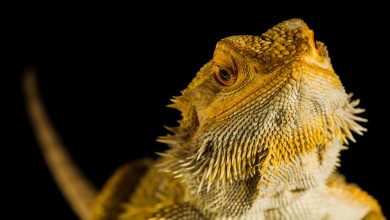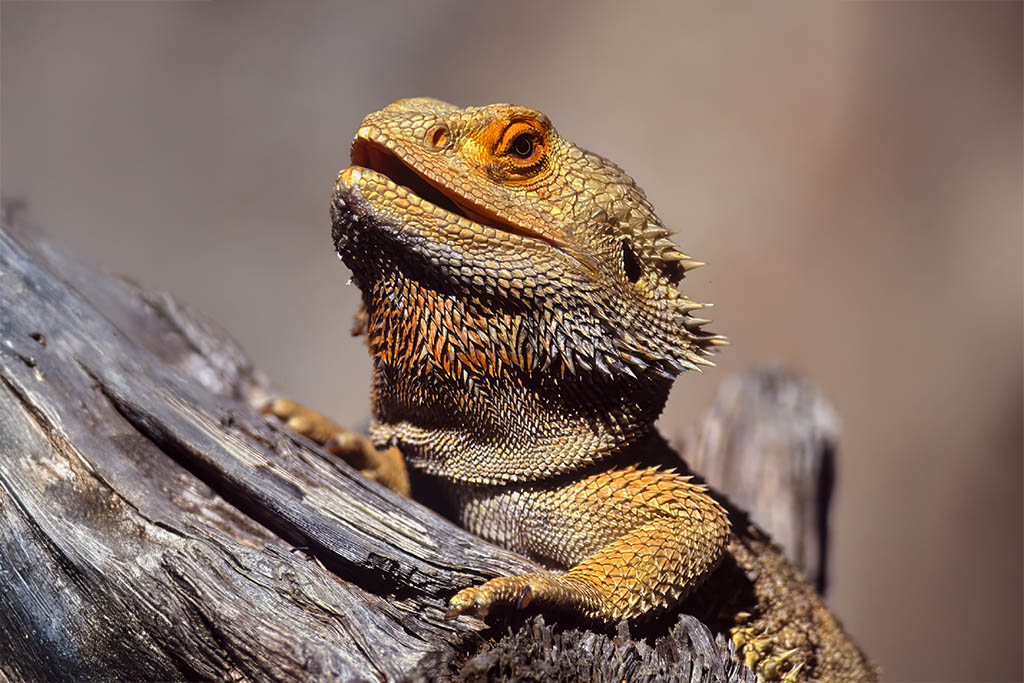
Creating a bioactive vivarium for your bearded dragons is a great way to enhance their habitat and promote their health and well-being. A bioactive setup mimics a natural environment, allowing the reptiles to engage in natural behaviours, such as burrowing, climbing, and foraging. This article will guide you through the essentials of designing and maintaining a bioactive enclosure for bearded dragons, covering everything from the substrate and plants to the cleanup crew and maintenance tips.
Understanding Bioactive Vivariums
What is a Bioactive Vivarium?
A bioactive vivarium is an ecosystem that integrates live plants, animals, and microorganisms to create a self-sustaining environment. In such setups, the waste produced by the animals is broken down by the microorganisms and composted by the cleanup crew, typically consisting of beneficial insects or invertebrates. This process helps maintain a balanced environment, reducing odours and the frequency of enclosure cleaning.
Benefits of Bioactive Vivariums
- Natural Behaviour: A bioactive enclosure allows bearded dragons to exhibit natural behaviours, such as digging, climbing, and hiding.
- Healthier Environment: The presence of live plants and microorganisms contributes to better air quality and humidity levels.
- Aesthetic Appeal: A well-designed bioactive setup is visually pleasing, creating an attractive focal point in your home.
- Less Frequent Cleaning: The presence of a cleanup crew helps manage waste, reducing the frequency of deep cleaning sessions.
Designing Your Bioactive Vivarium
Choosing the Right Size Vivarium
The first step in creating a bioactive vivarium is selecting an appropriate size. Bearded dragons require a minimum of 4ft vivarium (120 gallons) for adults. A larger vivarium will provide ample space for both the reptiles and the plants to thrive. The enclosure should also be well-ventilated to maintain appropriate humidity and airflow.
Substrate Selection
The substrate is a crucial component of a bioactive vivarium, serving as a base for plants and a medium for beneficial microorganisms. Some suitable substrate options for bearded dragons include:
- Sand Mix: While sand is not recommended as the sole substrate due to the risk of impaction, a mixture of sand with soil can be used to create a more natural environment. These are readily available pre-packed from most brands.
- Organic Topsoil: This is a nutrient-rich option that provides excellent drainage while retaining moisture.
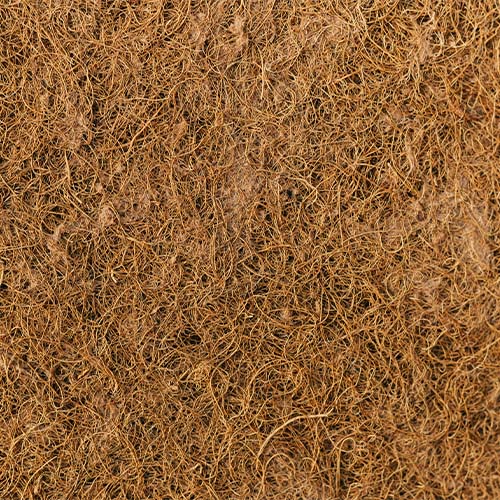
- Coconut Fibre: This substrate retains moisture and provides a naturalistic feel for the enclosure. It is also less prone to compaction than traditional soil.
A good substrate depth is around 3 to 6 inches (7.6 to 15 cm), allowing for burrowing behaviour. Ensure the substrate is free from pesticides and chemicals to maintain the health of your bearded dragons.
Choosing Live Plants
Live plants play a vital role in a bioactive vivarium, offering hiding spots, climbing surfaces, and natural food sources. When selecting plants for your bearded dragon’s habitat, choose those that are safe and non-toxic. Some suitable plant options include:
- Pothos (Epipremnum aureum): This hardy plant thrives in various conditions and is non-toxic to reptiles.
- Spider Plant (Chlorophytum comosum): A resilient plant that can tolerate a range of environments and provides excellent cover.
- Bamboo (Bambusoideae): This plant adds verticality to the enclosure, giving your bearded dragons a place to climb.
- Hibiscus (Hibiscus rosa-sinensis): These vibrant flowers can also provide a treat for your bearded dragons, as the leaves are edible.
- Succulents: Many types of succulents are safe for bearded dragons and can thrive in a dry environment.
When planting, ensure that the plants have enough room to grow and avoid overcrowding the vivarium. Consider planting in pots to facilitate easier maintenance and to prevent the roots from interfering with the substrate.
Incorporating a Clean-up Crew
A bioactive enclosure benefits significantly from a cleanup crew, which helps break down waste and maintain a healthy ecosystem. Common cleanup crew members include:.
- Isopods: These tiny crustaceans feed on organic matter and help break down waste.
- Springtails: These small insects feed on decaying plant material and fungi, keeping the enclosure clean.
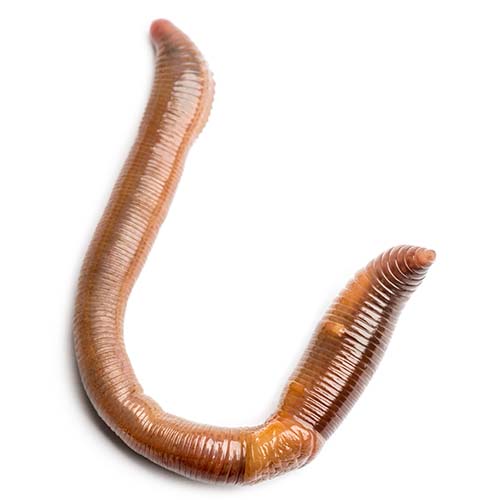
- Worms: Red wigglers or earthworms can help aerate the substrate while breaking down organic matter.
To introduce a cleanup crew, ensure the vivarium is moist but not overly wet, as this can lead to mould or fungus growth. The addition of these organisms will help create a balanced environment that is beneficial for your bearded dragons.
Heating and Lighting Considerations
Proper heating and lighting are critical for a successful bioactive vivarium. Bearded dragons require a basking spot with temperatures between 35°C to 43°C (95°F to 110°F) and a cooler area between 24°C to 29°C (75°F to 85°F). A combination of heat lamps and UVB bulbs should be used to replicate natural sunlight.
- UVB Lighting: A good quality UVB light should cover the entire enclosure, at least 10% (10.0) ideally 12%. This is essential for the synthesis of vitamin D3, which helps in calcium absorption and prevents metabolic bone disease.
- Heat Sources: Ceramic heat emitters or basking bulbs can be used to create temperature gradients within the enclosure.
Ensure that the lighting setup is appropriately positioned, with basking areas easily accessible while allowing areas for your bearded dragons to retreat from the heat if desired.
Creating Hiding Spots and Climbing Structures
Providing hiding spots and climbing structures is essential for the psychological well-being of your bearded dragons. Incorporate natural materials such as:
- Cork Bark: This can be used to create hides and climbing areas. It is lightweight and easy to shape to fit the enclosure.
- Rocks and Logs: Securely placed rocks and branches can provide climbing opportunities and basking spots.
- Caves: Commercially available reptile caves can offer safe hiding spots for your bearded dragons.
Arrange these structures strategically to create a three-dimensional space that encourages exploration and exercise.
Maintenance of a Bioactive Vivarium
Regular Monitoring

Once your bioactive vivarium is established, regular monitoring is crucial. Check the temperature and humidity levels frequently, ensuring they remain within the optimal ranges for bearded dragons. You may also want to invest in a digital thermometer and hygrometer for accurate readings.
Watering and Plant Care
Maintaining healthy plants is vital for the success of a bioactive setup. Regularly water the plants, but be cautious not to overwater, as this can lead to root rot. It is also essential to remove any dead leaves or decaying matter, as this can attract unwanted pests.
Monitoring the Cleanup Crew
Regularly observe the cleanup crew to ensure they are active and thriving. If you notice a decline in their numbers, you may need to replenish them. It’s also important to monitor for signs of mold or fungal growth, which can indicate an imbalance in the enclosure’s ecosystem.
Cleaning and Maintenance
While a bioactive vivarium requires less frequent deep cleaning, occasional maintenance is necessary. Spot clean any visible waste or uneaten food to prevent odours and maintain hygiene. You may need to do a more thorough clean every few months, including refreshing the substrate and ensuring the plants are healthy.
Adjustments and Tweaks
As you observe your bearded dragons and their environment, you may find that adjustments are necessary. This could include changing the placement of plants or hiding spots, adding more climbing structures, or modifying the substrate. Always be flexible and responsive to the needs of your pets.
Common Challenges and Solutions
Pests and Infestations
One of the challenges of maintaining a bioactive enclosure is the potential for pest infestations. If you notice an increase in pests like fruit flies or mites, consider the following solutions:
- Limit Overfeeding: Excess uneaten food can attract pests. Remove uneaten food promptly.
- Maintain Humidity: Ensure the humidity levels are appropriate, as overly damp conditions can encourage pest growth.
- Introduce Beneficial Insects: Certain insects, like ladybugs, can help control pest populations.
Plant Issues
If your plants are wilting or showing signs of distress, consider the following troubleshooting steps:
- Check Lighting: Ensure your plants are receiving enough light without being scorched by the heat.
- Assess Watering Practices: Adjust your watering schedule to avoid over or under-watering.
- Evaluate Plant Compatibility: Some plants may not thrive in your enclosure conditions; consider replacing them with more suitable options.
Balancing Ecosystem Dynamics
Maintaining a balanced ecosystem in a bioactive vivarium can take time. Be prepared to observe and make adjustments as needed. Over time, the ecosystem should stabilise, with the cleanup crew effectively managing waste and plants flourishing.
Creating a bioactive vivarium for your bearded dragons is an enriching and rewarding experience that can lead to healthier, happier pets. By carefully selecting the right substrate, plants, and cleanup crew, and by maintaining proper environmental conditions, you can recreate a natural habitat that encourages exploration, foraging, and overall well-being. While challenges may arise, being attentive and responsive to the needs of your bearded dragons will lead to a thriving ecosystem that benefits both you and your reptiles.
References
Litzgus, J. D., & McCoy, M. A. (2015). “Bearded Dragon Care: What Every Owner Should Know.” Reptiles Magazine. reptilesmagazine.com.
Wyman, J. (2018). “Building a Bioactive Reptile Enclosure.” The Urban Reptile. theurbanreptile.com.
Hoffman, C. (2020). “Creating a Bioactive Habitat for Bearded Dragons.” Reptile Magazine. reptilesmagazine.com.
Lau, S. (2021). “Understanding the Needs of Bearded Dragons: A Guide to Their Care.” Pet Care Journal. petcarejournal.com.
Cornell, K. (2022). “Plant Choices for Your Bioactive Reptile Enclosure.” Herpetological Review. herpetologicalreview.com.
Johnson, T. (2023). “The Importance of a Bioactive Ecosystem for Reptiles.” Reptile Insights. reptileinsights.com.
Peterson, R. (2022). “Caring for Your Bearded Dragon in a Naturalistic Environment.” Herp Care Guide. herpcareguide.com.
Smith, D. (2020). “Maintaining a Clean Bioactive Environment.” The Reptile Keeper. thereptilekeeper.com.
Fisher, B. (2021). “Plants and Your Reptile: Choosing the Right Greenery.” Reptile Care 101. reptilecare101.com.
Roberts, E. (2024). “Creating an Aesthetic Bioactive Setup.” Reptile Living. reptileliving.com.