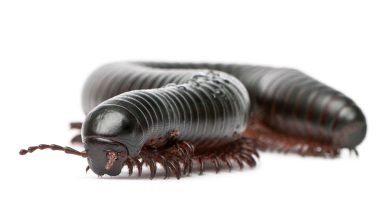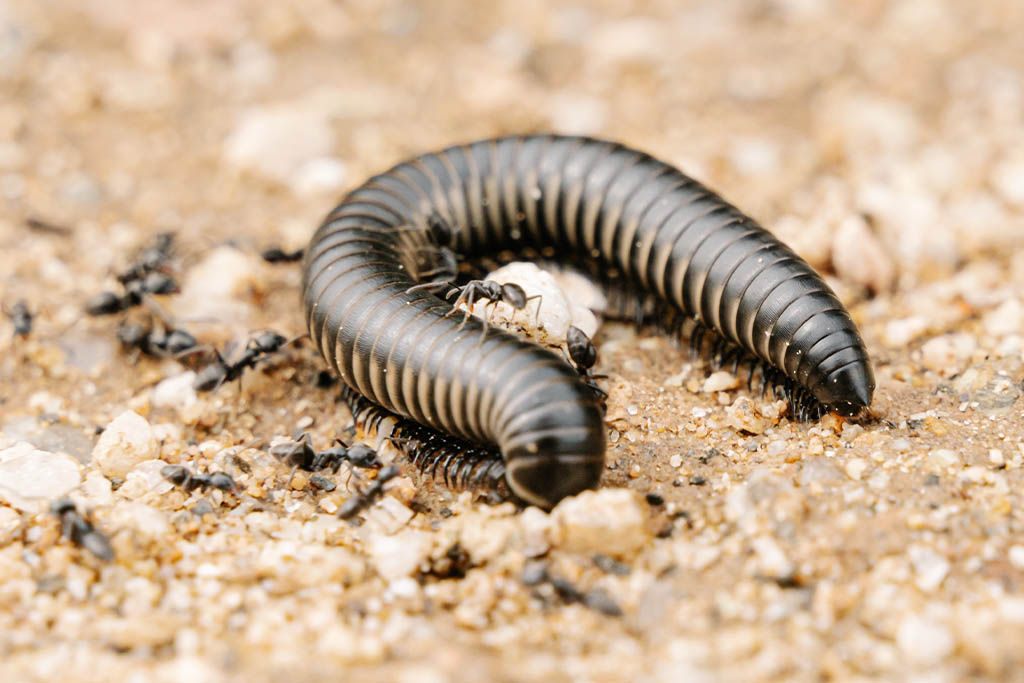
The Giant African Millipede is one of the largest and most docile species of millipedes, making it a popular choice for invertebrate enthusiasts. Its diet plays a crucial role in maintaining health and longevity, which can reach up to 10 years in captivity. This feeding guide outlines essential dietary requirements, feeding practices, and tips to keep your millipede thriving.
Understanding the Natural Diet
In the wild, Giant African Millipedes inhabit tropical and subtropical regions of East and Central Africa, where they play a vital role as detritivores. Their diet primarily consists of:
- Decaying plant material: Leaf litter, rotting wood, and organic detritus.
- Fruits and vegetables: Fallen fruits provide moisture and nutrients.
- Small amounts of protein: Occasionally, millipedes consume dead insects and soil to supplement their diet.
This varied and nutrient-rich diet is essential to replicate in captivity to mimic their natural environment.
Components of a Balanced Diet
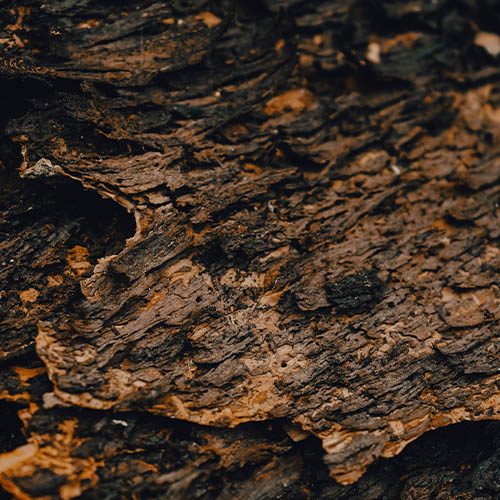
Decaying Organic Matter
The bulk of a Giant African Millipede’s diet comes from its substrate, which should mimic its natural habitat. Ideal substrates include:
- Leaf litter: Provides essential nutrients.
- Rotting wood: A natural source of fibre.
- Flake soil: A pre-fermented wood mix often used in millipede husbandry.
Ensure the substrate is organic and free of pesticides or chemicals. Regular replacement is necessary to maintain its nutritional value.
Fresh Fruits
Fruits add variety to their diet and provide moisture. Popular options include:
- Apples
- Bananas
- Cucumber
- Melon
Feed in moderation to avoid fruit flies or mould. Always remove uneaten portions after 24 hours.
Fresh Vegetables
Vegetables offer fibre and additional nutrients. Suitable choices are:
- Carrots
- Zucchini
- Sweet potatoes
- Squash
Cut vegetables into small, manageable pieces to facilitate consumption.
Protein Sources
Millipedes require protein for the development of their exoskeleton. Protein options include:
- Dead insects: Freeze-dried mealworms or crickets.
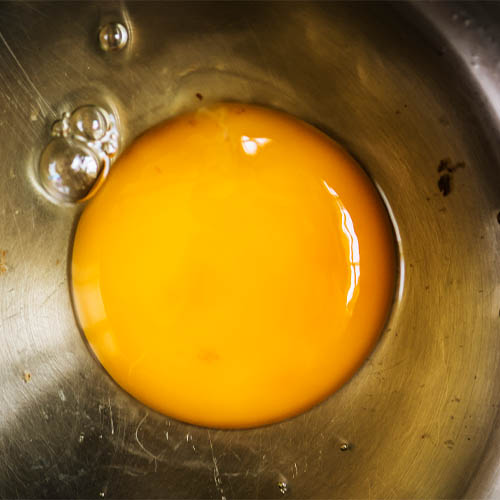
- Cooked egg yolk: Offered occasionally in small portions.
- Fish flakes: A convenient protein supplement.
Introduce protein sparingly to prevent overfeeding.
Calcium and Mineral Supplements
Calcium supports the growth and maintenance of the millipede’s chitin-based exoskeleton. Use calcium powder or mineral dust to lightly coat their food once every week.
Feeding Practices
Feeding Schedule
Feed Giant African Millipedes every 2–3 days. Since much of their diet comes from the substrate, supplemental feeding ensures a balanced diet and variety.
Food Placement
Place food on a flat surface or in a shallow dish to prevent soiling. Scatter small amounts around the enclosure to encourage foraging behaviour.
Monitoring Consumption
Observe how much food your millipede consumes. Adjust portions based on its activity levels and avoid overfeeding, which can attract pests like mites or fruit flies.
Foods to Avoid
Certain foods can harm Giant African Millipedes or disrupt their digestion:
- Citrus fruits: The acidity can irritate their digestive system.
- Processed foods: Items containing preservatives, salts, or sugars are unsuitable.
- Pesticide-treated produce: Always wash fruits and vegetables thoroughly to remove chemical residues.
Hydration
Millipedes obtain most of their moisture from their food and the dampness of their substrate. However, it’s crucial to maintain proper enclosure humidity between 75–85% by misting regularly. Additionally:
- Provide a shallow dish of water for extra hydration.
- Ensure the dish is not too deep to prevent accidental drowning.
Substrate as a Food Source
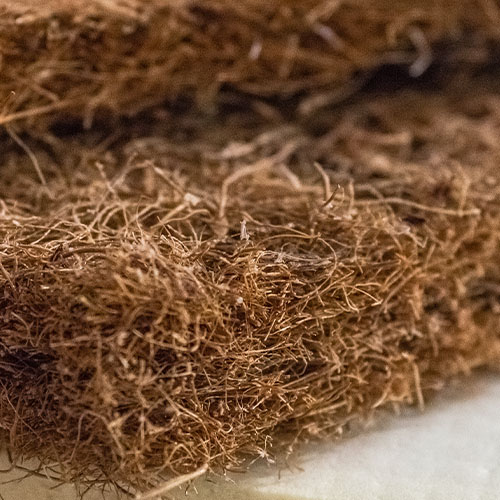
The substrate serves a dual purpose, acting as both bedding and a continuous food source. A good substrate mix includes:
- Coconut fibre
- Peat moss
- Decomposed hardwood
- Leaf litter
The substrate should be moist but not wet, mimicking the millipede’s natural environment. Replace parts of the substrate periodically to maintain its nutritional quality.
Common Feeding Problems
Refusal to Eat
Millipedes may stop eating due to:
- Stress from a new environment.
- Unsuitable humidity or temperature (ideal range: 24–28°C).
- Poor quality or pesticide-contaminated food.
Overfeeding
Excess food can attract mites, fruit flies, or mould, leading to a decline in enclosure hygiene. Only offer what the millipede can consume within 24 hours.
Impaction
Using the wrong substrate, such as coconut coir, can cause impaction—a potentially fatal blockage in the digestive system. Always ensure substrate is safe and appropriate
Additional Tips for Healthy Feeding
- Variety is Key: Rotate the types of fruits, vegetables, and protein sources to provide a broad spectrum of nutrients.
- Seasonal Foods: Adjust the diet to include seasonally available produce for freshness and cost-efficiency.
- Observe Behaviour: Active, exploratory behaviour during the night indicates a healthy and well-fed millipede.
Feeding a Giant African Millipede involves replicating its natural diet as closely as possible. By providing a rich substrate base supplemented with fresh produce, occasional protein, and necessary minerals, you can ensure a healthy and thriving pet. Proper hydration, careful monitoring, and maintaining a clean enclosure are critical to successful husbandry.
References
- WikiHow – Caring for Giant African Millipedes WikiHow Pet
- Boogie Down Bugs – Archispirostreptus gigas Care Guide Boogie Down Bugs
- Bantam Earth – Giant African Millipede Diet and Care Bantam.earth