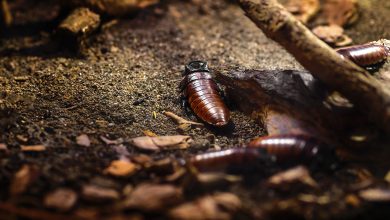
Madagascan hissing cockroaches (Gromphadorhina portentosa) are fascinating creatures that have gained popularity as pets and educational animals. Originating from Madagascar, these large cockroaches are not only visually striking but also exhibit unique behaviours that can captivate enthusiasts and casual observers alike. In this guide, we will explore the natural history, care requirements, habitat setup, feeding, and handling of Madagascan hissing cockroaches, making it an ideal resource for beginners.
Natural History
Madagascan hissing cockroaches are among the largest cockroach species in the world, reaching lengths of up to 10 centimetres (approximately 4 inches). They are characterised by their dark brown or black exoskeleton, which gives them a somewhat intimidating appearance. Despite their size and looks, these cockroaches are harmless to humans and make for excellent pets.
Hissing cockroaches get their name from the distinct hissing sound they produce by forcing air through small openings in their abdomen. This sound serves various purposes, including communication with other cockroaches, establishing territory, and attracting mates. In the wild, these cockroaches can be found in leaf litter and under logs in the humid forests of Madagascar, where they play an essential role in the ecosystem by aiding in the decomposition of organic matter.

Setting Up a Habitat
Creating a suitable habitat for your Madagascan hissing cockroaches is crucial for their well-being. Here’s a step-by-step guide to setting up their enclosure:
1. Choosing the Right Enclosure:
- A glass terrarium or plastic container with a secure lid is ideal for hissing cockroaches. A 20-gallon tank is sufficient for a small colony.
- Ensure the enclosure is well-ventilated to prevent excess humidity and mould growth.
2. Substrate:
- Use a substrate that mimics their natural habitat. A mixture of coconut coir, peat moss, and leaf litter works well. You can also purchase made up invertebrate substrate mixes.
- The substrate should be at least 5–10 cm deep to allow the cockroaches to burrow and explore.
3. Hiding Spots:
- Provide various hiding spots using cardboard tubes, pieces of wood, or commercially available hides. This helps reduce stress and provides a sense of security.
4. Temperature and Humidity:
- Maintain a temperature range of 24–29°C (75–85°F) during the day and slightly cooler at night.
- Keep humidity levels between 40% and 60%. Mist the enclosure lightly with water several times a week to maintain moisture.
5. Lighting:
- Provide a natural light cycle. While direct sunlight is unnecessary, a low-wattage light can simulate daylight. Ensure there are shaded areas in the enclosure.
Feeding Madagascan Hissing Cockroaches
Madagascan hissing cockroaches are omnivorous and require a balanced diet to thrive. Here’s how to properly feed them:
1. Commercial Diets:
- Commercial insect diets are available that provide essential nutrients. However, these should be supplemented with fresh foods.
2. Fresh Foods:
Always wash produce to remove pesticides and chemicals before feeding.
Offer a variety of fresh fruits and vegetables, such as:
- Leafy greens (romaine, kale)
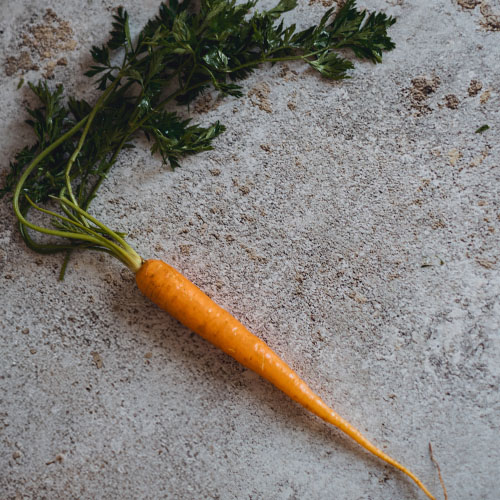
- Carrots
- Apples
- Bananas
3. Protein Sources:
- Occasionally, provide protein sources like cat or dog food, fish flakes, or small amounts of boiled eggs. Protein is particularly important for breeding females.
4. Water:
- Provide a shallow water dish or use a damp sponge to ensure they have access to moisture without the risk of drowning.
5. Calcium Supplement:
- If you keep hissing cockroaches with other pets, such as reptiles, consider adding a calcium supplement to their diet to benefit your other pets.
Handling and Interacting
Madagascan hissing cockroaches are generally docile and can be handled with care. However, proper handling techniques are essential to ensure both your safety and the cockroach’s well-being:
1. Gentle Handling:
- When picking up a cockroach, approach slowly and gently cup it in your hand. Avoid sudden movements to prevent stress.
2. Supervised Interactions:
- If you have children or pets, supervise interactions to prevent accidents. Educate children on how to handle cockroaches gently.
3. Observation:
- Spend time observing your cockroaches. Their behaviours can be fascinating, from hissing to grooming, and observing them can deepen your appreciation for these creatures.
Breeding Madagascan Hissing Cockroaches
Breeding Madagascan hissing cockroaches is relatively straightforward, making them an excellent choice for enthusiasts interested in breeding. Here’s how to do it:
1. Sexing Cockroaches:
- Males are typically smaller than females and have more prominent “horns” on their heads, while females have a broader abdomen.
2. Breeding Conditions:
- To encourage breeding, provide a well-maintained habitat with adequate food and humidity. The ideal temperature for breeding is around 27°C (80°F).
3. Egg Cases:
- Females give birth to live young rather than laying eggs. The gestation period is about 60 days, after which females can produce 30-40 nymphs per brood.
4. Caring for Nymphs:
- Provide a separate habitat for nymphs if breeding is successful. They require a diet similar to adults but in smaller pieces.
Common Health Issues
While Madagascan hissing cockroaches are generally hardy, they can face a few health issues. Awareness of these problems will help you maintain their health:
1. Mould and Mildew:
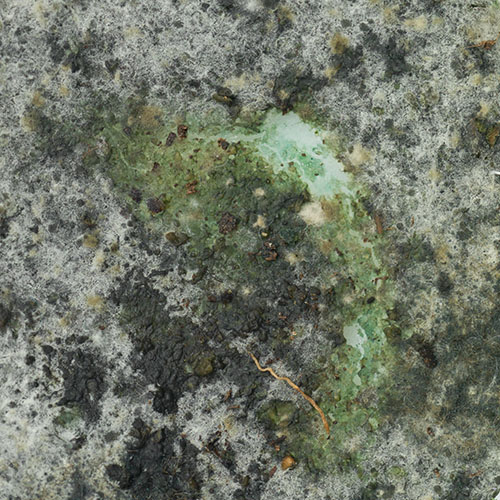
- Excess humidity can lead to mould growth. Ensure proper ventilation and monitor humidity levels to prevent this.
2. Dehydration:
- Cockroaches can suffer from dehydration if they do not have access to water. Monitor their hydration levels and provide moisture as needed.
3. Parasites:
- Keep an eye out for signs of parasites, which can affect their health. Regular cleaning of the enclosure can help prevent infestations.
Madagascan hissing cockroaches are unique and fascinating creatures that make excellent pets for beginners. With the right care, they can thrive in a well-maintained habitat, and their intriguing behaviours will provide endless enjoyment. Whether you’re interested in observing their hissing communication or breeding them, these cockroaches offer a rewarding experience for enthusiasts of all ages.
As with any pet, it’s essential to do thorough research and be prepared for the responsibility of caring for them. By following the guidelines outlined in this article, you can create a healthy environment for your Madagascan hissing cockroaches and enjoy the many wonders they bring into your life.
References
- Bell, W. J. (1990). Cockroaches: Ecology, Behavior, and Natural History. New York: Oxford University Press.
- Princis, K. (1969). “The Cockroaches (Blattodea) of the World”. Entomological Society of America.
- Smith, J. (2014). The Complete Guide to Insect Husbandry. London: Oxford University Press.
- Snyder, C. (2016). “Keeping Madagascar Hissing Cockroaches as Pets”. The Journal of Entomology and Zoology Studies, 4(3), 78-83.
- “Madagascan Hissing Cockroaches: Care and Breeding”. (2020). The Invertebrate Keeper’s Guide.
- “Pet Cockroaches: An Unusual but Interesting Pet”. (2021). The Journal of Exotic Pet Medicine, 30, 203-209.