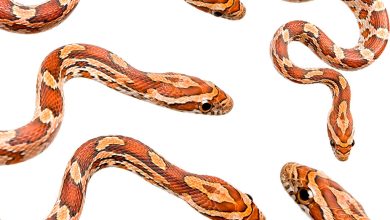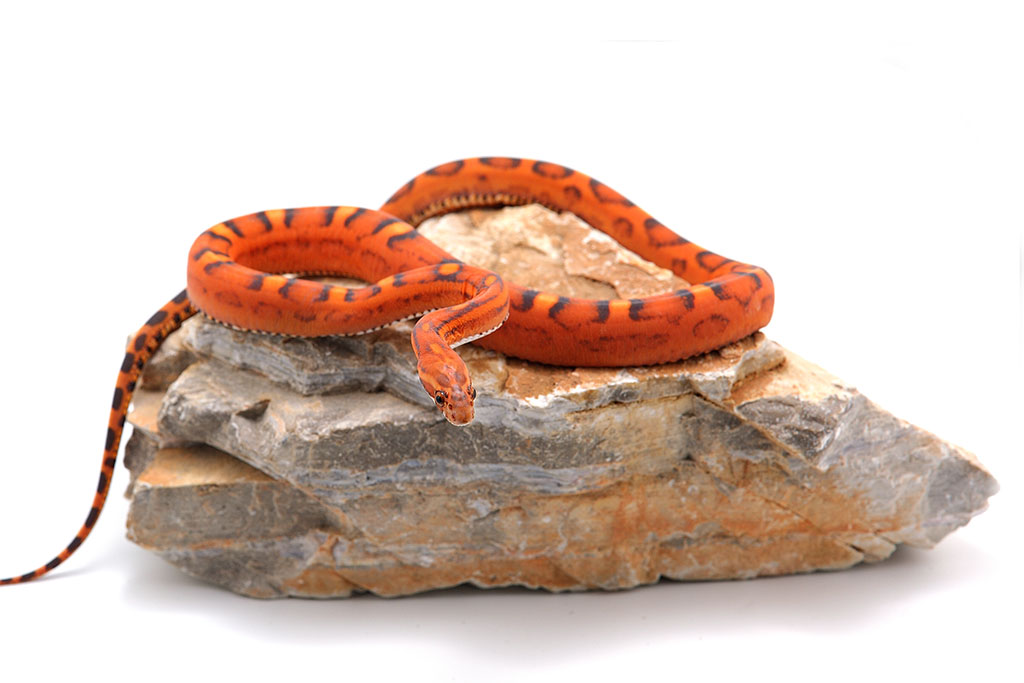
Corn snakes (Pantherophis guttatus) are popular pets among reptile enthusiasts, known for their gentle temperament and vibrant colouration. A crucial aspect of keeping corn snakes healthy and happy is providing them with suitable hiding spaces. Hides are essential as they offer your snake a sense of security, help reduce stress, and promote natural behaviours. This article will guide you through the best corn snake hides available, including types, materials, and recommendations.
Why Hides Are Important for Corn Snakes
Corn snakes are naturally secretive creatures. In the wild, they seek out places to hide from predators and to regulate their temperature. In captivity, providing proper hides replicates their natural environment, helping them feel secure. Here are some key reasons why hides are essential for corn snakes:
- Security: Hides give corn snakes a safe space to retreat when they feel threatened or stressed. This helps them regulate their stress levels and encourages natural behaviours.
- Thermoregulation: Corn snakes require a temperature gradient in their enclosure, allowing them to bask and cool off as needed. Hides can provide a suitable microenvironment for thermoregulation.
- Shedding: Snakes often prefer to shed in a secure, hidden location. Providing a suitable hide can facilitate the shedding process, reducing the likelihood of retained skin.
- Breeding: If you are breeding corn snakes, providing multiple hides can help reduce stress during the breeding process and encourage natural behaviours.
- Exploration: Hides can stimulate natural exploration behaviours, as snakes tend to explore their environment when they feel secure.
Types of Hides for Corn Snakes
When choosing hides for your corn snake, there are several types to consider, each offering different benefits. Here are some common types of hides suitable for corn snakes:
1. Caves
Caves are solid, enclosed structures that provide a secure hiding space. They can be made from various materials, including plastic, resin, or ceramic. Caves are ideal because they often have a small entry point, allowing your snake to feel safe and protected inside.
Pros:
- Provide complete privacy.
- Available in various sizes and designs.
- Easy to clean (depending on material).
Cons:
- Can be heavy and difficult to reposition.
- May retain heat, so monitoring temperatures is essential.
Recommendations:
- Exo Terra Reptile Cave: Made from non-porous resin, this cave is easy to clean and offers a realistic look that blends well into the terrarium.
2. Hollow Logs
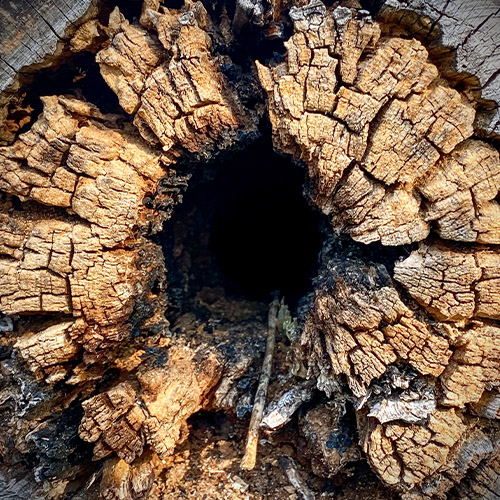
Hollow logs replicate a natural hiding spot and allow snakes to move in and out easily. They are typically made from wood or resin and can add an aesthetic element to the enclosure.
Pros:
- Provides a spacious hide for larger snakes.
- Mimics natural environments, enhancing the aesthetic of the enclosure.
Cons:
- May be difficult to clean if made from real wood.
- Can take up a lot of space in smaller enclosures.
Recommendations:
- Exo Terra Natural Wood: This natural-looking log is made from wood and offers a realistic hiding spot for corn snakes.
3. Plastic Hides
Plastic hides are a popular choice for many reptile keepers due to their durability and ease of cleaning. They come in various shapes and sizes and are often designed for specific species.
Pros:
- Lightweight and easy to reposition.
- Easy to clean and disinfect.
- Available in a variety of designs and sizes.
Cons:
- May lack the aesthetic appeal of natural materials.
- Some snakes may not prefer them as they can be less secure.
Recommendations:
- Storage Containers: A cost-effective solution, these containers can be cut to size and used as hides. They come in various sizes, making them suitable for different life stages of corn snakes.
- Pro Rep Plastic Hide: This compact plastic hide is perfect for smaller corn snakes and is easy to clean.
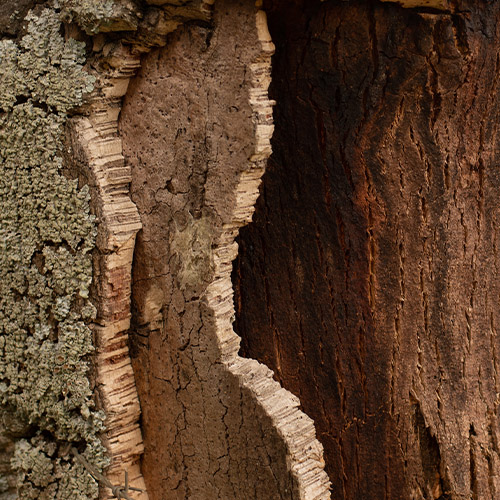
4. Cork Bark
Cork bark is a natural product that can be used as a hide or as part of a climbing structure. It provides a secure hiding spot while also allowing for climbing and exploration.
Pros:
- Lightweight and easy to position.
- Provides a natural look and feel.
- Encourages climbing and exploration behaviours.
Cons:
- Can be more expensive than synthetic options.
- Needs to be checked regularly for mould or pests.
Recommendations:
- Cork Bark Tubes: Available in various sizes, these tubes can be positioned in the enclosure to create hiding spots and climbing surfaces.
- Zoo Med Cork Bark Flat: This flat piece of cork can be propped against the side of the enclosure to create a natural-looking hide.
5. Mesh Hides
Mesh hides are designed to offer ventilation while still providing a secure hiding place. These are often used in breeding setups or with juvenile snakes.
Pros:
- Excellent ventilation helps reduce humidity.
- Lightweight and easy to clean.
Cons:
- May not provide enough security for more nervous snakes.
- Can be less visually appealing than other options.
Recommendations:
- Zoo Med Mesh Hide: This product offers ventilation while still providing a secure hiding space.
- Exo Terra Hide Box: Designed for hatchlings and smaller snakes, this box offers good ventilation and is easy to clean.
6. DIY Hides
Creating a DIY hide can be a fun and cost-effective way to provide your corn snake with a secure space. Common materials include cardboard boxes, plastic containers, and even flower pots. Be sure to check for any harmful chemicals or substances before using them.
Pros:
- Customisable to fit your snake’s needs.
- Cost-effective solution.
- Can be made from safe, recycled materials.
Cons:
- May not last as long as commercially available options.
- Requires more effort to create and maintain.
7. Naturalistic Hides
Naturalistic hides combine various elements to create a more complex hiding environment. These might include a mix of logs, rocks, and plants, allowing your snake to explore while still having secure spots to hide.
Pros:
- Mimics natural habitats, enhancing the snake’s environment.
- Provides multiple hiding options.
Cons:
- Can be expensive to create or purchase.
- Requires more space than simple hides.
Recommendations:
- Exo Terra Natural Terrarium: This kit includes various natural elements for creating a complex habitat for your corn snake.
How to Choose the Right Hide
When selecting hides for your corn snake, consider the following factors:
- Size: Ensure the hide is appropriately sized for your corn snake. It should be snug enough to provide a sense of security but large enough for the snake to move around comfortably.
- Material: Consider the material of the hide. Plastic is easy to clean, while natural materials offer a more authentic experience. Be sure to choose non-toxic materials.
- Design: Think about the design of the hide. Some snakes prefer enclosed hides, while others may feel more comfortable in semi-open spaces. Observe your snake’s behaviour to determine its preferences.
- Ease of Cleaning: Hides should be easy to clean and maintain. Choose materials that can be disinfected regularly to prevent bacteria build-up.
- Temperature Regulation: Ensure the hide allows for proper temperature regulation. Some hides may retain heat, while others provide ventilation. Monitor the temperatures in your snake’s enclosure to ensure it stays within a healthy range.
Tips for Setting Up Hides in Your Corn Snake Enclosure
- Multiple Hides: It’s beneficial to provide more than one hide in your snake’s enclosure, especially if you have multiple snakes or plan to breed. This allows each snake to have its own secure space.
- Positioning: Place hides in both the warm and cool sides of the enclosure. This allows your snake to choose a hide that suits its temperature preference at any given time.
- Check for Security: Ensure that the hides are securely positioned and cannot be easily knocked over or moved by the snake. Stability is important to prevent stress.
- Monitor Behaviour: Observe your snake’s behaviour around the hides. If your snake is spending excessive time outside of the hide or seems stressed, you may need to adjust the setup.
- Regular Maintenance: Clean the hides regularly to prevent the build-up of waste and bacteria. Replace any damaged or soiled hides promptly.
Choosing the right hides for your corn snake is crucial to ensuring its health and happiness. With various options available, from caves to naturalistic setups, you can create a comfortable and secure environment for your pet. By understanding the needs of your corn snake and observing its behaviour, you can select hides that will promote its well-being. Remember to keep the enclosure clean, provide multiple hides, and monitor your snake’s health and behaviour. With the right setup, your corn snake will thrive and exhibit its natural behaviours.
References
Schuett, G. W., & H. C. Lee (2003). The Corn Snake: A Natural History of the Pantherophis guttatus. Herpetological Review, 34(3), 197-199.
Exo Terra. (2023). Reptile Caves. exoterra.com.
Zilla. (2023). Zilla Habitat Decor. zilla.com.
Reptile Magazine. (2021). Caring for Your Corn Snake. reptilesmagazine.com.
Zoo Med. (2023). Cork Bark and Its Uses in Reptile Habitats. zoomed.com.
Herp Research. (2020). Understanding Hides for Pet Snakes. herpresearch.com.
Corn Snake Care. (2022). Setting Up a Corn Snake Enclosure. cornsnakecare.com.