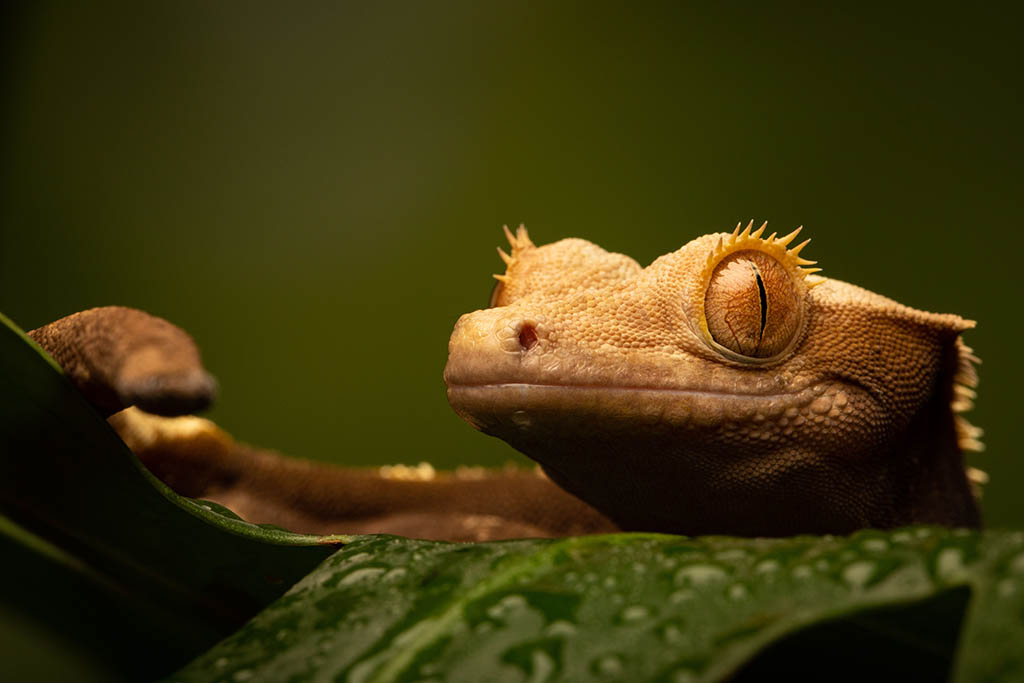
Crested geckos (Correlophus ciliatus) are fascinating pets known for their friendly nature and unique appearance. A bioactive enclosure offers a more natural and stimulating environment for these reptiles, closely mimicking their native habitat in New Caledonia. In this article, we’ll explore how to create a bioactive setup for your crested gecko, including essential components, care tips, and the benefits of this type of habitat.
Understanding Bioactive Enclosures
A bioactive enclosure is a self-sustaining ecosystem that includes live plants, microfauna (such as springtails and isopods), and other organic materials that promote a healthy environment for your pet. Unlike traditional enclosures, bioactive setups aim to mimic natural habitats, providing enrichment for your crested gecko and helping to maintain cleanliness through natural processes.
Benefits of Bioactive Enclosures
Naturalistic Environment: Bioactive enclosures closely resemble the natural habitat of crested geckos, enhancing their overall well-being.
Reduced Odours: Microfauna help break down waste and organic materials, reducing unpleasant smells.
Natural Behaviour: Live plants and substrate encourage natural behaviours, such as climbing, hiding, and foraging.
Better Humidity Control: A bioactive setup can help regulate humidity levels, crucial for crested geckos’ health.
Self-Sustaining Ecosystem: Once established, bioactive enclosures require less frequent cleaning and maintenance.
Essential Components of a Bioactive Enclosure
Creating a bioactive enclosure requires careful consideration of several components, including the enclosure size, substrate, plants, microfauna, and additional furnishings.

Enclosure Size
The size of the enclosure will depend on the number of crested geckos you plan to keep. A minimum size of 45x45x60 cm (18x18x24 inches) is recommended for one adult crested gecko. Larger enclosures allow for more enrichment and better humidity control. If housing multiple geckos, ensure that the enclosure is spacious enough to reduce stress and territorial disputes.
Substrate
Choosing the right substrate is crucial for a successful bioactive enclosure. A mixture of various substrates can help achieve a natural feel and maintain humidity. Consider using the following materials:
- Coconut Fibre: A popular choice for its moisture-retaining properties and natural appearance.
- Organic Potting Soil: Provides nutrients for plants and encourages beneficial microorganisms.
- Sphagnum Moss: Helps retain moisture and offers a soft surface for geckos to walk on.
- Clay Pellets: Assist with drainage and aeration.
A recommended substrate layer is about 5-10 cm (2-4 inches), allowing for adequate drainage and plant growth.
Plants
Live plants not only enhance the aesthetics of the enclosure but also help regulate humidity and provide hiding spots for your crested gecko. Choose plants that are safe for reptiles and can thrive in a humid environment. Some suitable options include:
- Pothos (Epipremnum aureum): A hardy plant that tolerates low light and high humidity.
- Snake Plant (Sansevieria trifasciata): A low-maintenance plant that can handle varying light conditions.
- Ferns (e.g., Boston Fern, Maidenhair Fern): These thrive in high humidity and provide lush foliage for climbing.
- Spider Plant (Chlorophytum comosum): An easy-to-grow plant that can tolerate lower light levels.
Before adding plants to the enclosure, ensure they are pesticide-free and safe for reptiles.
Microfauna
Microfauna play a vital role in maintaining a bioactive enclosure’s health. They help break down waste, aerate the substrate, and promote a balanced ecosystem. The following microfauna are commonly used in bioactive setups:
- Springtails (Collembola): These tiny creatures feed on decaying organic matter, helping to control mould and waste.
- Isopods (e.g., Porcellio laevis, Armadillidiidae): Also known as pill bugs, these help decompose waste and add nutrients to the substrate.
To introduce microfauna, add them to the enclosure after setting up the substrate and plants. They will establish themselves over time, creating a thriving ecosystem.
Additional Furnishings
Adding hides, climbing structures, and water features can enhance your crested gecko’s habitat. Consider the following:
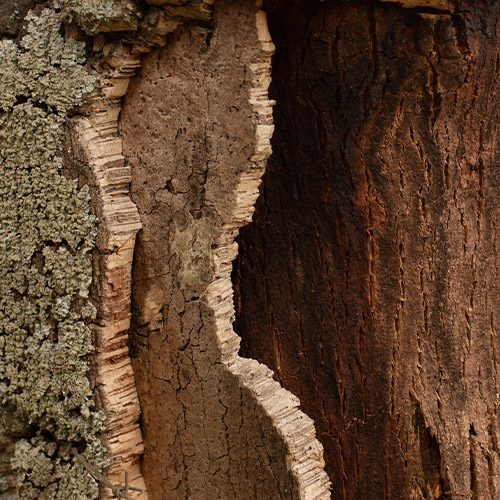
Hiding Spots: Provide multiple hiding places using cork bark, driftwood, or commercially available hides. This helps reduce stress and offers security for your gecko.
Climbing Structures: Crested geckos are arboreal, so include branches, vines, or rocks for climbing and exploration. Ensure that all items are secure and won’t collapse under your gecko’s weight.
Water Dish: Provide a shallow water dish for drinking and occasional soaking. Ensure it is easy to access and clean regularly.
Setting Up Your Bioactive Enclosure
Now that you’ve gathered all the essential components, it’s time to set up your bioactive enclosure.
Step 1: Prepare the Enclosure
Clean the enclosure thoroughly before starting. Remove any previous substrates or decorations. Rinse the tank with warm water and allow it to dry completely. If using a glass tank, ensure it’s free of scratches or residues that could harm your gecko.
Step 2: Add the Substrate
Layer your substrate materials in the enclosure. Start with a drainage layer of clay pellets (about 2-5 cm or 1-2 inches) to prevent water accumulation. Next, add a layer of sphagnum moss to further aid drainage and moisture retention. Finally, top it off with a mixture of coconut fibre and organic potting soil.
Step 3: Planting
Carefully plant your chosen live plants throughout the enclosure. Ensure that they are well-secured and not too crowded, allowing for proper growth and airflow. Arrange taller plants towards the back and shorter ones in the front for a visually appealing layout.
Step 4: Introduce Microfauna
After planting, introduce your microfauna to the enclosure. Sprinkle them evenly across the substrate to help establish a balanced ecosystem. They will help break down waste and maintain a clean environment.
Step 5: Add Furnishings
Place hides, climbing structures, and any additional decorations within the enclosure. Ensure that they are stable and secure to prevent any accidents.
Step 6: Monitor Conditions
Once your bioactive enclosure is set up, monitor the temperature and humidity levels regularly. Crested geckos thrive in temperatures between 21-27°C (70-80°F) during the day and slightly cooler at night. Humidity levels should be kept between 60-80%. Mist the enclosure daily to maintain humidity and provide fresh drinking water.
Maintenance of a Bioactive Enclosure
A bioactive enclosure requires ongoing care, but the effort is well worth it. Here are some maintenance tips to keep your setup thriving:
- Monitor Humidity and Temperature: Use a reliable thermometer and hygrometer to check the enclosure’s conditions regularly.
- Regular Misting: Mist the enclosure daily or as needed to maintain humidity. Pay attention to plant needs, as they may require additional moisture.
- Spot Cleaning: While bioactive enclosures self-regulate, spot clean any visible waste or uneaten food. Avoid disturbing the substrate or microfauna.
- Pruning Plants: Regularly trim plants to prevent overgrowth and maintain airflow. Remove any dead leaves to avoid mould.
- Microfauna Population: If you notice a decline in microfauna, consider reintroducing them to maintain balance. They may require supplementary feeding if their food source diminishes.
Creating a bioactive enclosure for your crested gecko is a rewarding experience that enhances their quality of life and mimics their natural habitat. By carefully selecting the right components and maintaining a balanced ecosystem, you can provide your pet with a thriving environment that supports their health and well-being. With a little time and effort, you’ll create a stunning, self-sustaining habitat for your crested gecko to thrive in.
References
Stowers, C. (2019). “Setting Up a Bioactive Vivarium for Your Pet Reptile.” Herpetological Review, 50(4), 473-479.
Allen, M. (2021). The Complete Guide to Crested Geckos: Everything You Need to Know About Breeding, Feeding, and Care. Wildlife Publications.
Cuthill, I. C., & Bennett, A. T. D. (2017). The Evolution of Reptilian Behaviour: The Impact of Environment. Journal of Zoology, 303(2), 89-101. doi:10.1111/jzo.12423.
Murphy, J. B. (2022). The Bioactive Vivarium: A Guide to the Perfect Setup for Your Reptiles and Amphibians. Reptile Publishing.
Reptile Magazine. (2020). “Creating a Bioactive Habitat for Reptiles.” Reptile Magazine. Reptile Magazine.