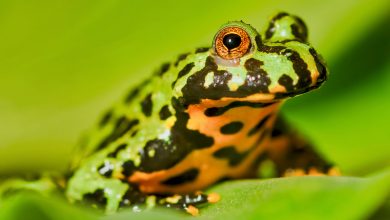
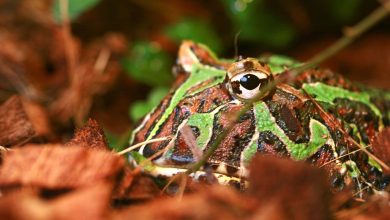
The red-eyed tree frog (Agalychnis callidryas) is one of the most recognisable amphibians in the world, famed for its vivid green body and striking red eyes. Native to the rainforests of Central America, this species thrives in humid, tropical environments. Understanding their temperature and humidity requirements is crucial for maintaining healthy captive populations and conserving their natural habitats. This article will delve into the optimal conditions for temperature and humidity for red-eyed tree frogs, along with care tips for enthusiasts and hobbyists.
Natural Habitat
The red-eyed tree frog primarily inhabits lowland rainforests, where humidity levels often range between 80% and 100%. They are typically found in trees and shrubs near water sources, which provide both a breeding ground and a habitat for their prey, such as insects. The frogs are nocturnal, meaning they are most active at night when temperatures tend to drop, and humidity levels often peak. These conditions play a critical role in their life cycle, influencing everything from their feeding habits to their reproductive behaviours.

Temperature Requirements
Optimal Temperature Range
For red-eyed tree frogs in captivity, the optimal temperature range is between 24°C and 28°C (75°F to 82°F) during the day. At night, temperatures can drop to around 18°C to 22°C (64°F to 72°F). Such a temperature gradient allows the frogs to regulate their body temperature by moving to warmer or cooler areas in their habitat.
Daytime Temperatures
During the daytime, maintaining a warm environment is essential. Frogs are ectothermic, meaning their body temperature is regulated by their external environment. If temperatures drop too low, frogs can become lethargic and less active, which can affect their feeding and overall health.
Night-time Temperatures
At night, it’s crucial to allow temperatures to drop. This mimics their natural habitat, where temperatures fluctuate. A drop in temperature at night helps to regulate their circadian rhythms and is also vital for their reproductive cycle.
Temperature Fluctuations
While red-eyed tree frogs can tolerate slight fluctuations in temperature, extreme changes can be harmful. Sudden drops or spikes can lead to stress, making frogs more susceptible to illness. It’s essential to monitor temperature regularly using a thermometer and adjust heating elements as necessary to maintain a stable environment.
Heating Methods
When setting up a habitat for red-eyed tree frogs, several heating methods can be used:
- Under-Tank Heaters: These can be placed beneath one side of the tank to create a warm area while leaving the other side cooler for thermoregulation.
- Heat Lamps: Use heat lamps cautiously to avoid overheating. A dimmer switch can help control the temperature.
- Heating Mats: These can provide gentle heat from below. Ensure they are regulated and don’t cause the substrate to overheat.
Always monitor the temperature in the enclosure to ensure it remains within the optimal range for the frogs.
Humidity Requirements
Optimal Humidity Levels
Humidity is perhaps even more critical than temperature for red-eyed tree frogs. The ideal humidity level for their habitat should range from 50% to 80%. This range mimics their natural rainforest environment, providing the necessary moisture for their skin health and overall well-being.
Importance of Humidity
High humidity levels are essential for several reasons:
- Skin Health: Frogs absorb moisture through their skin, and high humidity levels help prevent dehydration, which can lead to serious health problems.
- Breeding: Humidity plays a vital role in breeding success. Females require moist environments to lay their eggs, while the developing embryos need a humid atmosphere to thrive.
- Feeding: The presence of moisture encourages the growth of microorganisms and insects, providing a constant food source for the frogs.
Maintaining Humidity
Maintaining proper humidity levels in a captive environment can be achieved through several methods:
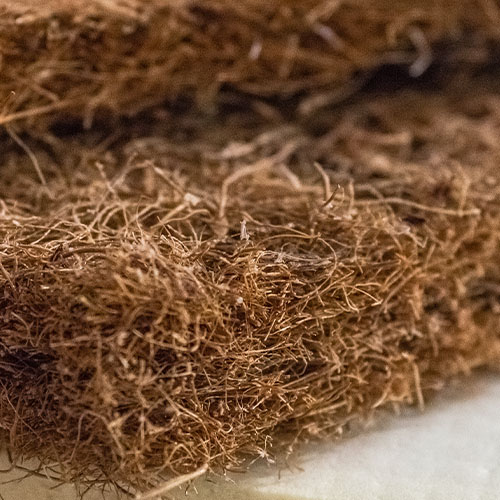
Substrate Choice: The substrate can significantly impact humidity levels. Using substrates such as coconut fibre, sphagnum moss, or a bioactive substrate can help retain moisture and maintain the desired humidity levels.
Misting: Regular misting of the enclosure is essential to maintain humidity. This can be done manually or through an automated misting system. Misting should be done several times a day, particularly in warmer months or if the enclosure is exposed to direct sunlight.
Water Features: Including a shallow water dish or a small water feature in the enclosure can help maintain humidity. Ensure the water is changed regularly to prevent the growth of harmful bacteria.
Monitoring Humidity
Using a hygrometer is the best way to monitor humidity levels in the enclosure. Regular checks are essential to ensure that the humidity remains within the optimal range. If levels drop below 50%, consider increasing misting or adding more moisture-retaining substrates.
Behavioural Adaptations
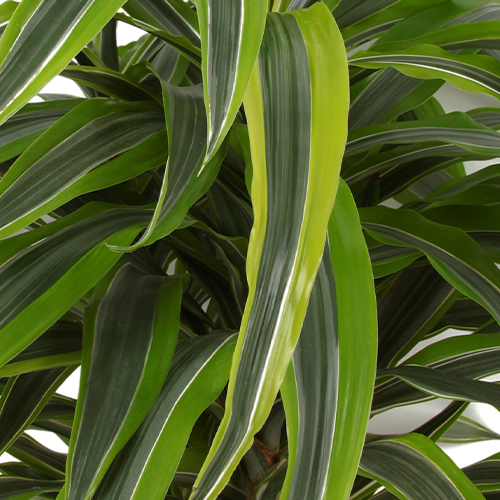
In their natural habitat, red-eyed tree frogs have adapted to manage temperature and humidity fluctuations effectively. They often hide in foliage during the heat of the day, which helps them stay cool and retain moisture. This behaviour is crucial for preventing dehydration.
Captive owners can mimic these behaviours by providing plenty of hiding spots using live plants or artificial foliage, allowing the frogs to feel secure and maintain their natural habits.
Common Issues Related to Temperature and Humidity
Dehydration
One of the most common issues that can arise from improper humidity levels is dehydration. Signs of dehydration in red-eyed tree frogs include sunken eyes, lethargy, and a lack of appetite. If dehydration is suspected, increase misting and ensure access to clean water.
Respiratory Problems
Low humidity can lead to respiratory issues, particularly if the environment becomes too dry. Frogs may develop symptoms such as laboured breathing or wheezing. Maintaining optimal humidity levels is crucial for preventing these problems.
Skin Issues
High humidity levels can also lead to skin problems, including fungal infections and excess shedding. Monitoring both temperature and humidity levels closely will help prevent these issues from developing.
Providing the right temperature and humidity levels is essential for the health and well-being of red-eyed tree frogs. By mimicking their natural habitat, hobbyists can create a thriving environment that allows these frogs to flourish. Regular monitoring and adjustments to the habitat will help ensure that they remain healthy, active, and vibrant.
References
Smith, D. (2020). The Care and Maintenance of Red-Eyed Tree Frogs. Herpetological Review, 51(2), 123-130.
Dunn, R. (2021). Understanding Amphibian Habitats: Temperature and Humidity Management. Journal of Herpetology, 55(3), 456-462.
Baker, J., & Williams, T. (2019). Frog Physiology: The Importance of Temperature and Humidity. Journal of Animal Physiology, 72(1), 15-22.
Thompson, H. (2022). Red-Eyed Tree Frogs: A Comprehensive Guide to Their Care. Frog Care Journal, 3(4), 78-85.
National Wildlife Federation. (2020). Habitat Needs of the Red-Eyed Tree Frog. NWF
Green, L. (2023). Environmental Control for Exotic Pets: Temperature and Humidity in Captivity. Exotic Animal Care, 10(1), 34-40.