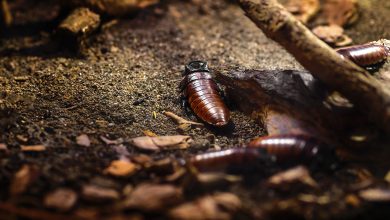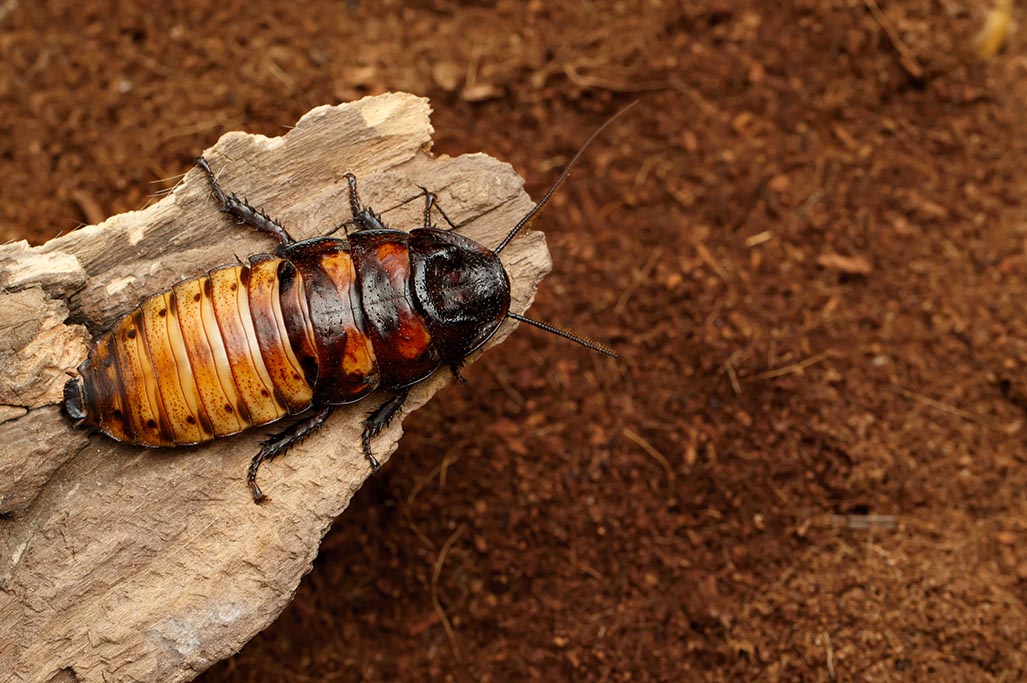
Madagascan hissing cockroaches (Gromphadorhina portentosa) are fascinating creatures that make popular pets due to their unique behaviours and relatively easy care requirements. These large, flightless insects are native to Madagascar and are often found in the humid rainforests of the island. In captivity, proper temperature and humidity management are crucial for their health and well-being. This article will explore the ideal temperature and humidity conditions for Madagascan hissing cockroaches, including their habitat needs, how to maintain these conditions, and the effects of improper environmental control.
Overview of Madagascan Hissing Cockroaches
Before delving into temperature and humidity requirements, it is essential to understand the natural habitat of Madagascan hissing cockroaches. These cockroaches thrive in tropical rainforests where they live on the forest floor, typically hiding under logs, leaf litter, and other debris. Their environment is characterised by high humidity levels and stable temperatures, which mimic the conditions needed for their optimal health in captivity.
Behaviour and Diet
Madagascan hissing cockroaches are social insects that communicate through hissing sounds produced by forcing air through tiny openings in their abdomen. This hissing behaviour is often used during mating displays and as a means of communication within their social groups. In the wild, they feed on decomposing organic matter, including leaves, fruits, and decaying wood. In captivity, a diet of fruits, vegetables, and commercial insect chow is recommended to meet their nutritional needs.
Ideal Temperature Range

Temperature Requirements
The ideal temperature range for Madagascan hissing cockroaches is between 24°C and 30°C (75°F to 86°F). Maintaining temperatures within this range is vital for their metabolic processes, growth, and overall health. Inadequate temperatures can lead to several health issues, including slowed growth, decreased reproductive success, and increased susceptibility to diseases.
Temperature Management
To ensure your cockroaches remain within the ideal temperature range, consider the following methods:
- Heating Elements: Use under-tank heaters or heat mats to provide consistent warmth. These should be placed on one side of the enclosure to create a temperature gradient, allowing the cockroaches to move to cooler areas if they become too warm.
- Thermostats: Employ thermostats to monitor and regulate temperatures. This device will help prevent overheating and ensure that the enclosure remains within the desired range.
- Monitoring Temperature: Regularly check the temperature using a reliable thermometer. Placing thermometers at different points within the enclosure can help identify any hotspots or cooler areas.
- Placement of the Enclosure: Position the cockroach enclosure away from direct sunlight and drafts. Direct sunlight can cause temperatures to rise too quickly, while drafts can lead to temperature fluctuations that can stress the cockroaches.
Effects of Temperature Fluctuations
Temperature fluctuations can have significant effects on Madagascan hissing cockroaches. Prolonged exposure to temperatures outside the ideal range can lead to:
- Stunted Growth: Inadequate warmth can slow down metabolic rates, resulting in stunted growth and delayed development.
- Decreased Reproduction: High or low temperatures can affect reproductive behaviour and success. Cockroaches kept in temperatures that are too low may fail to mate, while those in excessively high temperatures may experience a reduction in fertility.
- Increased Mortality: Extreme temperatures, whether too hot or too cold, can lead to increased mortality rates. Cockroaches exposed to temperatures below 15°C (59°F) or above 35°C (95°F) for extended periods are at risk of fatality.
Ideal Humidity Levels

Humidity Requirements
Madagascan hissing cockroaches thrive in humidity levels between 40% and 70%. High humidity is crucial for their health, as it aids in the molting process and helps prevent dehydration. Insufficient humidity can lead to shedding problems, where cockroaches may struggle to shed their exoskeletons, resulting in severe health issues.
Humidity Management
To maintain optimal humidity levels in the enclosure, consider the following techniques:
- Substrate Choice: Use a suitable substrate that retains moisture, such as coconut coir, peat moss, or a mixture of soil and leaf litter. These substrates will help maintain humidity levels while providing a natural environment for the cockroaches.
- Misting: Regularly mist the enclosure with water to maintain humidity. Using a spray bottle, lightly mist the substrate and the enclosure’s interior, ensuring it doesn’t become waterlogged.
- Water Sources: Provide shallow water dishes for the cockroaches to drink from. Ensure the dishes are not too deep, as this can pose a drowning risk. Refill these dishes regularly to keep the water fresh.
- Humidity Gauge: Use a hygrometer to monitor humidity levels within the enclosure. This tool will help you keep track of the moisture levels and allow for adjustments as needed.
Effects of Low Humidity
Low humidity can have detrimental effects on Madagascan hissing cockroaches, leading to:
- Dehydration: Insufficient humidity can cause dehydration, which is particularly dangerous during molting. Cockroaches may struggle to shed their exoskeletons properly, leading to incomplete molts.
- Respiratory Issues: Low humidity levels can dry out the respiratory system, making it difficult for cockroaches to breathe properly.
- Increased Stress: Cockroaches may experience increased stress in low humidity conditions, which can affect their overall health and behaviour.
Effects of High Humidity
Conversely, excessive humidity can also be harmful:
- Fungal Growth: High humidity can create an environment conducive to fungal growth, which can harm the cockroaches and lead to diseases.
- Bacterial Infections: Excess moisture can encourage bacterial growth, leading to potential health issues and infections.
- Difficulty Breathing: While hissing cockroaches can tolerate high humidity, excessive moisture can make it challenging for them to breathe comfortably, leading to respiratory distress.
Creating the Ideal Environment
To provide the best possible habitat for Madagascan hissing cockroaches, consider the following factors:
Enclosure Size and Setup
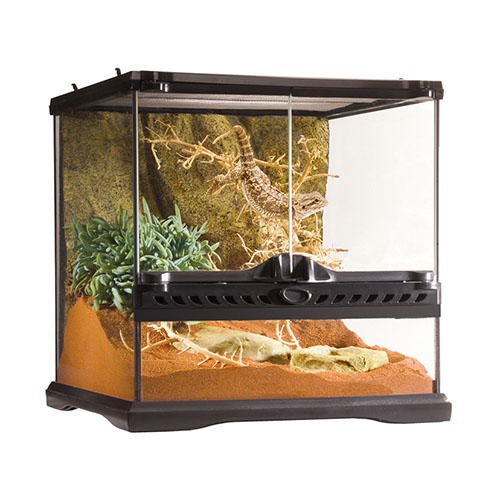
A spacious enclosure is vital for the well-being of Madagascan hissing cockroaches. A terrarium or glass enclosure with a minimum size of 30cm x 30cm x 30cm (12in x 12in x 12in) is recommended for a small group. The enclosure should include:
- Substrate: As mentioned earlier, use a moisture-retentive substrate to maintain humidity levels.
- Hiding Spots: Include various hiding spots, such as cork bark, cardboard tubes, and leaf litter, to provide shelter and mimic their natural habitat.
- Climbing Structures: Although not arboreal, these cockroaches enjoy climbing. Including branches or logs will enhance their environment and encourage natural behaviours.
Lighting
While Madagascan hissing cockroaches do not require special lighting, a natural day-night cycle can be beneficial. Consider using a low-intensity light on a timer to mimic natural light conditions. Ensure that any lighting does not increase the temperature of the enclosure excessively.
In conclusion, maintaining the right temperature and humidity levels is essential for the health and well-being of Madagascan hissing cockroaches. By providing an environment that closely mimics their natural habitat, you can ensure they thrive as captivating and entertaining pets. Regular monitoring and adjustment of temperature and humidity will go a long way in keeping these unique insects happy and healthy.
References
Robinson, W. H. (2019). Urban Pest Management: Cockroaches. Wiley-Blackwell.
Hargreaves, A. L. (2016). The Biology of Cockroaches. Springer.
Denny, M. (2020). Cockroach Biology and Behaviour. Cambridge University Press.
Schrempf, A., & Smith, C. (2015). Madagascan Hissing Cockroaches: Care and Breeding. Journal of Insect Husbandry, 12(3), 45-55.
Smith, T. E. (2018). Understanding Cockroach Husbandry: Temperature and Humidity Control. Insect Care Journal, 14(1), 20-29.