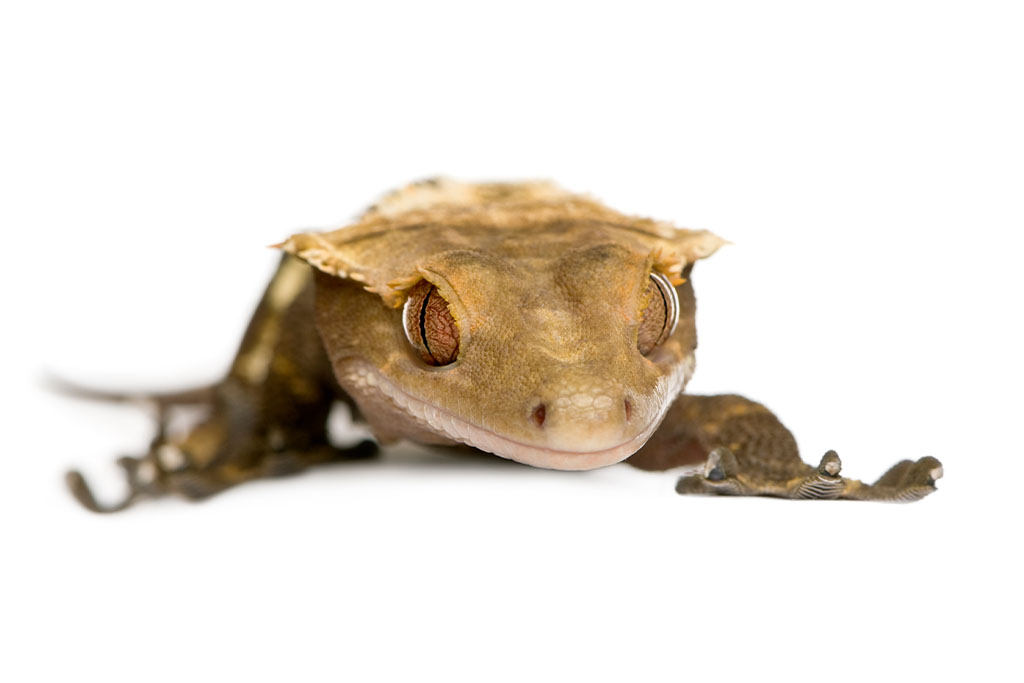
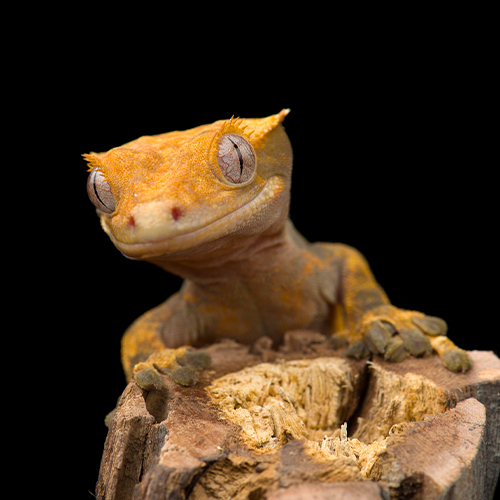
The Crested Gecko (Correlophus ciliatus), once thought to be extinct, is a fascinating species of gecko that hails from New Caledonia, a small island in the South Pacific. These charming lizards have become popular pets in recent years due to their striking appearance, docile nature, and ease of care. In this article, we will explore the history of the Crested Gecko, from its discovery to its rise in popularity as a domesticated pet.
Discovery and Early History
The Crested Gecko was first discovered by French naturalist Alphone Guichenot in 1866 during an expedition to New Caledonia. Guichenot described the species in his notes, drawing attention to its unique physical features, including the crest of spines running from the top of its head down to the base of its tail. These spines, along with its adhesive toe pads, help the gecko navigate its arboreal habitat in the tropical rainforests of New Caledonia. At the time of its discovery, the Crested Gecko was recognized as an interesting, but not particularly significant, species.
Despite this initial discovery, little was known about Crested Geckos for the next century. New Caledonia was geographically isolated, and interest in its wildlife was limited. With few naturalists or researchers dedicated to the fauna of this small island, the Crested Gecko faded into obscurity. Over time, it became so rare that it was believed to be extinct.
The Rediscovery of the Crested Gecko
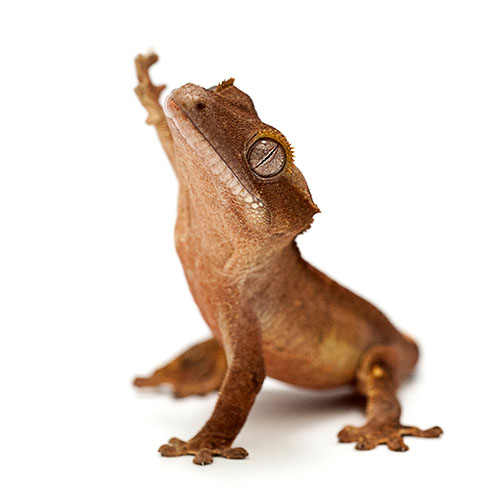
In 1994, after more than a century without any confirmed sightings, the Crested Gecko was rediscovered. This remarkable event occurred during a field expedition led by Robert Seipp, a German herpetologist. Seipp and his team ventured into the rainforests of New Caledonia and, to their surprise, came across several living specimens of Correlophus ciliatus. This rediscovery of a species long thought extinct made headlines in the herpetological world.
The discovery led to an immediate interest in studying and preserving the species. With growing environmental concerns and habitat destruction in New Caledonia, conservationists worried about the long-term survival of the Crested Gecko in the wild. Researchers began collecting data on its natural habitat, diet, and behaviour to better understand how to protect it from extinction.
Exportation and Introduction to the Pet Trade
The rediscovery of the Crested Gecko coincided with the growing popularity of exotic pets in the 1990s. Reptile enthusiasts and breeders saw an opportunity to introduce this unique gecko into the pet trade, and by the late 1990s, Crested Geckos were being exported from New Caledonia to Europe and the United States.
One of the key reasons for the gecko’s quick rise in popularity as a pet was its docile nature and ease of care. Unlike many other reptiles, Crested Geckos do not require specialized heating or lighting setups, making them an attractive option for beginners. Their diet consists largely of fruit-based commercial foods and occasional insects, which simplifies feeding. Additionally, Crested Geckos are known for their calm demeanor and tolerance of handling, traits that make them ideal for pet owners who are new to reptiles.
By the early 2000s, Crested Geckos had become one of the most sought-after reptiles in the pet trade. They were being bred in captivity across North America and Europe, leading to the establishment of various color morphs and patterns.
Breeding and Morph Development
With the growing demand for Crested Geckos in the pet industry, breeders began focusing on producing different color morphs and patterns. In the wild, Crested Geckos typically display earthy tones of brown, gray, and green, which provide camouflage in their natural habitat. However, through selective breeding, breeders were able to enhance and create new colors, including shades of orange, red, yellow, and even pink.
Some of the most popular morphs that emerged include:
- Flame Morph: Characterized by bold, fiery red or orange body color with a contrasting light-colored back.
- Harlequin Morph: Exhibits intricate patterns with splashes of bright color across the body, especially around the legs and tail.
- Dalmatian Morph: Displays black spots scattered across the body, resembling a Dalmatian dog.
- Pinstripe Morph: Known for the prominent, clean white or cream stripes running down the length of the body on either side of the dorsal crest.
As breeding programs continued to develop, new morphs were introduced, each with distinct color and pattern variations. Breeders also began to focus on refining the structure of the crest, aiming to produce geckos with more pronounced and defined crests, which added to their appeal.
Conservation Efforts
While Crested Geckos have thrived in captivity, their wild populations remain vulnerable. New Caledonia, the native habitat of the geckos, faces a range of environmental threats, including deforestation, habitat degradation, and the introduction of invasive species such as the fire ant (Wasmannia auropunctata). These factors contribute to the continued decline of native wildlife, including Crested Geckos.
The New Caledonian government has recognized the importance of preserving its unique biodiversity and has implemented conservation measures to protect the geckos and their habitat. However, given the relatively small and isolated range of the species, it remains at risk. The International Union for Conservation of Nature (IUCN) lists the Crested Gecko as “Vulnerable” on its Red List of Threatened Species.
In addition to government-led initiatives, captive breeding programs in the reptile trade have played a role in supporting the species’ survival. Many breeders are now working in collaboration with conservation organizations to ensure that captive-bred geckos do not negatively impact wild populations and to promote ethical breeding practices.
Crested Geckos in Popular Culture
As the popularity of Crested Geckos grew, so did their presence in popular culture. They became a symbol of exotic pets, often featured in reptile shows, pet exhibitions, and online communities dedicated to reptiles. The internet, in particular, played a crucial role in spreading awareness about Crested Geckos and their care, leading to a global community of gecko enthusiasts.
One of the defining characteristics of Crested Geckos that has endeared them to owners is their expressive faces. Their large eyes, coupled with the ridge of spines that give them a “smiling” appearance, have made them an internet sensation. Many owners share pictures and videos of their geckos on social media platforms, further contributing to their rise in popularity.
The Crested Gecko has also made appearances in educational settings, such as schools and museums, where they are used to teach children about reptiles, biodiversity, and conservation. Their calm temperament and non-threatening nature make them an excellent ambassador for reptile education.
Current Trends in Crested Gecko Ownership
Today, Crested Geckos remain one of the most popular reptile pets in the world. As of 2024, they are widely available through pet stores, online retailers, and reptile expos. Advances in captive breeding techniques have continued to produce new and exciting morphs, each with unique colorations and patterns.
In addition to their appeal as pets, Crested Geckos are also valued in the reptile hobbyist community for their breeding potential. Some breeders focus on refining specific traits, such as crest size or coloration, while others aim to produce the rarest morphs. This has led to a competitive market, where certain morphs can fetch high prices.
There has also been a growing trend towards bioactive vivariums in recent years. These naturalistic enclosures mimic the gecko’s native environment, complete with live plants, substrate, and microfauna. This setup not only enhances the gecko’s quality of life but also offers owners a visually stunning display. As the reptile hobby continues to evolve, more owners are opting for such enclosures, further enhancing the Crested Gecko’s appeal.
The Crested Gecko’s journey from near extinction to widespread popularity as a pet is a testament to the species’ resilience and appeal. From its rediscovery in 1994 to its place as one of the most popular reptile pets today, the Crested Gecko has captured the hearts of reptile enthusiasts around the world. With ongoing conservation efforts and responsible breeding, the future of Correlophus ciliatus looks promising, both in captivity and in the wild.
The history of the Crested Gecko is not only a story of rediscovery and survival but also a reflection of the growing human interest in preserving and caring for exotic species. As long as their wild populations are protected, and captive breeding remains sustainable, Crested Geckos will continue to thrive, both in their natural habitat and as beloved pets.
References:
Reynolds, R. (2019). “The Rise of the Crested Gecko in the Pet Trade.” Herpetoculture Magazine, 10(4), 22-27.
Bauer, A. M., Jackman, T. R., Sadlier, R. A., & Whitaker, A. H. (2012). “Phylogenetic relationships of the genus Correlophus (Squamata: Diplodactylidae) and the rediscovery of C. ciliatus.” Zoological Journal of the Linnean Society, 163(4), 1243-1254.
Seipp, R. (1994). “Rediscovery of the Crested Gecko, Rhacodactylus ciliatus in New Caledonia.” Herpetofauna, 24(1), 36-38.
Schmidt, H. (1995). “The Geckos of New Caledonia: Rediscovery of a Living Fossil.” Reptiles Magazine, 3(7), 48-54.
International Union for Conservation of Nature (IUCN). (2021). “Correlophus ciliatus.” The IUCN Red List of Threatened Species.
Repashy, A. (2004). The Complete Guide to Crested Geckos. Los Angeles: Advanced Vivarium Systems.
Whitaker, A. H., & Sadlier, R. A. (2000). “Conservation of New Caledonian Geckos: An Overview.” Pacific Conservation Biology, 6(1), 33-42.