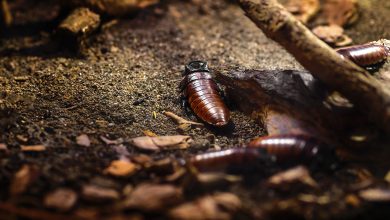
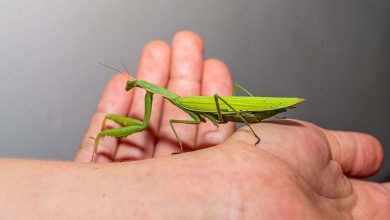
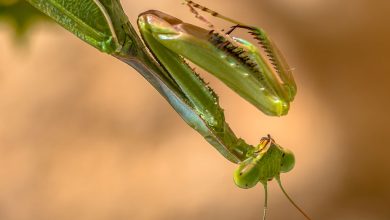
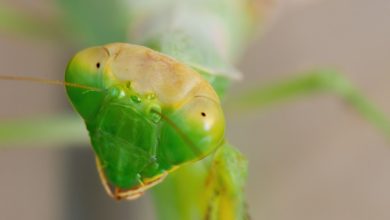
The praying mantis is an intriguing insect known for its unique appearance, predatory behaviour, and fascinating life cycle. For enthusiasts and hobbyists who choose to keep mantids as pets or for educational purposes, understanding the specific temperature and humidity requirements is vital to ensure their health and wellbeing. This article explores the ideal temperature and humidity conditions for mantids, as well as practical tips for maintaining these environments.
Understanding Mantis Habitat Needs
Mantis species are found in various habitats across the globe, from rainforests to deserts. Each species may have slightly different requirements based on their native environments. However, the general guidelines for temperature and humidity remain consistent across most mantis species.
Temperature Requirements
The temperature is a critical factor affecting the behaviour, metabolism, and overall health of mantids. As ectothermic creatures, mantids rely on their environment to regulate their body temperature. Here’s a breakdown of the ideal temperature ranges:
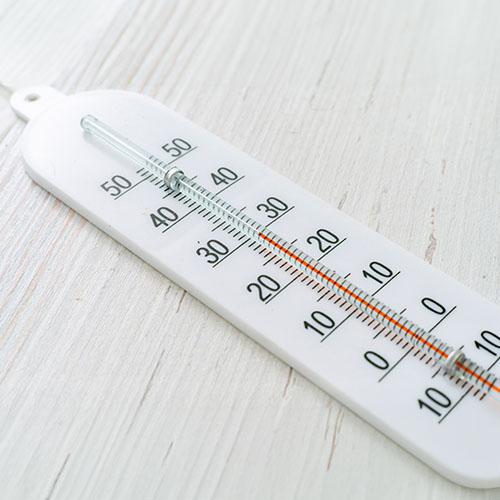
Ideal Temperature Range
- Daytime Temperatures: Most mantids thrive in temperatures between 24°C to 30°C (75°F to 86°F) during the day. This range mimics the warm climates many mantids are native to. Some tropical species may prefer even warmer conditions, up to 32°C (90°F).
- Nighttime Temperatures: Nighttime temperatures can drop to around 18°C to 22°C (64°F to 72°F). A slight decrease in temperature at night helps simulate a natural day-night cycle and encourages the mantid to rest.
Maintaining the proper temperature is crucial for a mantid’s digestive efficiency and activity levels. If temperatures are too low, mantids may become sluggish, refuse food, or even experience metabolic issues. Conversely, excessively high temperatures can lead to stress, dehydration, and even death.
Heating Methods
When keeping mantids, it’s essential to provide consistent heating, particularly in an enclosed habitat. Here are some popular methods to achieve the desired temperatures:
- Heat Mats: Placing a heat mat underneath or on the side of the enclosure can create a warm microclimate. Ensure the mat is specifically designed for reptiles or amphibians, as these are safe for long-term use.
- Heat Lamps: A basking lamp can provide direct heat and light. Position the lamp at one end of the enclosure to create a temperature gradient, allowing the mantid to choose its preferred spot.
- Thermostats: Using a thermostat with your heating equipment can help maintain stable temperatures and prevent overheating.
- Room Temperature: If the room where the mantids are kept is naturally warm, additional heating may not be necessary. Always monitor the temperature using a reliable thermometer.
Humidity Requirements
Humidity is another crucial factor for mantid care. The right humidity level helps with molting, hydration, and overall health. Here are the general guidelines for maintaining humidity:
Ideal Humidity Range
- Humidity Levels: Most mantids prefer humidity levels between 40% and 70%. However, some tropical species may require higher humidity, reaching up to 80% or more.
Maintaining the correct humidity is particularly vital during molting, a process in which mantids shed their exoskeletons. Insufficient humidity can lead to incomplete or problematic molts, which may be fatal.
Measuring Humidity
Using a hygrometer, you can easily monitor the humidity levels within the enclosure. Place the hygrometer at the centre of the habitat for an accurate reading. This will help you adjust humidity levels as needed.
Maintaining Humidity Levels
- Misting: Regularly misting the enclosure with water is an effective way to increase humidity. Misting should be done in the morning and evening to maintain consistent moisture levels. Avoid over-misting, as this can lead to mould growth and unhealthy conditions.
- Water Dish: Including a shallow water dish can help maintain humidity levels. Ensure that the dish is not too deep, as mantids can drown. Change the water daily to prevent stagnation.
- Live Plants: Incorporating live plants into the habitat can help retain humidity. Plants naturally release moisture into the air through transpiration, creating a more stable environment.
- Substrate: The type of substrate you use can also affect humidity levels. Moist substrates, such as coconut coir or sphagnum moss, can help retain moisture within the enclosure.
Seasonal Considerations
Mantis care may require adjustments based on seasonal changes. For example, during winter months, indoor heating may cause the air to become drier, necessitating increased humidity levels through misting or the addition of a humidifier. Conversely, during summer months, outdoor heat may cause overheating, requiring cooling measures to protect the mantids.
Common Issues Related to Temperature and Humidity
Maintaining the ideal temperature and humidity levels can prevent a variety of health issues in mantids. Here are some common problems associated with improper care:
Dehydration: Insufficient humidity can lead to dehydration, causing lethargy and loss of appetite. In severe cases, dehydration can be fatal.
Moulting Problems: Low humidity during the moulting process can result in incomplete moults, leading to retained exoskeletons that can impair movement and function.
Stress: Extreme temperatures, either too high or too low, can cause stress in mantids, resulting in abnormal behaviour, refusal to eat, and increased vulnerability to diseases.
Increased Disease Risk: High humidity levels without proper ventilation can promote mould growth and the proliferation of harmful bacteria, leading to respiratory infections and other health issues.
Caring for mantids requires a comprehensive understanding of their temperature and humidity needs. By providing the right environmental conditions, enthusiasts can ensure the health and wellbeing of their mantids, allowing them to thrive and exhibit their natural behaviours. Regular monitoring of temperature and humidity, along with adjustments based on seasonal changes, is crucial for maintaining an optimal habitat.
Whether you are a seasoned mantis keeper or a beginner, understanding these fundamental aspects of care will enhance your experience and foster a successful relationship with these fascinating insects.
References
Reptile Forums UK. (n.d.). Mantis Care and Keeping: Tips and Tricks. reptileforums.co.uk.
Hennemann, F. X., & Vickery, V. (2009). The Praying Mantids: Their Care and Breeding. Reptiles and Amphibians Magazine.
Cumming, R. (2016). Keeping Mantids: A Guide for Beginners. Insecta.
Smith, C. (2021). Temperature and Humidity Management in Mantis Care. The Invertebrate Keeper.
Mantis Place. (n.d.). Mantis Care: Environmental Requirements. mantisplace.com.
Exotic Pets. (2020). Understanding the Needs of Mantids. Exotic Pet Care Journal.
Ghosh, A. (2018). A Guide to Raising Praying Mantises. Insect Enthusiast Magazine.
Jones, D. (2017). The Importance of Humidity in Insect Care. Insect Care Journal.
Mantid World. (2022). Optimal Conditions for Keeping Mantids. mantidworld.com.
Allen, R. (2015). Environmental Enrichment for Mantids. Journal of Invertebrate Care.