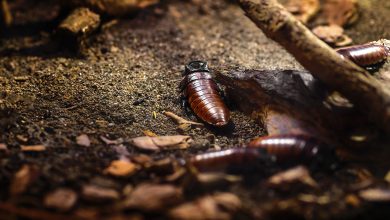
Madagascan hissing cockroaches (Gromphadorhina portentosa) are one of the largest and most fascinating cockroach species, native to Madagascar. These insects are not only captivating due to their size and unique hissing sound but also serve as excellent pets for enthusiasts of all ages. They thrive in a well-maintained vivarium that mimics their natural habitat. A crucial aspect of this environment is the choice of plants, which provide essential benefits, including humidity regulation, hiding spots, and a more natural aesthetic. This article explores the best plants for Madagascan hissing cockroaches, focusing on their care requirements, compatibility with the cockroach’s needs, and maintenance tips.
Understanding the Natural Habitat
Before diving into the specifics of plant selection, it’s important to understand the natural habitat of Madagascan hissing cockroaches. These insects inhabit tropical rainforests, where they live on the forest floor in leaf litter, under logs, and within the decaying vegetation. Their natural environment is humid and warm, with a diverse range of flora providing shelter and food. Replicating these conditions in captivity is vital for their health and well-being.
Benefits of Plants in a Cockroach Habitat
Incorporating plants into a vivarium for Madagascan hissing cockroaches offers several benefits:

Humidity Regulation: Plants help maintain humidity levels, which is crucial for the health of the cockroaches. A humid environment prevents dehydration and supports the shedding process.
Natural Hiding Spots: Plants provide shelter for cockroaches, allowing them to hide from potential threats and feel secure in their environment.
Aesthetic Appeal: A well-planted vivarium creates a visually appealing habitat, making it more enjoyable for the owner and providing a more enriching experience for the cockroaches.
Microhabitats: Different plants can create varied microhabitats, encouraging natural behaviours such as climbing, foraging, and burrowing.
Best Plants for Madagascan Hissing Cockroaches
When selecting plants for a Madagascan hissing cockroach habitat, consider their humidity, temperature, and light requirements. Here are some of the best plants to include in your vivarium:
Pothos (Epipremnum aureum)
Pothos is an ideal choice for cockroach habitats due to its hardy nature and adaptability. It thrives in various conditions and can tolerate low light, making it suitable for enclosed vivariums.
- Care Requirements: Prefers indirect sunlight; water when the top inch of soil feels dry.
- Benefits: Pothos helps improve air quality by removing toxins and provides ample hiding spots for cockroaches.
Spider Plant (Chlorophytum comosum)
Spider plants are resilient and can grow in diverse conditions. They feature long, arching leaves that create a lush environment for hissing cockroaches.
- Care Requirements: Thrives in bright, indirect light but can tolerate lower light levels; water when the soil dries out.
- Benefits: Their dense foliage provides excellent cover for cockroaches, promoting their natural behaviours.
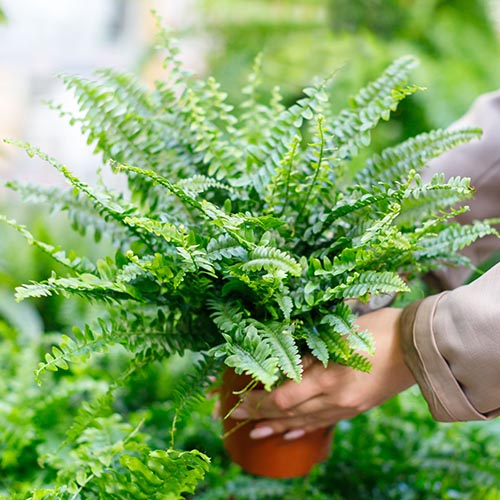
Ferns (Various Species)
Ferns, such as the Boston fern (Nephrolepis exaltata) and maidenhair fern (Adiantum spp.), are excellent choices for humid environments. They thrive in moist conditions, making them ideal for a cockroach habitat.
- Care Requirements: Prefer indirect light and high humidity; keep the soil consistently moist.
- Benefits: Ferns offer dense foliage for hiding and climbing, essential for the well-being of Madagascan hissing cockroaches.
Bamboo (Bambusoideae)
Bamboo adds a tropical feel to the habitat while providing vertical space for cockroaches to climb and explore. Ensure you choose a smaller species or maintain control over its growth.
- Care Requirements: Thrives in bright light but can tolerate indirect light; keep the soil moist but well-drained.
- Benefits: Bamboo offers a unique climbing structure and natural aesthetics to the vivarium.
Peace Lily (Spathiphyllum spp.)
The peace lily is a beautiful plant with dark green leaves and white flowers. It’s relatively easy to care for and adds a touch of elegance to the habitat.
- Care Requirements: Prefers low to medium light; keep the soil moist but not soggy.
- Benefits: The peace lily helps improve air quality and offers a variety of hiding spots.
African Violet (Saintpaulia)
African violets are charming flowering plants that can brighten the vivarium. They are small and manageable, making them a suitable option for confined spaces.
- Care Requirements: Prefers bright, indirect light; keep the soil slightly moist.
- Benefits: They provide aesthetic appeal and some cover for cockroaches.
Moss (Various Species)
Moss is an excellent addition to a cockroach habitat, as it thrives in humid environments and can help maintain moisture levels in the substrate.

- Care Requirements: Requires consistent moisture and indirect light; avoid direct sunlight.
- Benefits: Moss offers a soft substrate for cockroaches to walk on and helps retain humidity.
Snake Plant (Sansevieria trifasciata)
Snake plants are hardy and can survive in low light and dry conditions, making them a great addition to a cockroach habitat.
- Care Requirements: Thrives in indirect light; allow the soil to dry out between waterings.
- Benefits: They provide hiding spots and contribute to the overall greenery of the habitat.
Setting Up the enclosure
When setting up the enclosure for your Madagascan hissing cockroaches, consider the following tips:
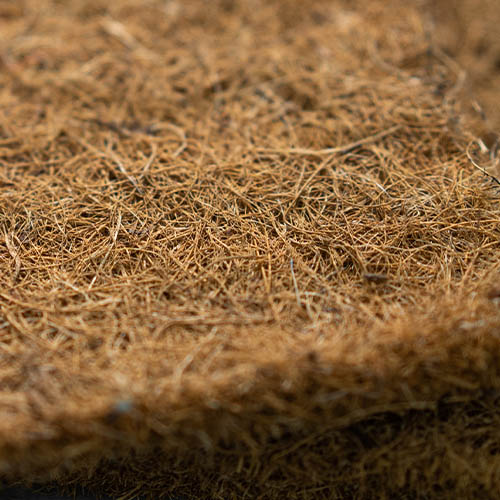
Substrate: Use a mixture of invertebrate soil, coconut coir, and leaf litter to create a natural environment. This mixture helps retain moisture and supports plant growth.
Plant Placement: Arrange plants to create layers and hiding spots. Taller plants should be placed towards the back, while shorter ones can be positioned in the front for easy access.
Lighting: Use a low-wattage, full-spectrum LED light to provide the necessary light for plant growth. Ensure the light is on for around 10-12 hours a day to simulate a natural day-night cycle.
Humidity and Temperature: Maintain humidity levels between 60-80% and temperatures between 24-30°C (75-86°F). Regular misting and a water dish can help maintain these conditions.
Regular Maintenance: Monitor plant health and remove any dead or decaying leaves. Trim plants as needed to prevent overcrowding and ensure good airflow.
Creating a thriving habitat for Madagascan hissing cockroaches involves more than just providing food and shelter. The right plants can significantly enhance the living conditions for these fascinating creatures, promoting their health and well-being. By incorporating a variety of suitable plants, you can create a beautiful, functional vivarium that mimics their natural environment.
References
Wright, A. (2020). Creating a Bioactive Habitat for Cockroaches. Invertebrate Care and Maintenance, 5(1), 12-24.
Kelsey, D. J. (2015). Insects and Their Habitats: The Hissing Cockroach. Insects of Madagascar.
Kram, C. (2021). The Importance of Plants in Cockroach Habitats. Journal of Entomological Research, 48(3), 145-158.
McCay, J. (2019). Caring for Hissing Cockroaches: An In-Depth Guide. Exotic Pets Publishing.
Smith, J. R. (2018). Tropical Plant Selection for Invertebrate Habitats. The Terrarium Journal, 33(2), 56-62.